Summary
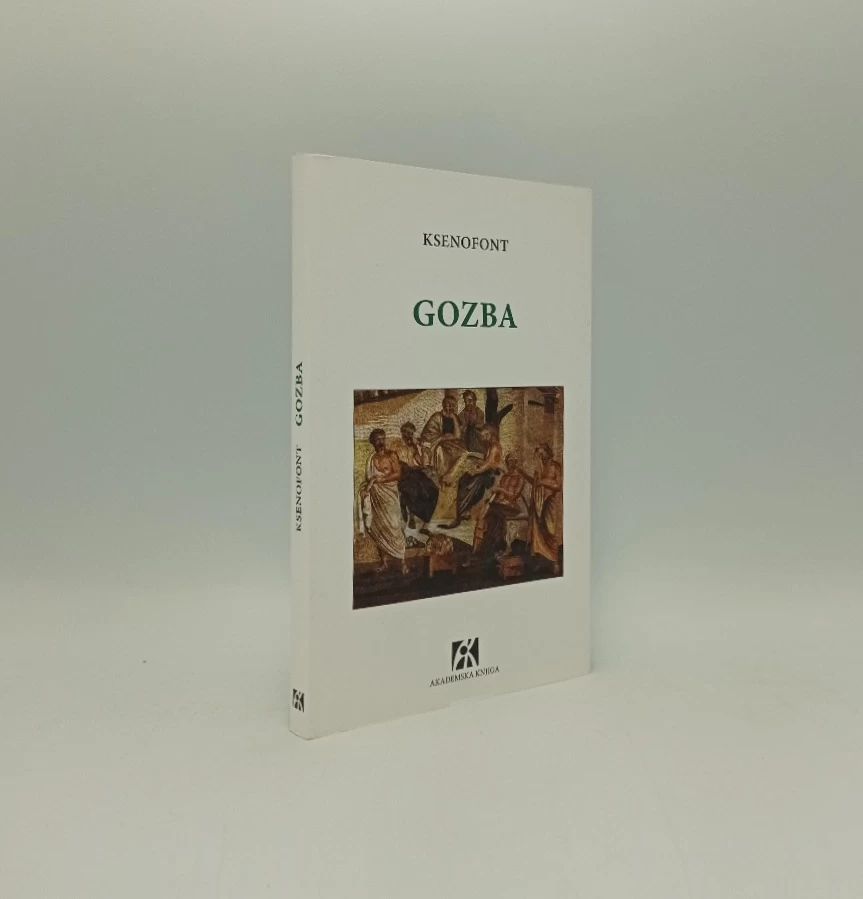
Xenophon: The Feast
Xenophon (around 430 BC) was the oldest and most faithful student of Socrates and with his work he tried to shed light on the practical and moral side of his teacher's philosophy. In "The Feast" Xenophon describes the conversations of the participants at a feast organized by the rich Athenian aristocrat Callias. The conversation is initially casual. Then, in a short speech, everyone explains what they are especially proud of and why. For example, Callias with wisdom, Nicerats with knowledge, Critobulus with beauty, Charmides with poverty, etc. Socrates' exposition on love represents a larger rounded whole. He distinguishes between physical love, unworthy of noble companionship, and soulful, ethically higher love, which encourages worthy and noble deeds. The representation with the theme of the wedding of Dionysus and Ariadne is especially valuable, because there are few testimonies from antiquity about the appearance of such representations. Xenophon's "Feast" is an important testimony about Socrates' philosophical circle, about his dialectical skills and attitude towards students and friends.
Biblos Newsletter
New titles, special copies and quiet recommendations from the antiquarian bookshop.