
Meša Selimović, a giant of Bosnian literature

Bosnia-Herzegovina writer Mehmed Meša Selimović was born in Tuzla on April 26, 1910, and died in Belgrade on July 11, 1982.
He was raised in a traditional Muslim family, but while growing up, he was influenced by communist ideas advocated by his brothers and sisters.
In his hometown, Selimović completed elementary school and high school, and he began to develop his love for reading very early, even as a teenager.
On one occasion, Meša stated that the novel Crime and Punishment turned his whole life around and had a great influence on him as a writer. After Dostojevski, Selimović believed, there is no other writer of that rank.
The great Russian writer obviously influenced the young Meša and his choice of career because after high school he enrolled and completed the Serbo-Croatian language and Yugoslav literature at the Faculty of Philosophy in Belgrade.
He joined the National Liberation Movement in 1943, and after the war he worked in cultural, educational and publishing institutions. He was also a professor at the Faculty of Philosophy in Sarajevo, where he taught romanticism.
In the 1970s, Selimović moved to Belgrade.
He married twice. The first time with Desa Đorđić, and the second with Daroslav Darko Božić.
Desa accused him of infidelity and an extramarital relationship with the "bourgeois" Darko, which, due to the strict and rigid moral principles of the time, cost him expulsion from the Party.
He has two daughters from two marriages.
Meša Selimović, Dervish and deathLiterary style
The first stories by Selimović deal with war themes with an emphasis on the analysis of the internal states, dilemmas and traumas of the characters.
The writer deepens a similar psychological characterization of the characters in notable novels:
- Silences
- Mog and Moonlight
- Fortress
- Island
- Circle
Critics consider the best literary work to be Meša Selimović's novel Dervish and Death.
In his literary technique, Selimović often used modernist procedures:
- Inner monologue
- Lyric meditation
- Layered symbolism
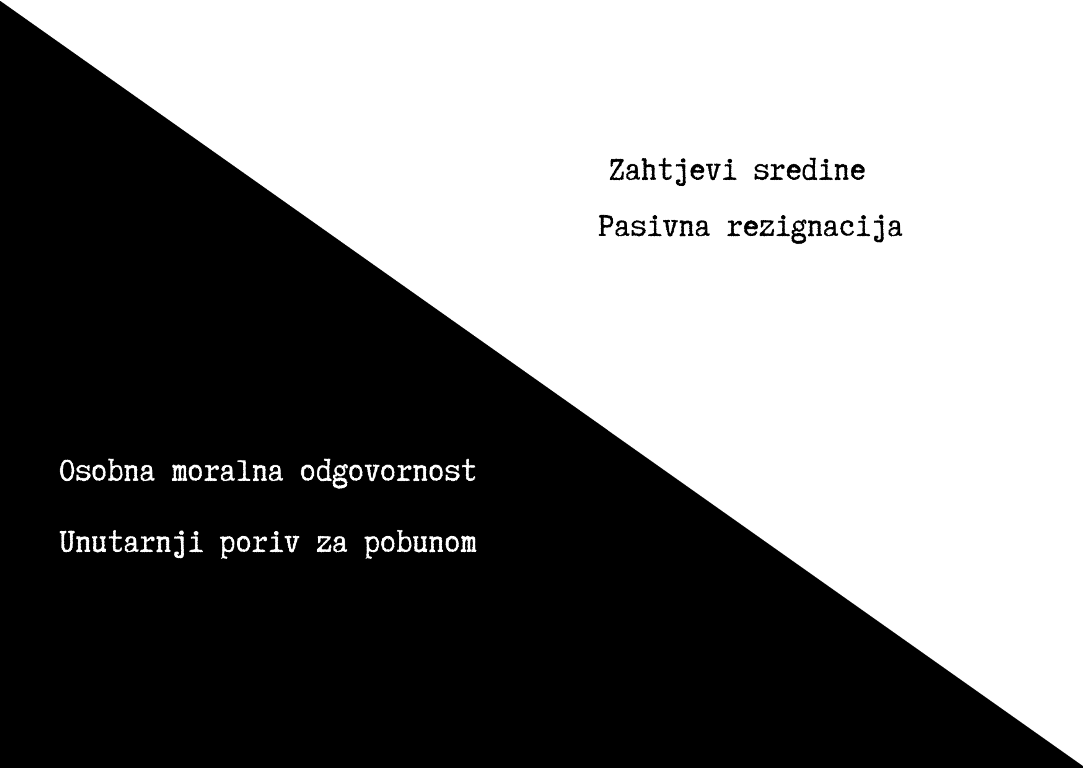
In his novels, the writer often emphasized the insoluble contradictions between personal moral responsibility and the demands of the environment and passive resignation and the inner urge to rebel.
Photograph: Biblos
In his best works, Meša Selimović deals with the dialogue between Islamic and Christian culture.
Also, often in the center of attention is a dramatically expressed attitude towards historical events that bear him and that cannot be singled out. resist.
Literary works of M eše Selimović
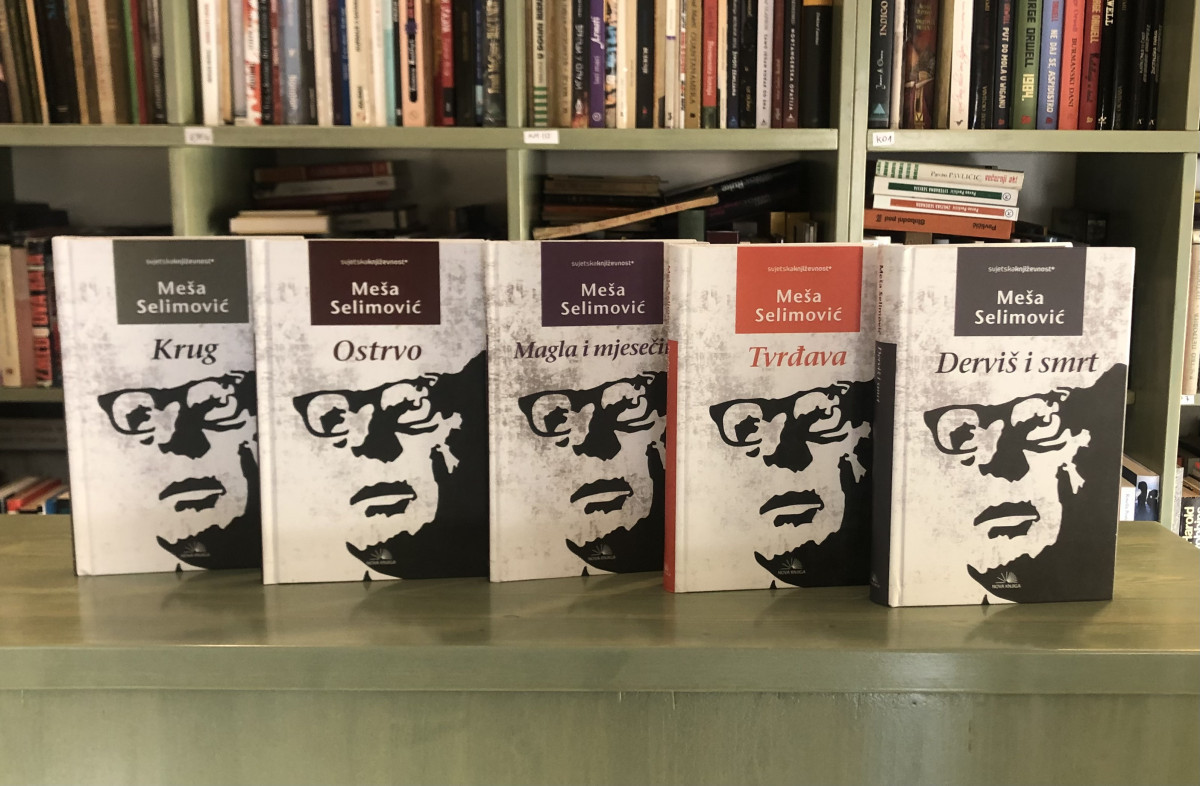
Photo: Biblos
Dervish and death
"I have nothing but the belief that I am honorable, if I lose that too, I will be a ruin." death
The most significant work in the literary work of Meša Selimović. It is a character novel because from beginning to end the character of Sheikh Ahmed Nurudin is in the center.
The novel takes place during the reign of the Ottoman Empire in Bosnia. The main character, Ahmed Nurudin, tries to save his brother who was unjustly imprisoned.
He does everything to save him; he goes to the qadi, muslim and mufti, but without success. When he learns that his brother has been killed, he prepares a rebellion.
In addition to psychological issues, the novel also expresses many philosophical questions related to human life, society and politics.
Dervish and Death is a novel with a contemporary theme in which the problem of the individual's conflict with the times in which he lives appears.
The fortress is man and death. The action of the novel takes place in the 17th century, immediately after the Battle of Hočin, in the Muslim environment of Sarajevo.
The main character is Ahmet Šabo, a soldier who after the war starts a new life without his family who died of a vicious disease. Through the character of Šabo, Meša Selimović showed what can happen to any ordinary mortal.
Driven by love and the desire to find a way to other people, Ahmet is cheerful and morally pure. His guiding thought, emphasized by Meša Selimović, is to remain untainted in a dirty world.
Mog and moonlight
The theme of the novel Fog and moonlight is the Second World War. It is a story about a young village couple who take care of a wounded partisan soldier in their home.
Throughout the entire novel, the memory of two characters is told, Ljuba and the young man talk about themselves, she about the young man she loved, and he about his childhood in the city, the arrival of the occupiers and his departure to the partisans. Both mine and yours.”
; From the novel Fog and moonlight
meaning.It is an existential drama that talks about loneliness in a couple and within the family, about the devastating feeling of abandonment, unlovedness and exclusion.
"How imperfect people are. In everything. They cannot live alone, they exist only as one half. They look for the other in a woman, in another person, in a lie. I need that other half, and I know nothing about it."
From the novel Island
The Circle
The novel Krug is the last work of the great Bosnian writer who was published posthumously in 1983.
In that novel, Meša Selimović returns to his most important existential theme; is man's life predetermined by fate and is man's freedom the result of various social or metaphysical interdependencies.
Although it was written during the 70s of the 20th century, the topics it deals with have not ceased to be topical, in fact, social injustices remain a key ethical issue to this day.
Details from Meša's life Selimović
1. The greatest personal tragedy, the murder of his brother, he transferred two decades later in the multiple award-winning novel "Dervish and Death".
2. He met his second wife Darka by chance, in his office.
3. Meša Selimović was very critical of himself and considered himself a bad speaker.
4. He was a fan of football and fast cars.
5. His grandson said that Meša died while watching the match, the final of the World Cup in 1982.
6. He didn't prevent his daughters from writing, but he didn't excessively support them either.
7. In a television show, he cried with Sevdalinka performed by Josipa Lisac.
Prepared by: Marijana Matijević
Biblos Newsletter
For book lovers who enjoy finding the rare
New titles, special copies and quiet recommendations from the antiquarian bookshop.