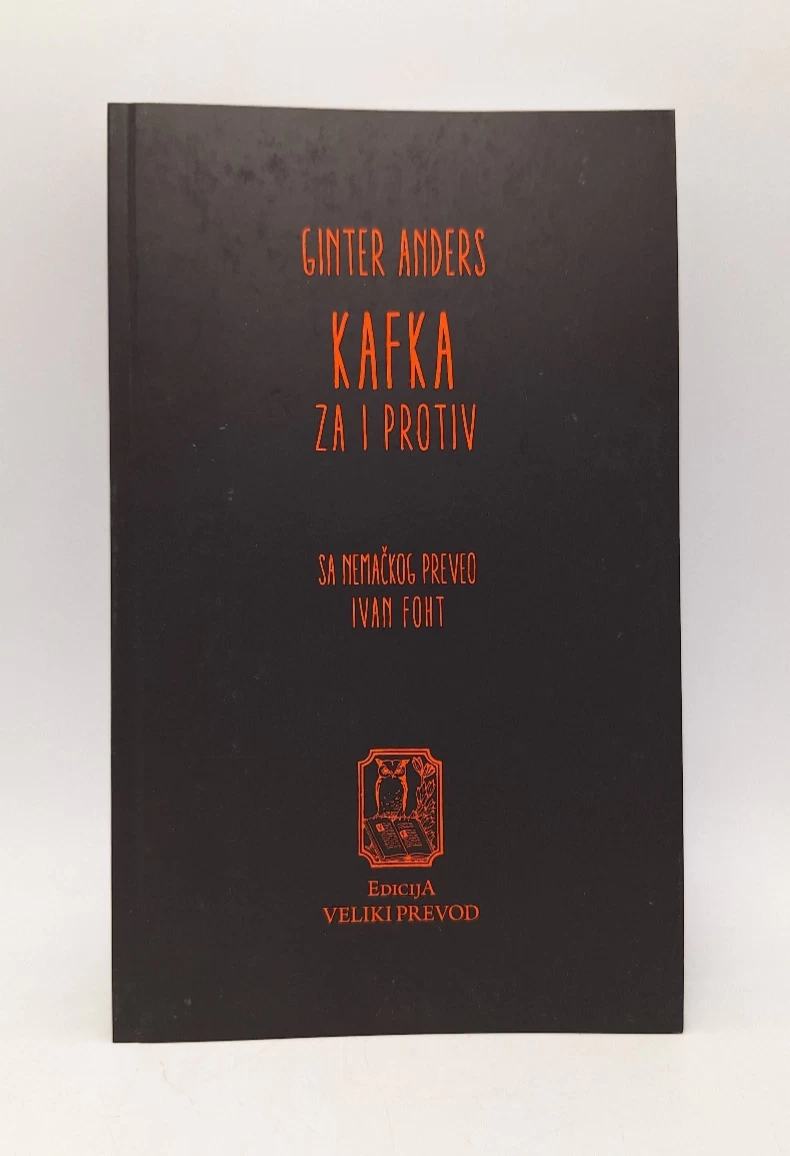

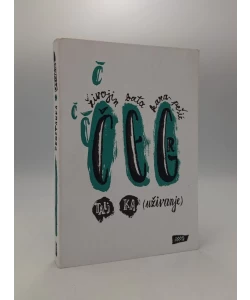
Anders Günther: Kafka - za i protiv (osnovi spora)
€ 12,00
Free delivery in Croatia for orders over EUR 70
Basic information
- Author: Anders Günther
- Publisher: Kiša
- Availability: Available
- Condition: Nova knjiga
- Code: 75824
Shipping options
GLS Croatia
5€
Delivery
0€
Personal collection at the antique store
0€
GLS parcel machine
3€
Payment methods
Pay on pickup
CorvusPay
By general payment / Virman / Internet banking
Cash on delivery
Kafka - za i protiv (osnovi spora)
Anders Günther
Summary
Günther Anders: Kafka - for and against (basis of the dispute)
"The monk Maximus Planudes, who in the 15th century published fables that circulated under the name of Aesop, says that Aesop's face was monstrously ugly, so deformed that it was not even recognizable. Aesop himself could not have found a better fable than a fable: because the truth of a fable comes from disfigurement.
This brings us to Kafka. The appearance of Kafka's world seems shifted. But Kafka shifts the apparently normal appearance of our insane world. But, he treats this insane appearance as something completely normal, and thus describes the very fact that the insane world is valid."
Additional information
- Author: Anders Günther
- Publisher: Kiša
- Year of publication:2015
- Place of publication:Novi Sad
- Pages:220
- Dimensions:11x18 cm
- Script:Latinica
- Condition:Nova knjiga
- Binding:Meki
You may also like




Recently viewed








Biblos Newsletter
For book lovers who enjoy finding the rare
New titles, special copies and quiet recommendations from the antiquarian bookshop.