
Summary
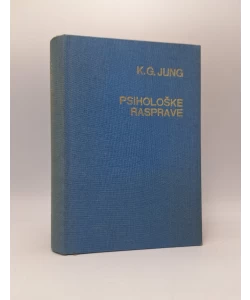
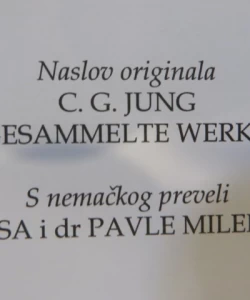
Carl Gustav Jung: Dynamics of the Unconscious
In this influential work of his, Jung makes a dramatic break with the psychoanalytic tradition embodied in the work of Freud. Instead of focusing on psychopathology and its symptoms, the Swiss psychiatrist studied dreams, mythology and literature in order to find universal patterns of the human psyche.
Jung is in search of the symbolic meaning and meaning hidden behind the symptoms, and examines the fantasies of the patient whose vivid mental images helped Jung to redefine libido as a psychic energy that grows out of the unconscious and manifests itself through symbolic form. This work represents an important step in Jung's development of the theory of the collective unconscious and the archetypes that constitute it.
Biblos Newsletter
New titles, special copies and quiet recommendations from the antiquarian bookshop.