
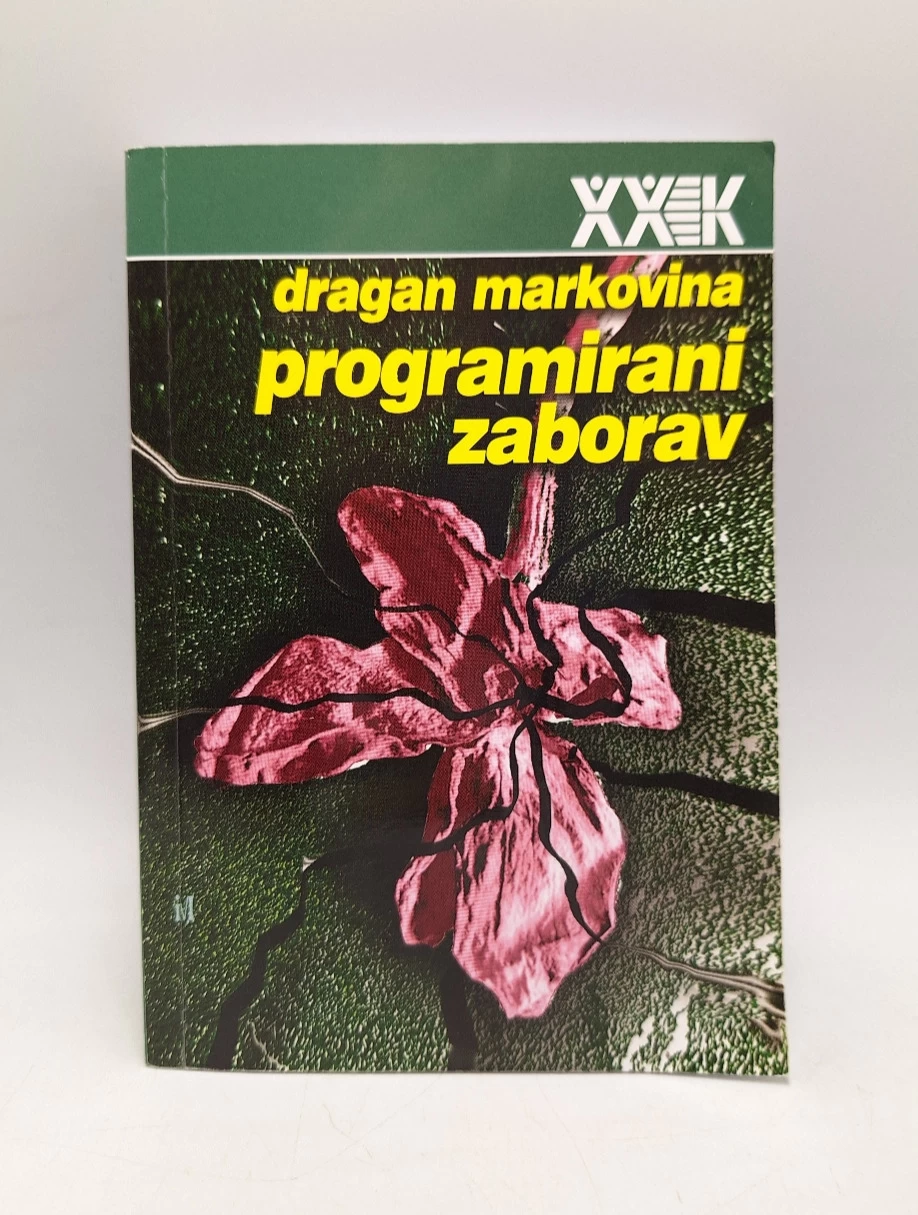
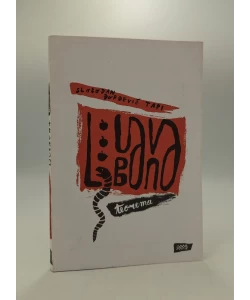
Programirani zaborav
Basic information
- Author: Markovina Dragan
- Publisher: Biblioteka XX vek
- Availability: Available
- Condition: New book
- Code: 78759
Shipping options
Payment methods
Explore more
Programirani zaborav
Markovina Dragan
Summary
Dragan Markovina: Programmed Oblivion
"Now, finally, after this much-needed introduction, I can write that this book tries to outline the fate of eleven cities and their communities that were permanently marked by the fact of historical fractures and physical divisions through basic data." These are Trieste, Rijeka, Pula, Zadar, Knin, Mostar, Vukovar, Novi Travnik, Kosovska Mitrovica, Sarajevo and Belgrade. In which Mostar, Vukovar, Novi Travnik, Kosovska Mitrovica and Belgrade are consciously analyzed as the cities of Bogdan Bogdanović, a man who makes the book a special topic for himself. And because he erected partisan monuments in these four divided cities, obviously anticipating what was to come. From there, he talks about his Belgrade, from which he was forced to leave and to which he did not want to return during his lifetime, but where he was buried, at the Jewish cemetery. The place where his story began with memorial monuments and complexes. And indirectly, the story of the Old Fairground and the present-day memorialization of that space and the way the Holocaust is treated in Belgrade in general.
All these environments, even those that do not look like that to a superficial or minor connoisseur, are still fundamentally marked by their own historical divisions and fractures, and the essential difference between them is that only two of the observed cities, Pula and Rijeka, and to some extent Sarajevo, try to heal these divisions and fractures and talk about them publicly and institutionally they think. Which is not at all accidental, because these are the only observed cities in which the right does not dominate politically.
In the end, I want to say that this book only opens up all these questions and presents basic information and a guide for further reading, literature and authors that I mentioned along the way as indispensable for understanding the environments I wrote about. And it was written with that title, programmed oblivion, precisely to undo it somehow. Because memory is the only thing that somehow keeps us alive and that's why every city is a story and a world in itself."
Additional information
- Author: Markovina Dragan
- Publisher: Biblioteka XX vek
- Year of publication:2024
- Place of publication:Beograd
- Pages:154
- Dimensions:11.5x16.5 cm
- Script:Latin script
- Condition:New book
- Binding:Softcover
Reviews
0 reviewsWrite a review
Share your experience and help other readers choose.
This item has no reviews yet. Be the first to share your experience.
More books by Markovina Dragan

More books from Biblioteka XX vek



You may also like








Recently viewed