
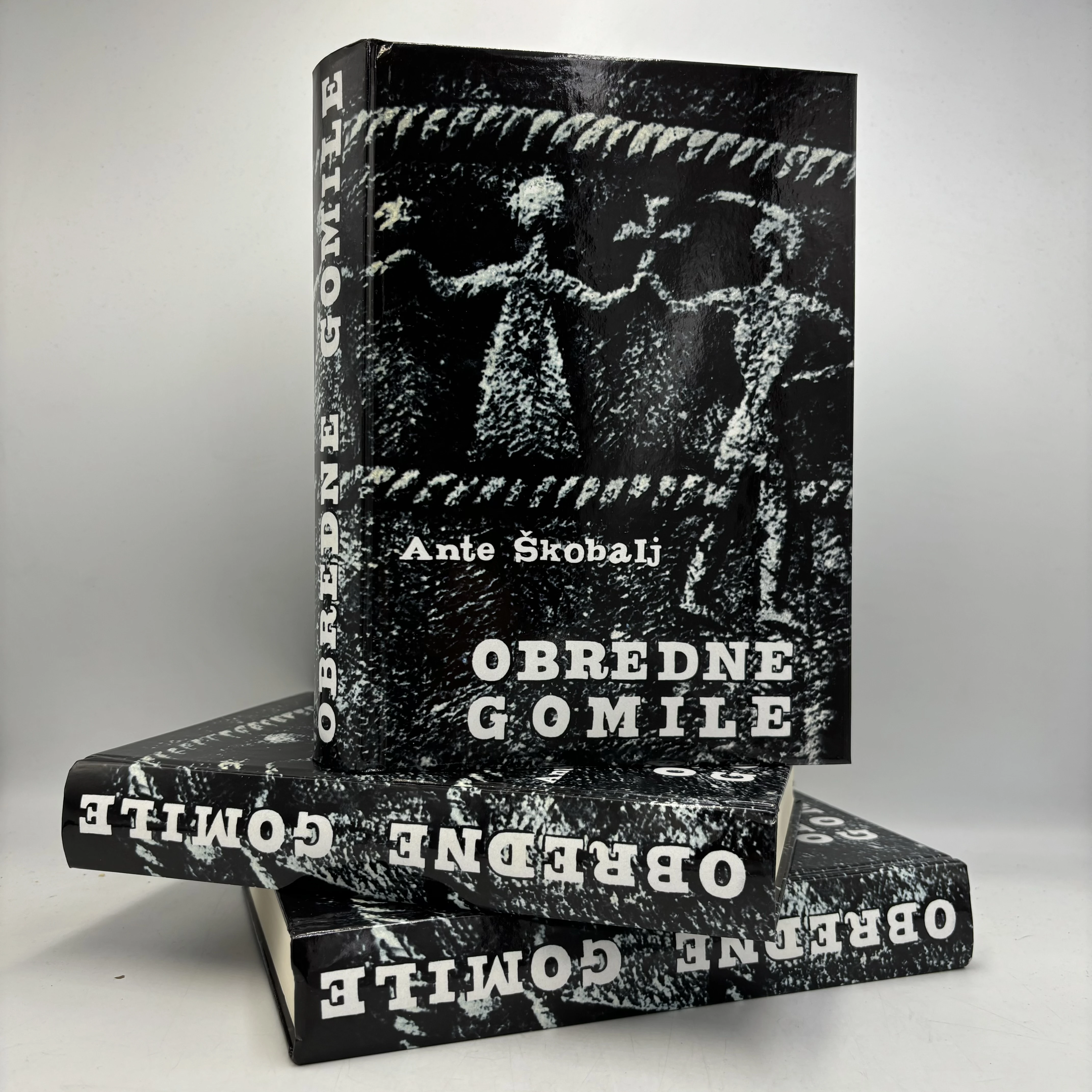
Ante Škobalj and the book "Ritual Crowds"
He was a priest, professor, publicist, researcher of cultural heritage and folk spirituality. He spent most of his life researching local history, customs and sacred topography. He collaborated with several cultural societies, museums and universities, and often taught and held workshops on oral tradition and spiritual heritage of the Mediterranean.
Ante Škobalj was born on July 2, 1914 in Duće near Omiš, and died on September 19, 2000 in Split. He graduated from the Faculty of Theology in 1938. As a priest, he worked in different places of the Archdiocese of Split, and for the longest time in Jesesnice (1945-1967). He was active in pastoral and cultural life — local records and memories of him speak of his great influence on the locals and of his role as a "teacher and role model". There are texts (memories) that mention his long-term presence in the local community and his pastoral involvement in the most difficult post-war years. Škobalj was a polyglot (he knew Old Slavonic, Greek and Latin), and in addition to scientific interest, he was also artistically engaged as a painter, poet, storyteller, novelist, composer, screenwriter, stonemason, woodcarver, and cultural worker. This also explains why his interpretations are often a combination of "scientific" and "artistic" sensibilities — an interest in symbolism, iconography and ritual aesthetics. Such interdisciplinarity makes his work attractive to a wider audience, but at the same time raises questions about scientific precision.
of heritage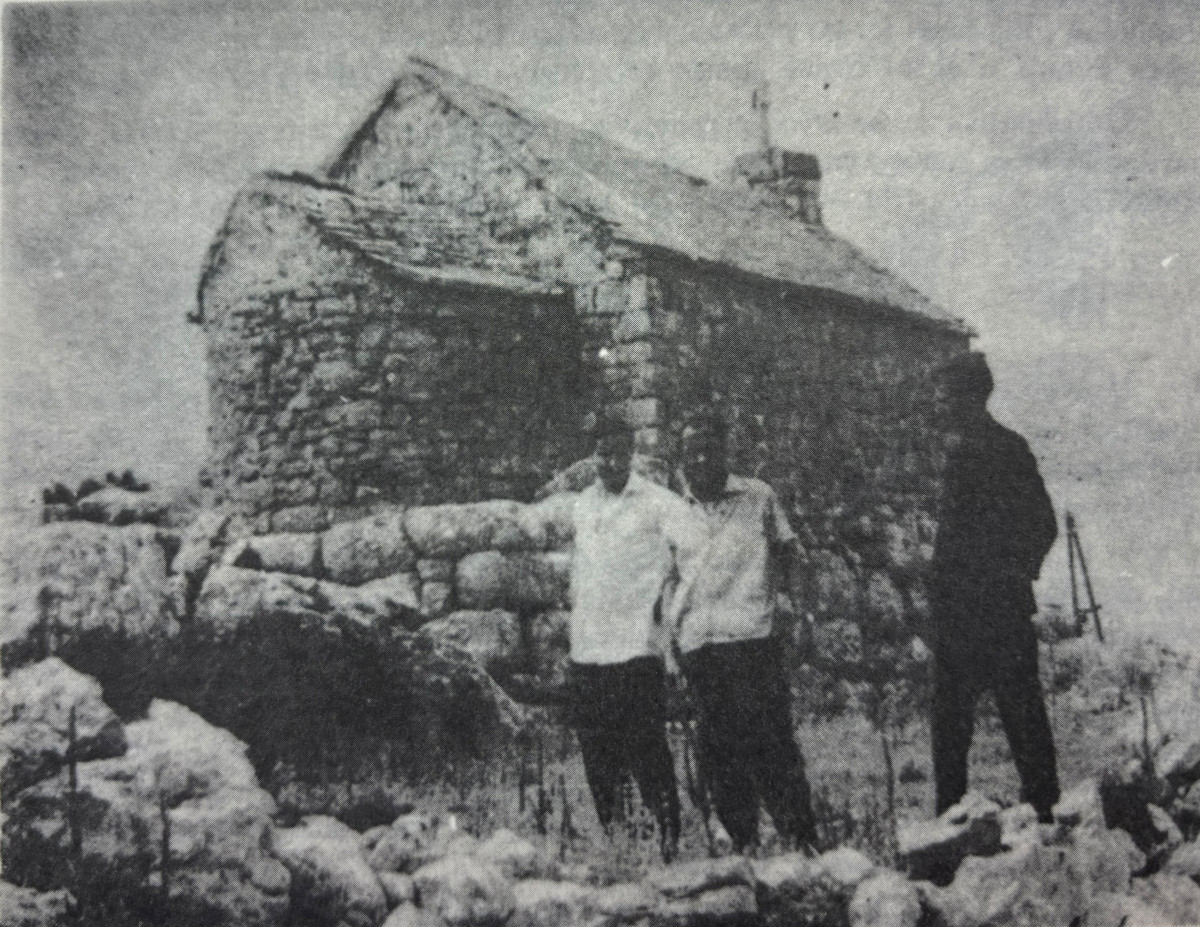
Ante Škobalj intrigues people of different profiles because he combined science, mysticism and poetry, while remaining grounded in concrete, local experience. For some, he is a researcher of tradition, for others, a spiritual interpreter of space, and for others, a cultural bridge between the old and the new world.
What he wrote about
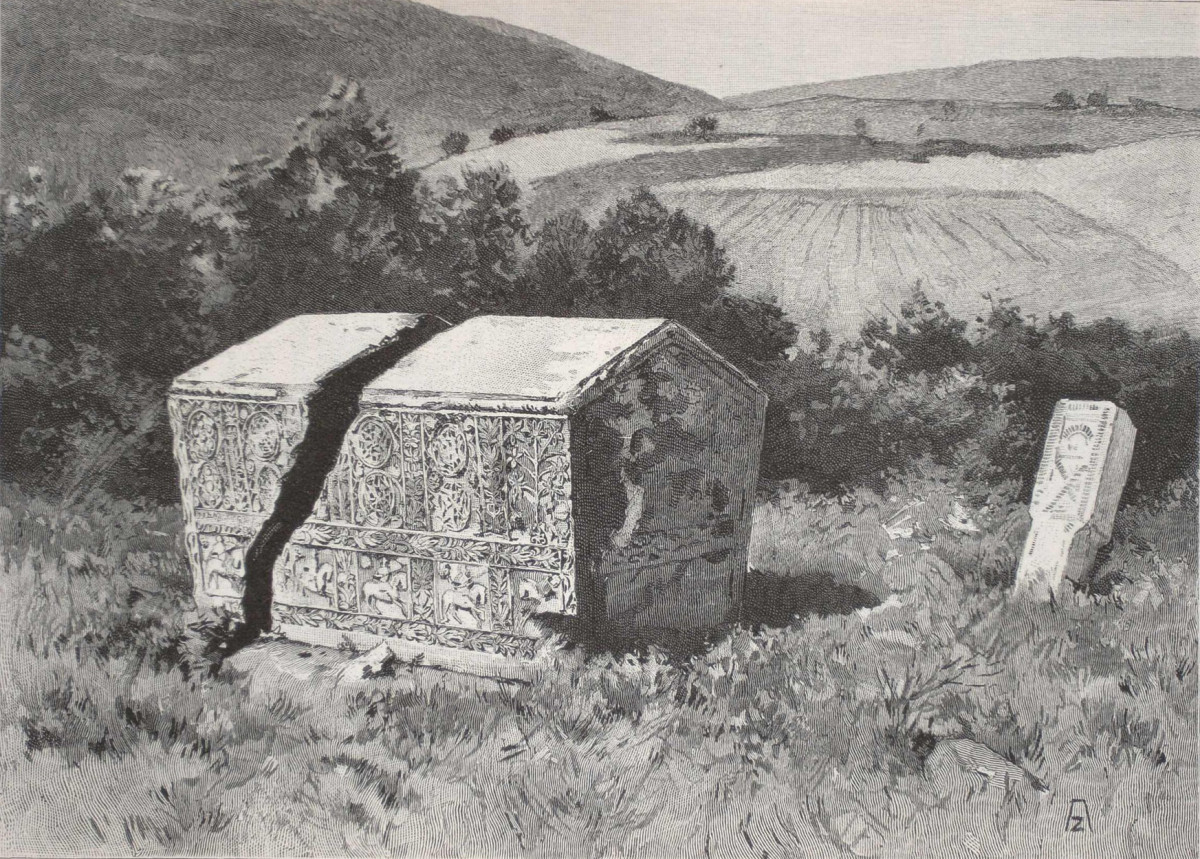
He wrote a lot about topics from older Croatian history, religion, customs, and beliefs. He especially dealt with double churches, the development of altars, the veneration of relics, the relationship between Christianity and paganism, ritual mounds, stećci, castles. Apart from his most significant work Ritual mound, he also wrote other books / articles, the last work is Svidočanstva (1999) which is a collection of his research on the religion of his ancestors. He also engaged in novel writing ("Exit from Space") and artistic activities (mosaics, sculpture, paintings). His work is intriguing because it combined disciplines that are often kept separate (archaeology, theology, folklore, history). His ideas were often bold, unconventional, eliciting both praise and criticism and sparking debate, which is important for academic and broader cultural discussions. Škobalj represents a voice that insists on the importance of cultural and spiritual heritage and precise traces in a country that has gone through many changes - political, ideological, social. His work is particularly significant in the context of Croatian national identity in terms of returning attention to older layers (pagan, pre-Christian) and to continuity that is sometimes neglected.
What is the book Obredne gomile
The full title of the work is: Obredne gomile: on the basis of archaeological findings, a historical-theological discussion about religion and magic. The first edition was self-published in 1970 in Sveti Križ na Čiovo, a reprint was published by Matica hrvatska, Trogir branch in 1999, while a new edition was published by Fortuna (Antikvarijat Biblos), Zagreb 2025.
The book Obredne gomile is the result of many years of field, historical and anthropological research of saints places, customs and traditions associated with prehistoric mounds (mounds) in the area of Dalmatia, Lika and the wider Balkan area. Škobalj approaches the topic in an interdisciplinary way — combining archaeology, ethnology, mythology and spiritual anthropology — with the aim of showing the continuity between ancient burial and cult customs and later folk beliefs and rituals.
- His basic thesis is that heaps were not only grave monuments, but sacred spaces dedicated to the cycle of life, death and rebirth — a place where earthly and heavenly, material and spiritual touch.
- There is a significant cultural-religious continuity between the pre-Christian and later periods in Dalmatia and the neighboring regions; customs.
- "Ritual mounds" (tumuli and other monuments) have a ritual/ceremonial meaning that should be read through archeology and symbolism, not only as burial mounds.
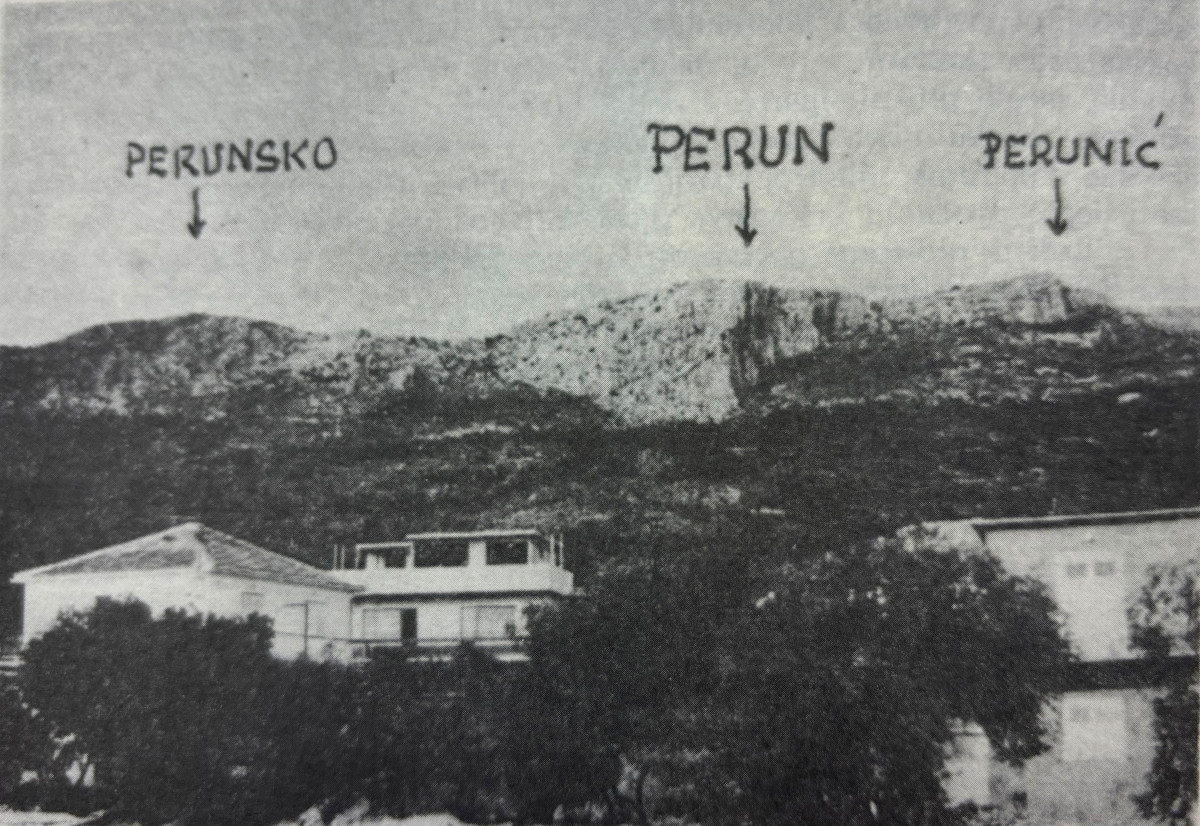
- Dualism, magic and folk rituals are a permanent element in the spiritual life of the people and influence the way Christian rites are organized (e.g. development of altars, veneration of relics, "double churches" (those objects that have two naves / two cultures / two styles).
Structure and thematic layers
- Introduction - explains the concept and function of the crowd, and the research methodology (a combination of field work, oral tradition and archival sources).
- Myth and earth – connection of ancient deities of fertility, water and sun with ritual points in the landscape.
- Tombs and sanctuaries – analysis of archaeological remains and their reinterpretation through ritual functions.
- Folk piety and pre-Christian traces – how old customs were adapted to Christianity frame.
- Contemporary echoes – traces of old beliefs in today's culture, toponymy and place symbolism.
Reception and expert comments
- Archaeologists point out that the book brings valuable field notes and hypotheses that encourage new research, although Škobalev's approach is not strictly academic.
- Ethnologists and cultural anthropologists appreciate his sense of symbolism and the deep connection between people and the landscape.
- Theologians and historians of religions find an interesting bridge between pagan cults and Christian popular piety.
- Art and literary critics point out that the book, although scientific, has an almost poetic dimension - Škobalj writes vividly and with deep respect for the past.
- Škobalj works interdisciplinary: it uses archaeological findings and field observations, and provides historical and theological interpretations. The book also contains an extensive bibliography and index (which is useful for further research).
rena and study of local monuments. The book is important also because it brings a new reading of archaeological findings in the light of mythological and symbolic meanings, connects pre-Christian rites with later popular tradition (e.g. rites on the feast of St. Elijah, customs of lighting candles on hills, processions around mounds), points to a cultural continuity that is often neglected in academic interpretations. However, the book is not intended only for a specialist audience but also for a wider readership interested in the spirituality, history and culture of the area, as well as in our roots, religious and national history. In short, Škobalj intrigues people of different profiles because he combined science, mysticism and poetry, while remaining grounded in concrete, local experience. For some, he is a researcher of tradition, for others, a spiritual interpreter of space, and for others, a cultural bridge between the old and new world.
Find the cult work of Ante Škobalj "Ritual Crowds" in our webshop!
Prepared by: Daniel Glavan
Biblos Newsletter
For book lovers who enjoy finding the rare
New titles, special copies and quiet recommendations from the antiquarian bookshop.