
Danilo Kiš – literary rebel, innovator and keeper of memory
Danilo Kiš is one of the most important names in Yugoslav literature. Throughout his life, Kiš opposed political, ideological and literary dogmas. He criticized totalitarian regimes and advocated the freedom of individuals, where he often dealt with issues of memory, loss, belonging, identity and trauma. His works are a testimony of suffering and the need to preserve the truth through literature. Danilo Kiš was one who was not afraid to face the past and the truth.
Life of Danilo Kiš
Danilo Kiš was born on February 22, 1935 in Subotica, and spent his childhood in Novi Sad and Hungary. His father was a Hungarian Jew and his mother Montenegrin, which shaped his multicultural background. The key event in his life was the Holocaust, when his father died in Auschwitz. This loss became the central theme of some of his works.
After the war, he went to school in Cetinje and studied Yugoslav literature in Belgrade. He worked professionally as a translator and editor, and spent most of his life in France, where he built his reputation. He spent his last years in Paris, where he died on October 15, 1989 from lung cancer.
Literary style of Danilo Kiš
Danilo Kiš was a literary innovator who pushed the boundaries of traditional narrative and successfully combined elements of different literary traditions.
His style is characterized by:
- documentary prose
- intertextuality
- lyrical tone
- criticism of totalitarianism.
Kiš was the author of a deeply engaged and philosophical approach, who through his prose spoke about ideological manipulations, social injustices and human suffering. In addition to criticizing totalitarianism, he also emphasized the similarity between the Nazi and Soviet regimes. He presented his theses boldly and provocatively, regardless of the fact that it was a taboo topic in his time.
Danilo Kiš's influence on literature and culture
Danilo Kiš left an indelible mark on literature, not only in the area of the former Yugoslavia, but also beyond. His works influenced many writers, and the way he combined real events with fiction became an inspiration to many authors. His prose is imbued with deep emotion, but also with precision - Kiš always tried to make literature true, even when talking about fictional characters.
He said that "nothing is more horrible than reality" and he wrote his prose from personal experience. He believed that the writer's task is to speak about reality, regardless of the consequences. Because of this, he was often the target of attacks due to his responses to the manipulation of truth through totalitarianism.
Literary works of Danilo Kiš
Some of the most significant literary works of Danilo Kiš are:
Bašta, pepeo
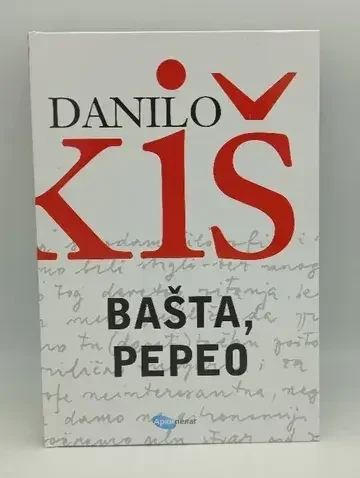
Through his autobiographical novel "Basta, pepeo", Kiš describes childhood through the character of little Andreas through the coming tragedies caused by the Second World War. His father Eduard becomes a symbol of the tragic fate of the Jews. The book is written in a lyrical style and includes intimacy and nostalgia for the feeling of loss.
Tomb for Boris Davidovič
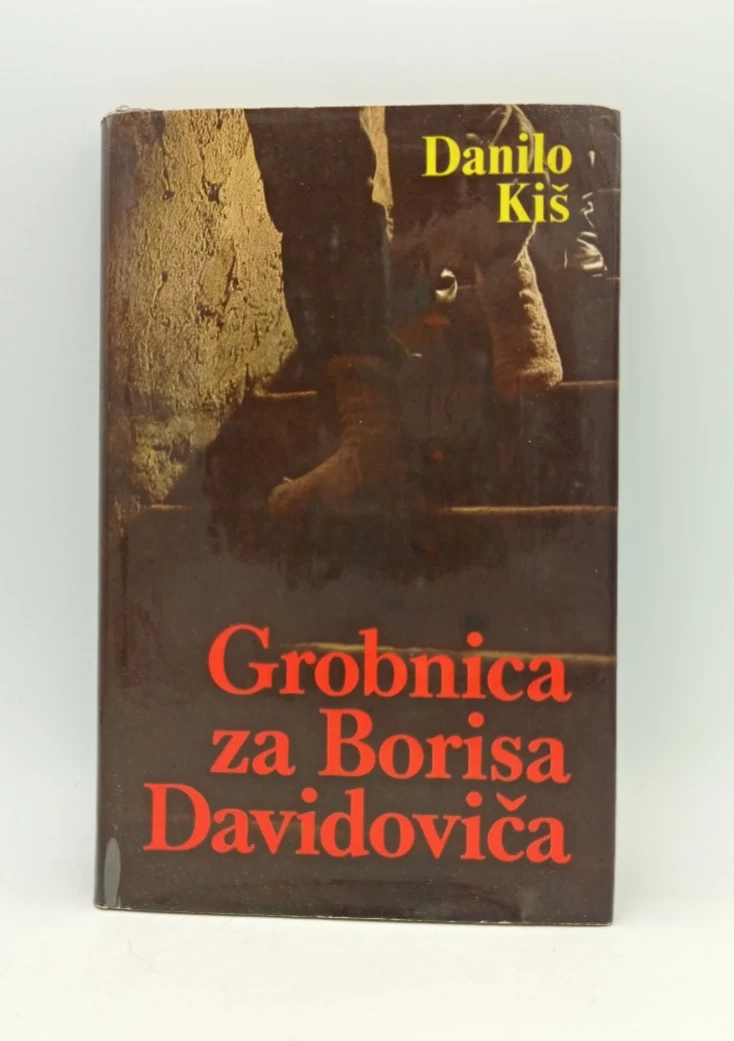
One of the most significant prose books of post-Yugoslav literature is entitled "Tomb for Boris Davidovič". This is a collection of seven novellas based on historical events, victims of Stalinism and ideological blindness.

Encyclopedia dead ih
The question of love and death is the subject of the short story "Encyclopedia of the Dead", which has been translated into all major world languages. Kiš presents this theme in different historical, cultural and social contexts.

Early grief
"Rani jadi" is a collection of short stories through which Kiš shows his childhood and youth. The stories are connected thematically and conceptually through the thinking of a boy who grows up happily, but in poverty and hunger.

Psalm 44
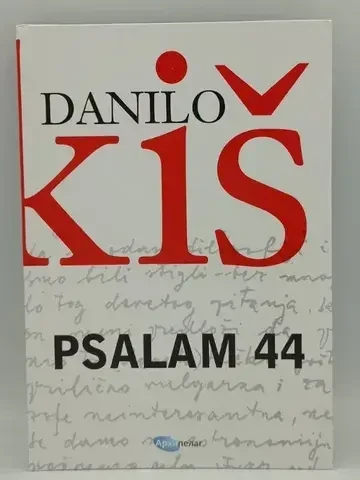
An intimate story about love and loss that analyzes human suffering through the experience of a concentration camp. The plot of the novel "Psalm 44" follows a mother and her son in an attempt to escape from the camp. Psalm 44 from the Bible points to a people turning to God for an explanation for their undeserved suffering.
Read the best works of Danilo Kiš
Explore our offer book by Danilo Kiš, whose works are a combination of history, fiction and universal truth.
Biblos Newsletter
For book lovers who enjoy finding the rare
New titles, special copies and quiet recommendations from the antiquarian bookshop.