
Leo Nikolayevich Tolstoy - fighter against injustice
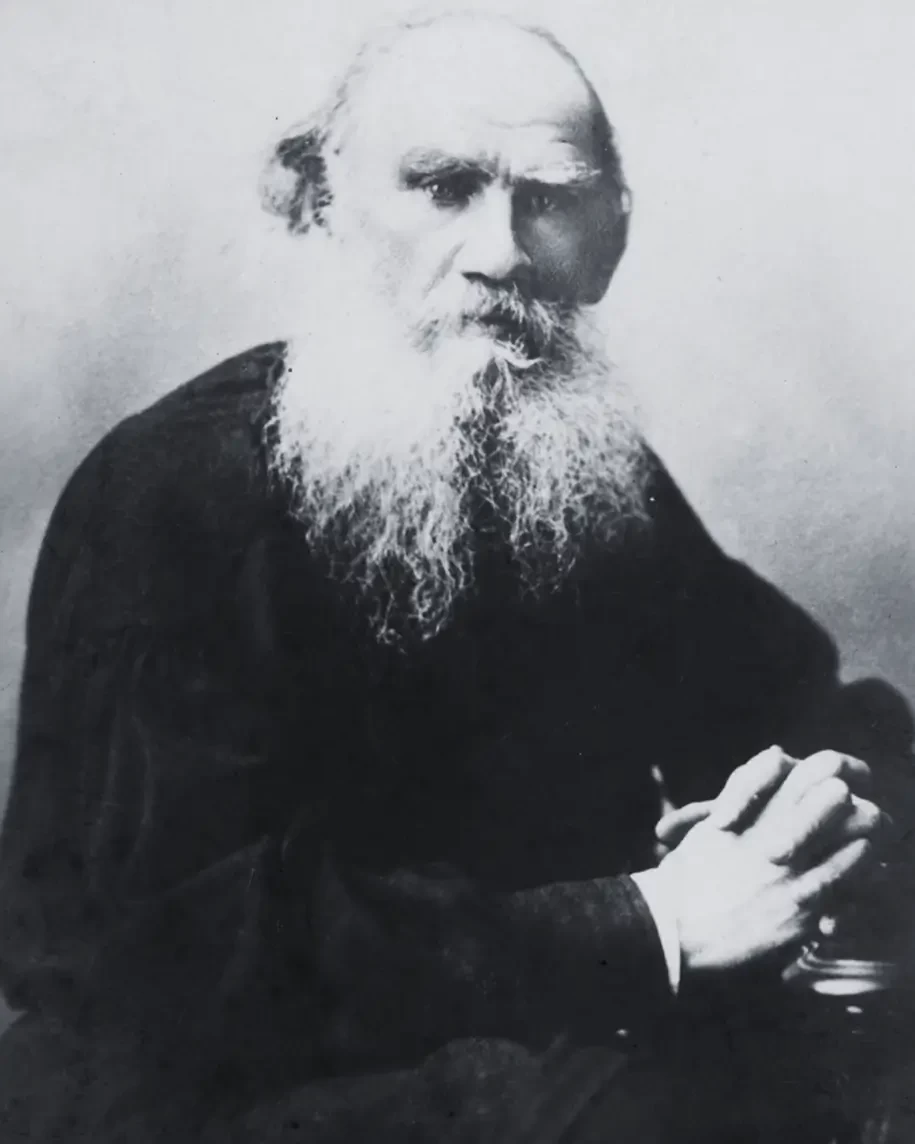
Leo Nikolayevich Tolstoy is a writer who shaped the Russian novel with his works and started a moral and spiritual revolution, the consequences of which are felt even today. His work combines epic prose, philosophical reflections and a deep search for the truth.
Tolstoy was also a social reformer, mystic, pacifist and sharp critic of the Church and the state. His struggle for true spiritual simplicity made him a moral authority of his time, and influenced thinkers such as Gandhi and Martin Luther King.
Life of Leo Nikolayevich Tolstoy
Tolstoy was born in 1828 into a noble family on the Jasna Poljana estate in Russia. After studying law and a short military career, he devoted himself to writing. The experience of military life profoundly changed Tolstoy's worldview, while witnessing the scene of the execution caused him to lose faith in the state, which made him decide never to serve any government again.
His early work already showed a tendency towards psychological realism and the depiction of the characters' inner struggles. After the success of great novels, a personal upheaval followed. Tolstoy experienced a deep moral crisis and "conversion". He rejected wealth, property and institutionalized religion and advocated a return to a simple, work-filled life. In his search for meaning, he lived almost as an ascetic.
He died in 1910, after leaving his family and home in an attempt to find spiritual peace. He died at the Astapovo railway station, a symbolic end for a man who was constantly on the road between worldly fame and spiritual truth.
Literary style of Leo Tolstoy
Tolstoy was a master of realistic storytelling. His novels are full of detailed descriptions, deep psychological analyzes and philosophical reflections. He was a pioneer in depicting the consciousness of the characters and the inner monologue, which strongly influenced the novel of the 20th century.
His prose is not only literary, but also spiritual. Through the characters and plot, Tolstoy raises moral questions: What is good? How to live? What does truth mean? Writing served him as a tool for examining the world, people and his own conscience.
Literary works of Leo Nikolayevich Tolstoy
We single out a few titles that deserve a special place on every shelf:
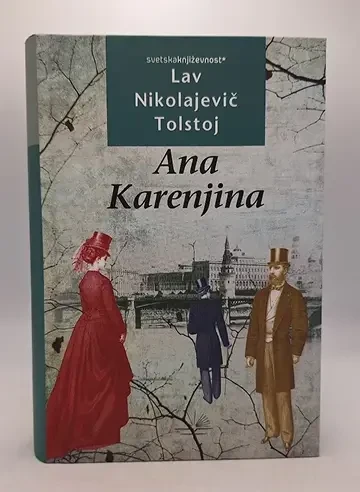
Ana Karenina
One of the most important novels in world literature, a tragic story about love, social rules and personal freedom. Tolstoy explores the position of women in a patriarchal society through a powerful and emotional narrative about Anna, her inner turmoil and conflict between heart and duty.
Kreutzerova sonata
A provocative and philosophical story about love, marriage and jealousy. Through the main character's monologue, Tolstoy opens a discussion about sexual morality, lust and the destruction that possessive love brings.

Sevastopol stories
Short war stories based on Tolstoy's personal experience from the Crimean War. Realistic, cruel and emotionally powerful, they show military life and the senselessness of bloodshed.

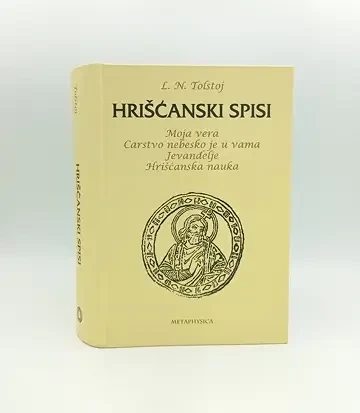
Christian writings
A selection of Tolstoy's philosophical and religious texts in which he questions institutions, the church and calls for a return to primitive moral values. This edition will be of particular interest to those looking for the spiritual dimension of Tolstoy's oeuvre.
Obiteljska sreca
A short novel about youthful infatuation and later dealing with the reality of marriage. Tolstoy presents a psychological study of the differences between idealized love and real life.

Add Tolstoy's classics to your shelf!
On our web shop you will find various works by Lev Nikolayevich Tolstoy. Choose from novels, thoughtful essays, and rare collections all in one place.
Biblos Newsletter
For book lovers who enjoy finding the rare
New titles, special copies and quiet recommendations from the antiquarian bookshop.