
Milan Kundera: "Anyone whose goal is "something more" must expect to suffer from vertigo one day."
Milan Kundera was born on April 1, 1929 in Brno, today's Czech Republic. His father was a pianist and musicologist, and his mother a pediatrician.
The writer grew up surrounded by music, literature and art. His parents recognized his talents and instilled in him a love of learning. He loved to read and observe the world around him.
He grew up in politically turbulent times, which significantly influenced him, so he found comfort and inspiration in the works of great writers such as Dostojevski, Kafke and Camus.
According to some biographers, Kundera had an extremely difficult time making decisions in life, and the cause of this indecision was in his childhood, that is, his demanding father who demanded everything perfection.
Others say that the writer adored his father and that biographies in which this relationship is portrayed differently would hurt him terribly.
"To be a writer means to discover the truth."
Milan Kundera
Those who know the character and works of the great writer describe him as a private person with a small circle of close friends. He valued solitude and contemplation.
"True, he was a very closed person, but whoever knew him was amazed by his humor and joie de vivre. He told us many funny stories about his beginnings in France, often mocking himself."
Samuel Abrahám
Departure to France
After the end of the Second World War, Milan Kundera enthusiastically, as a young man, joined the Czechoslovak Communist Party.
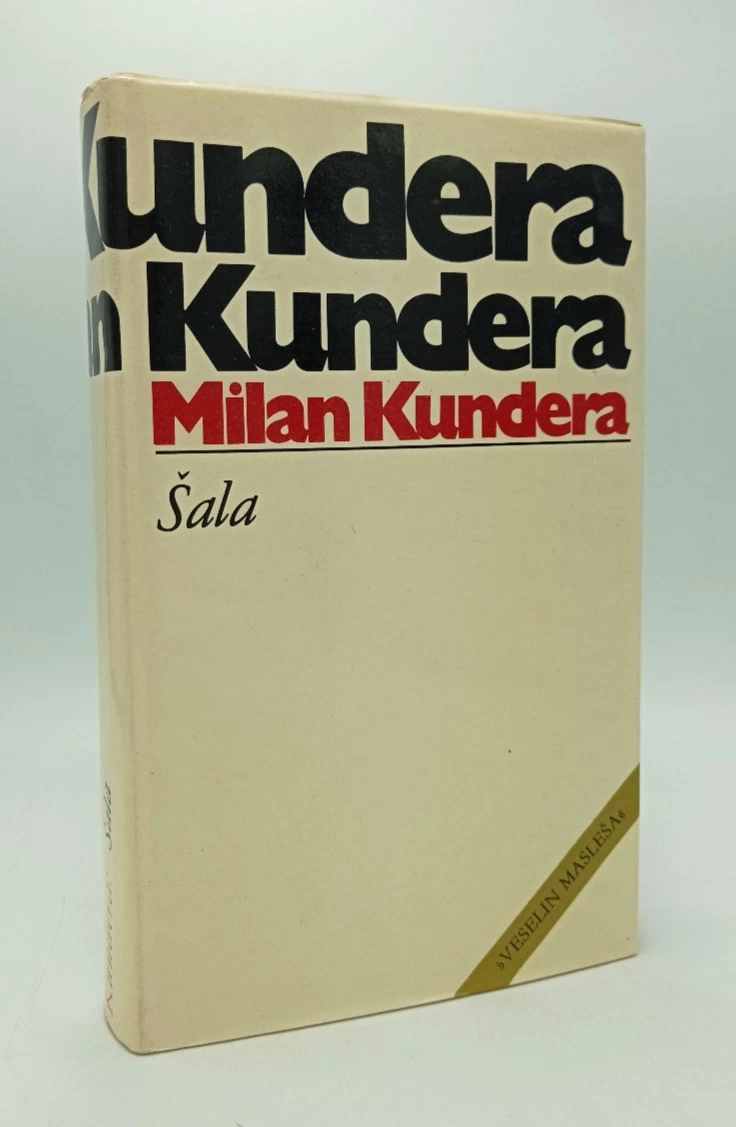
He entered and left the Partyon several occasions. For example, he was expelled for the first time in 1950 for "anti-communist activities", and he wrote down that experience in a bookShala.
In the meantime, he was re-admitted to the Party only to be finally expelled a few years later because participated in the Prague Spring.
Regardless of the fact that the efforts of Czech intellectuals to democratize the country were violently suppressed, Kundera still, through public polemics in the media, tried to reform the society there.
In the end, he gave up and in 1975 together with his wife Vera, he emigrated to France.
Communist authorities took away his citizenship and since then he almost never returned to his homeland, even after the fall of the Iron Curtain. He wrote his last novels in French.
According to a controversial article published in 2008 in a magazine, which was allegedly based on police reports, Kundera informed the secret police in Prague in 1950 that he was a Western spy in the city.
It was about the 21-year-old Czech pilot Miroslav Dvořáček. Mladić was sentenced to 22 years in prison, 14 of which he served in a labor camp.
The writer strongly rejected the stated claims, calling them lies.
Literary style

Photo: Themes that Milan Kundera deals with in his works, Source: Marijana Matijević
Kundera skilfully combines elements:
- fiction
- autobiography
- philosophy
Characters often float between mundane reality and the sublime world of ideas. The writer uses satire to depict totalitarian regimes, and he portrays human nature by connecting irony and a philosophical view of the world.
Books are read with ease, everything flows smoothly, they seem like enjoyable reading. However, this simplicity actually hides k complexity of the actors and their relationships.
In reference to Anna Karenina, the masterpiece Leo Tolstoy, Kundera wrote:
"The novel is an imaginary paradise of individuals. It is a territory where no one owns the truth, neither Anna nor Karenin, but where everyone has the right to be understood, both Anna and Karenjin."
Kundera's works have been translated into more than eighty world languages, and he has won several prestigious literary awards.
Milan Kundera's literary works
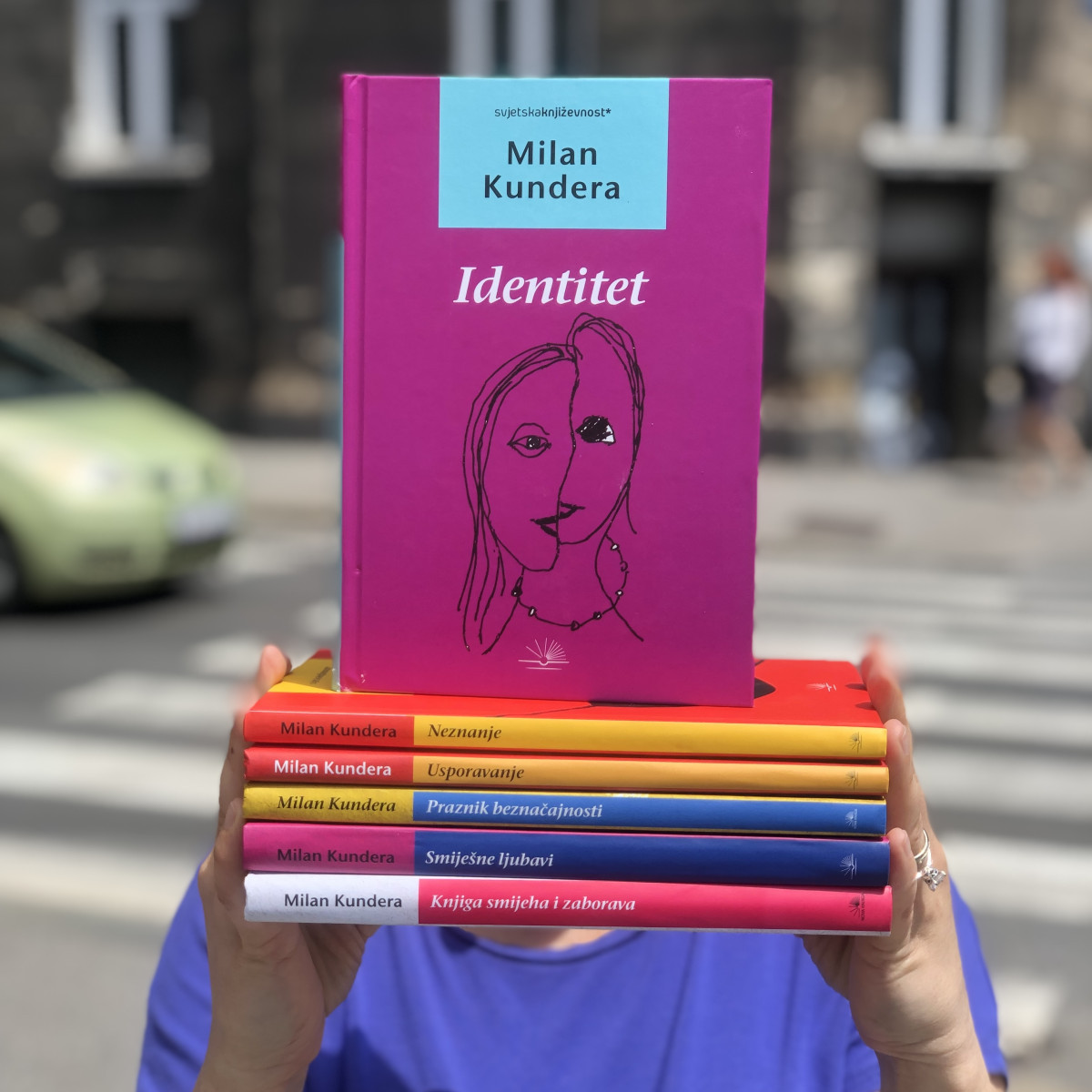
Photo: Marijana Matijević
Joke
The book deals with to the all-time themes of love and lust, to which the writer adds the theme of fate.
Namely, after Ludvik, a free-spirited young man, sends a postcard to a classmate on which he jokingly writes "Optimism is the opium of the people! A healthy atmosphere stinks of stupidity! Long live Trotsky!" his life changes irreversibly.
He was expelled from the university and from the Communist Party and sentenced to many years of life in a labor camp.
The Unbearable Lightness of Existence
Probably Milan Kundera's most famous work.
The writer tells the story of a young woman in love with a successful surgeon, a womanizer who is torn between his love for her and his love for other women.
The novel is about passion, politics, infidelity and idealism.
of oblivion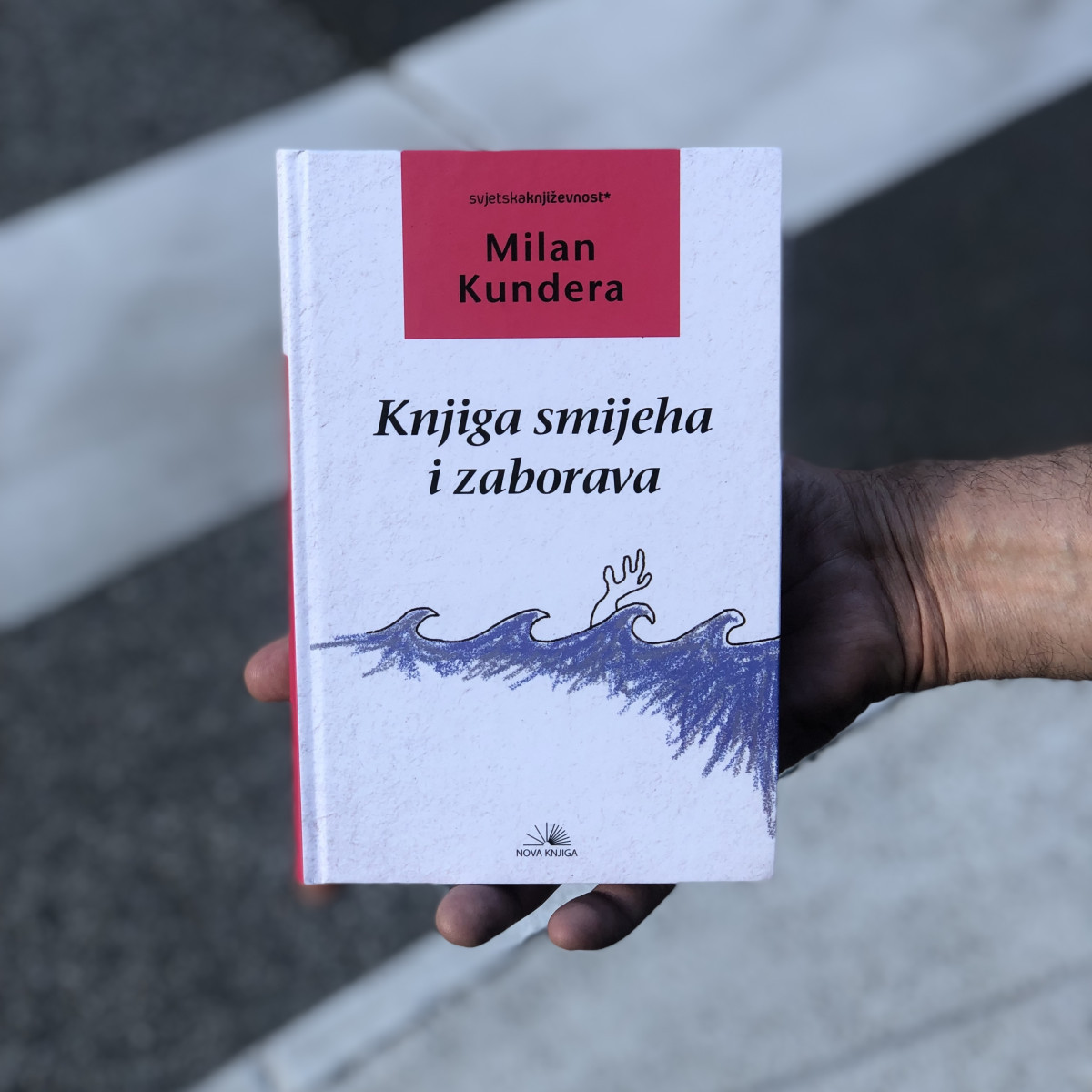
Photo: Marijana Matijević
The novel was first published in France in 1979. It does not have a single plot, but is composed of seven relatively independent parts.
The writer explores contradictions such as weight and lightness, the mind and the body.
He argues that there are two types of laughter: angelic and demonic. href="https://www.antikvarijat-biblos.hr/knjige/knjizevnost/smjesne-ljubavi-1702039834">Smijesne ljubavi
It is a collection of seven short stories in which the writer talks about friendship, love and sex.
Kundera writes in a witty way about erotic relationships between characters of various minds the games that lovers use and the facade we put on when we try to impress someone.
In the end, in all this, we can turn out to be just like a clown.
The book is the author's last work in the Czech language.
Milan Kundera, Funny Love
Farewell waltz
Klima, a famous jazz trumpeter, receives a phone call in which a young nurse with whom he had a one-night stand informs him that she is pregnant plot.
The novel deals with love and hate relationships between eight different characters who gather in a small spa in Czechoslovakia in the early 1970s.
“Nisa m for imposing happiness on people. Everyone is entitled to bad wine, stupidity and dirty fingernails.” Milan Kundera, Farewell Waltz src="https://www.antikvarijat-biblos.hr/media/img/blog/ZwmsxWMaj_IMG_2228.jpg">
Photo: Marijana Matijević
Kundera narrates the intimate relationship between Chantal and her slightly younger partner Jean-Marc.
This complex relationship affects their sense of identity. The author does not think about identity as an autonomous entity, but considers how it is shaped by the identities of others and their relationship with our own.
There are moments when we do not recognize the person across from us. The other's identity is erased, and at the same time we doubt our own.
This often happens to couples in love.
Prepared by: Marijana Matijević
Biblos Newsletter
For book lovers who enjoy finding the rare
New titles, special copies and quiet recommendations from the antiquarian bookshop.