
Owner Daniel: I try to find the oldest copies of our works
We deal with the return of Croatian books that bear witness to our history and customs. Most of these books were printed abroad and are difficult to find, says Daniel Glavan, owner of Biblos antique shop. The antique shop has been in existence since 2003. The offer of old and rare Croatian materials and rare books is the foundation of our business. But we also have books on other subjects from the humanities and philosophy. We offer beautiful literature, but also picture books, says Daniel Glavan, owner of Biblos antique shop in Zagreb.
Daniel visits fairs throughout Europe and the region to 'bring back' our literary treasures.
- We are thoroughly dealing with the repatriation of Croatian book cartographic materials, which means the return of Croatian cultural and cartographic treasures because most of these books were printed abroad - says Daniel and adds that the subject of the books is closely related to Croatian history, culture and identity.
- There are three important elements that we strive for, and at least one should be satisfied. The first is that the author is Croatian, the second is that the topic is related to Croatia and the third is that the book was printed in Croatia. All three satisfy the first edition of Priča iz Davnin, which was printed back in 1916 in Zagreb, and the publisher is Matica hrvatska - says Daniel, who most of all likes to search for the often unknown treasures of our country.
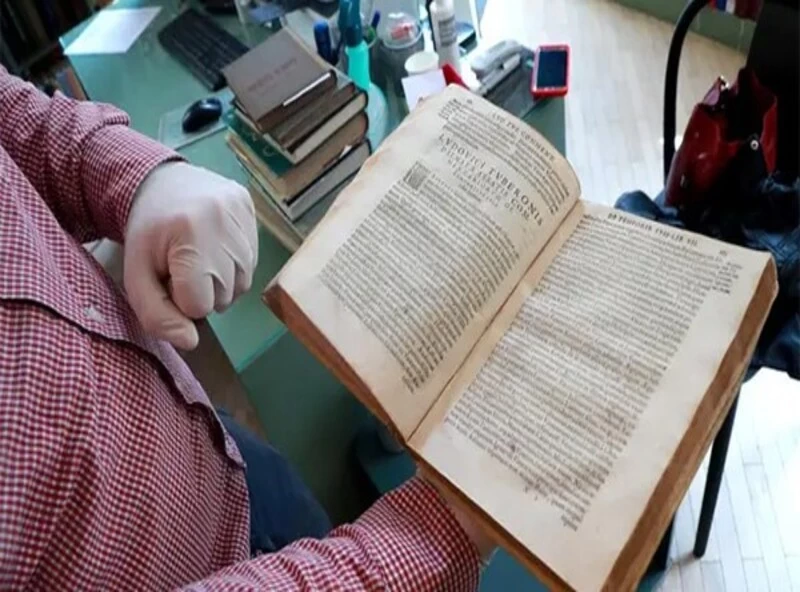
The most expensive and valuable book is the work of the famous Dobrovac historian Ludovik Crijević Tuberon. The book was published in 1603 in Latin. It is well preserved, and describes European historical events in the 15th and 16th centuries, above all the wars against the Ottoman Empire in our region. In one chapter, he talks about the history of Dubrovnik. Its price is HRK 20,000.
- The book also talks about the position of disenfranchised sections of the population and criticizes high church circles advocating religious tolerance not only towards Orthodox and Protestants but also towards Muslims. Because of such attitudes, in 1734 the book ended up in the Vatican's Index of Prohibited Books. These are the reasons why this book is extremely rare - says Daniel, adding that Gundulić also used the descriptions of Turkish situations from this book to depict life during the Ottoman Empire in his famous work Osman.
Biblos Newsletter
For book lovers who enjoy finding the rare
New titles, special copies and quiet recommendations from the antiquarian bookshop.