
Summary
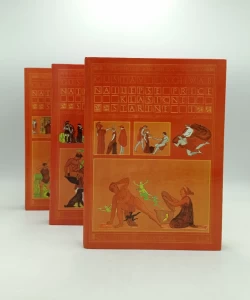
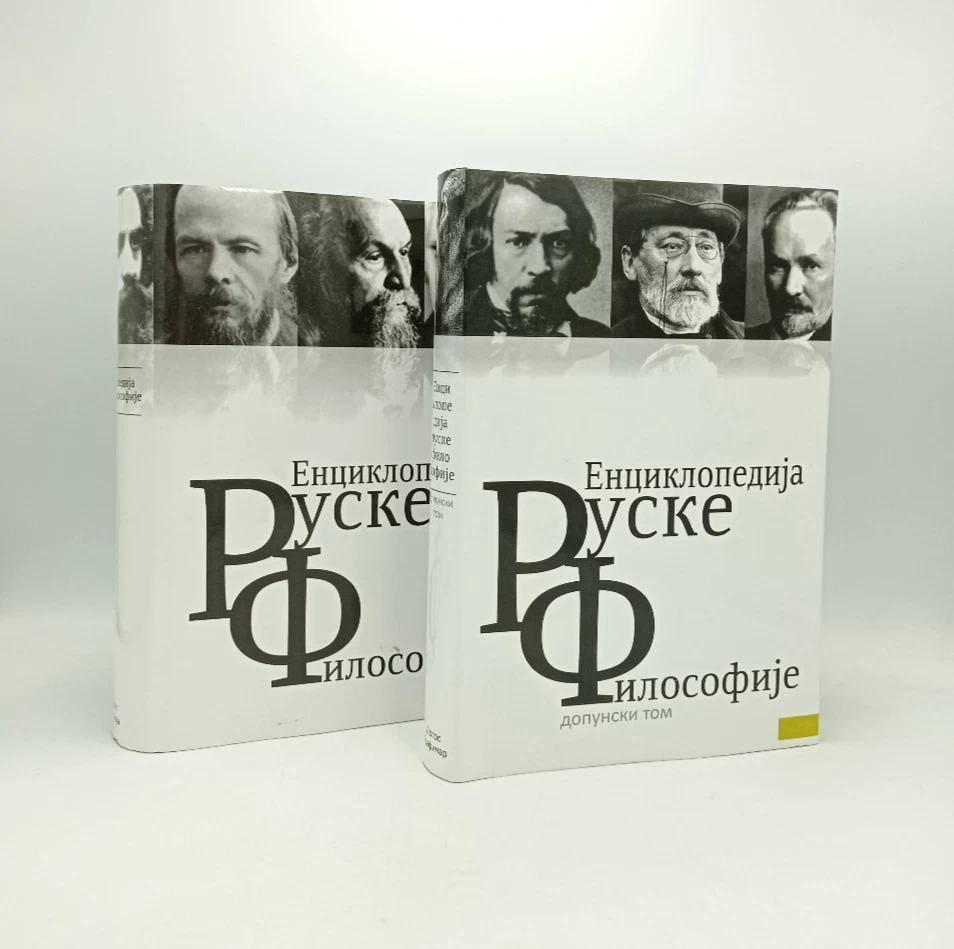
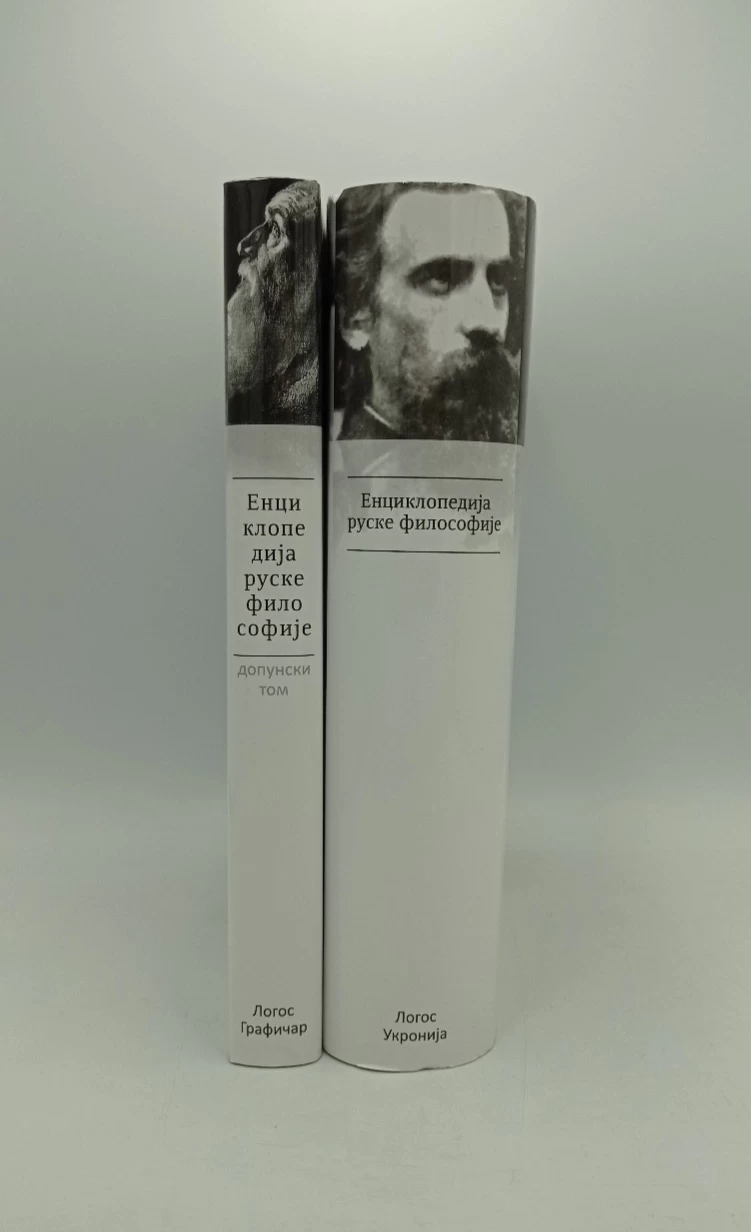
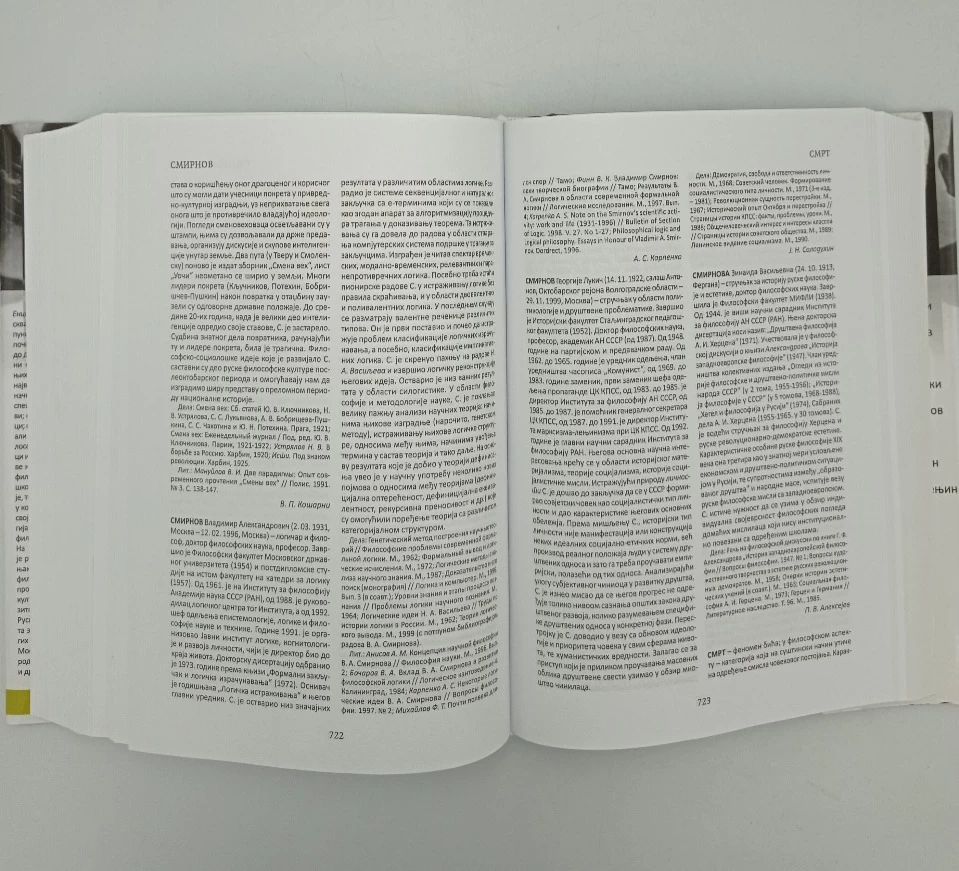
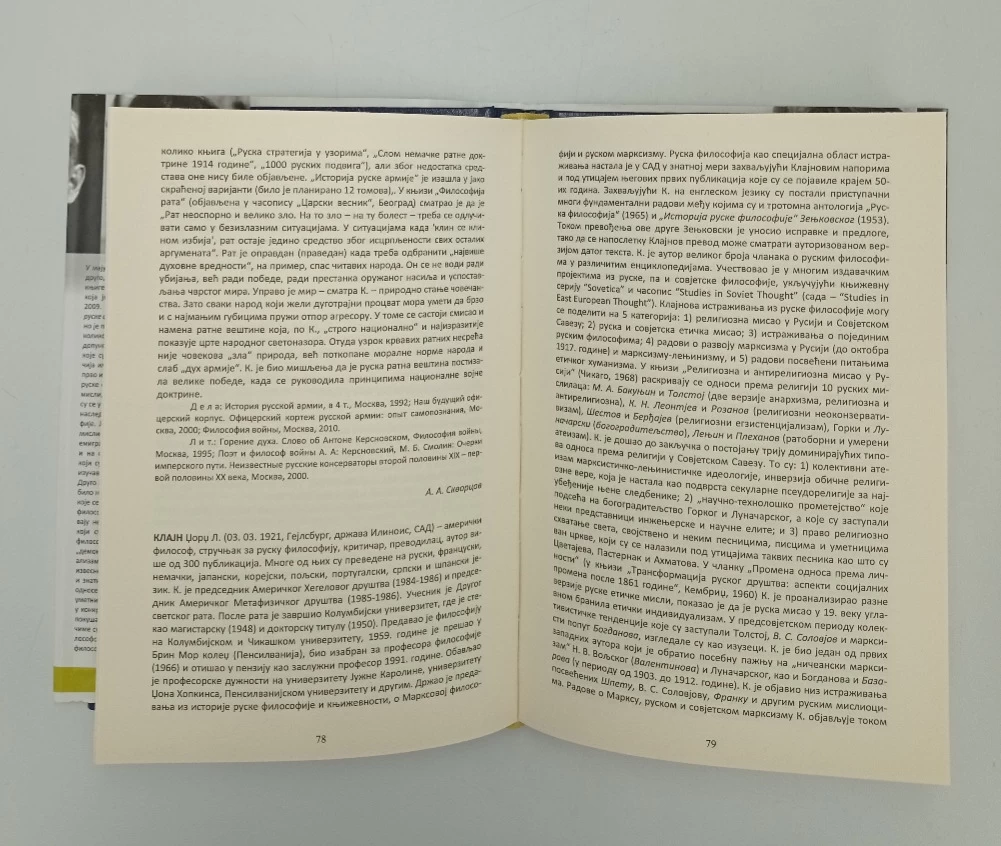
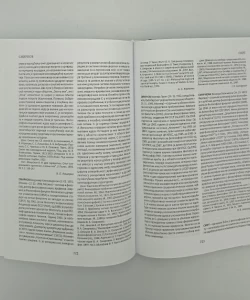
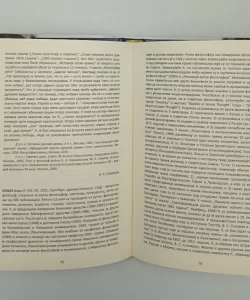
Mikhail Maslin: Encyclopedia of Russian Philosophy I-II
At the end of the eighties and the beginning of the nineties of the 20th century, Russian philosophical thought finally freed itself from the shackles in which it had lived for seventy years. At the end of 1991, the Soviet Union ceased to exist, and with it, its official ideology based on the Marxist-Leninist view of the world went into the past. This marked not only the end of the seventy-year-old attempt to consolidate absolute unanimity, but also the beginning of an era of complete, unrestricted freedom for every form of man's creative expression, including his philosophical creativity. There was no longer any obstacle to the philosophical heritage of Russia finally appearing before the Russian thinking public. In a very short period of time, this public was literally overwhelmed by a huge amount of works that were created for an entire century and a half, and which, since the moment of seduction by the communist intellectual and every other reign of terror, had not the slightest chance of seeing the light of day, except in illegal copies and photocopies. Of course, this state of affairs resulted in the intensification of work on the collection, study and systematization of this huge, for a long period of time, almost unknown intellectual heritage.
It can be said that Russian philosophy, especially that which grew on Christian and national soil, is today the primary subject of interest for specialists at various higher education institutions in Russia, but also for all those who are driven by the unquenchable philosophical eros to search for the meaning of life and answers to the eternal questions of human existence. Numerous scientific gatherings and conferences are devoted to it, in which not only philosophers but also theologians, philologists, historians, psychologists, pedagogues, physicists, artists take part; monographs, studies, essays and articles are written, master's and doctoral theses are defended and published, the subject of which are the ideas and teachings of the leading representatives of Russian philosophy of the 19th and 20th centuries. Intensive work on the study of the philosophical heritage of Russia also led to the appearance of accompanying, so-called secondary literature, i.e. textbooks and specialized manuals. Let's mention only the most significant: Russian philosophy. Small encyclopedic dictionary (Moscow, 1995), P. V. Alekseev's dictionary Philosophers of Russia of the 19th and 20th centuries. Biographies. Ideas. Padovi (four editions so far), Russian philosophy. Dictionary (Moscow, two editions 1995 and 1999), New Philosophical Encyclopedia in four volumes (2000-2001), and Russian Philosophy. An encyclopedia (Moscow, 2007) that presents the most complete overview of Russian philosophy from the beginning of its formation (11th century) to the present day. All the most important Russian thinkers, their biographies, ideas, works, as well as the most important literature about them are exhaustively presented in it; individual philosophical-historical periods; specific understandings and key terms; basic philosophical currents and directions; external, primarily Western European, but also Eastern philosophical influences; philosophical magazines and anthologies, circles and societies, and official educational institutions where philosophy was taught and studied: universities, academies and schools; the historiography of Russian philosophy, and the classical philosophical disciplines in which Russian philosophy achieved its most significant results: axiology, ontology, theory of knowledge, ethics, philosophical anthropology, etc.
This item has no reviews yet. Be the first to share your experience.
Biblos Newsletter
New titles, special copies and quiet recommendations from the antiquarian bookshop.