
Summary
Richard Popkin: History of Skepticism
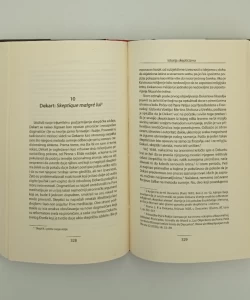
From Savonarola to Bale Richard Popkin is one of the most influential contemporary interpreters of skepticism, and his book traces the history of skepticism from 1450 to 1710. This period was not chosen by chance. In those 300 years, Greek skepticism was first rediscovered, then incorporated into the experience of the Renaissance, then exposed to new interpretations and transformations so that it itself played an indispensable role in great philosophers such as Descartes, Pascal, Spinoza, Hobbes or was repeatedly questioned in the theological debates of that period. Popkin belongs to the American school of historians of philosophy, which implies impeccable knowledge of the subject he writes about, rigor in presentation and, despite the fact that it is a text that extends to almost 700 pages, economy of expression. Already in the first sentence of the book, Popkin specifies that skepticism is a philosophical point of view, and not a series of doubts tied to traditional religious beliefs. This means that the key stake of any skeptical position is truth. Nevertheless, Popkin does not oppose skepticism and fideism, skeptic and believer, as might be expected given the opposition of these two positions. Skepticism, the author suggests, is never mere disbelief, nor is fideism blind belief. Although the skeptic recommends refraining from making judgments based on belief, this does not mean that belief is irrelevant to what the skeptic cares about—unquestionable truth. Using the concept of fideism, as it has been shaped by English-language literature, Popkin tries to highlight more clearly the skeptical element that, he claims, is included in the fideist point of view. Popkin's text is indispensable in any discussion that uses doubt as a way to arrive at workable truth.
Biblos Newsletter
New titles, special copies and quiet recommendations from the antiquarian bookshop.