
Summary
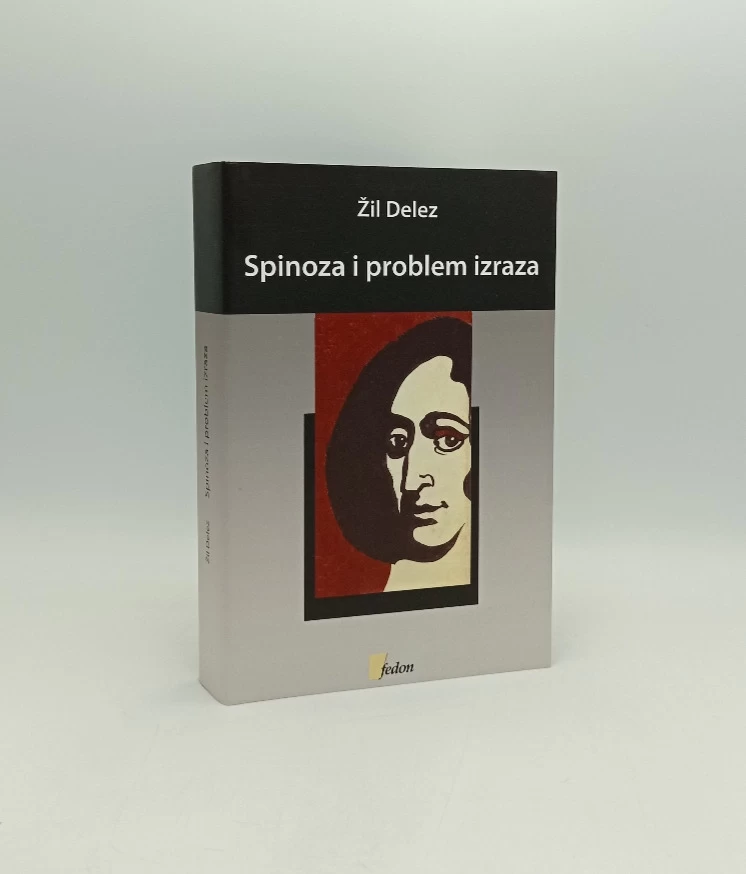
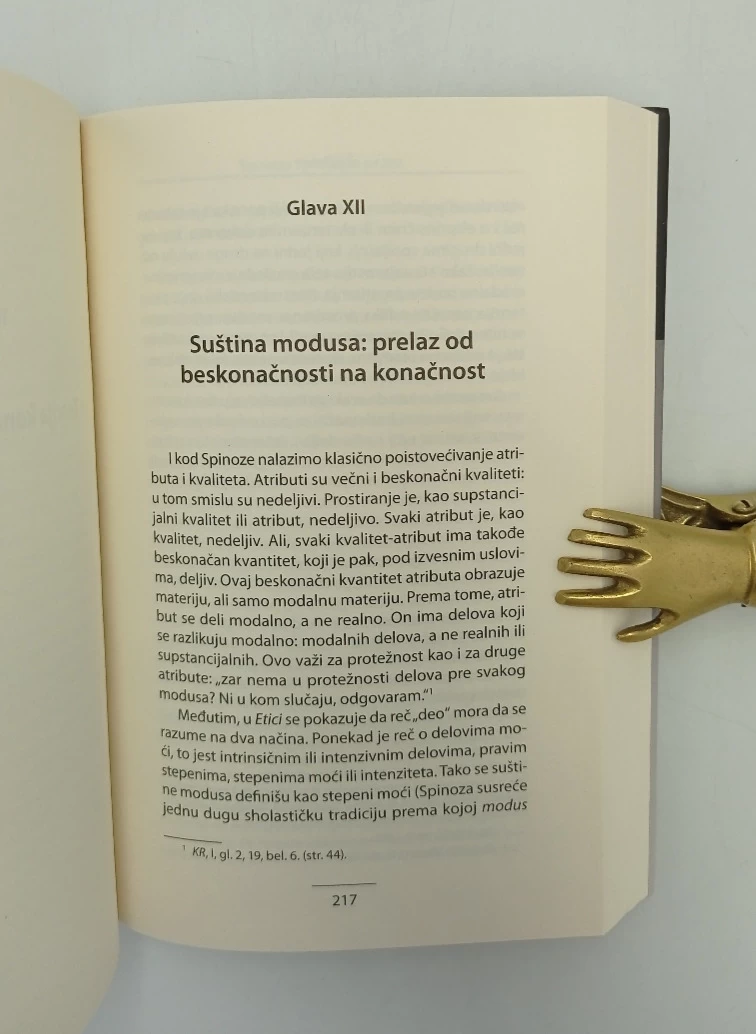
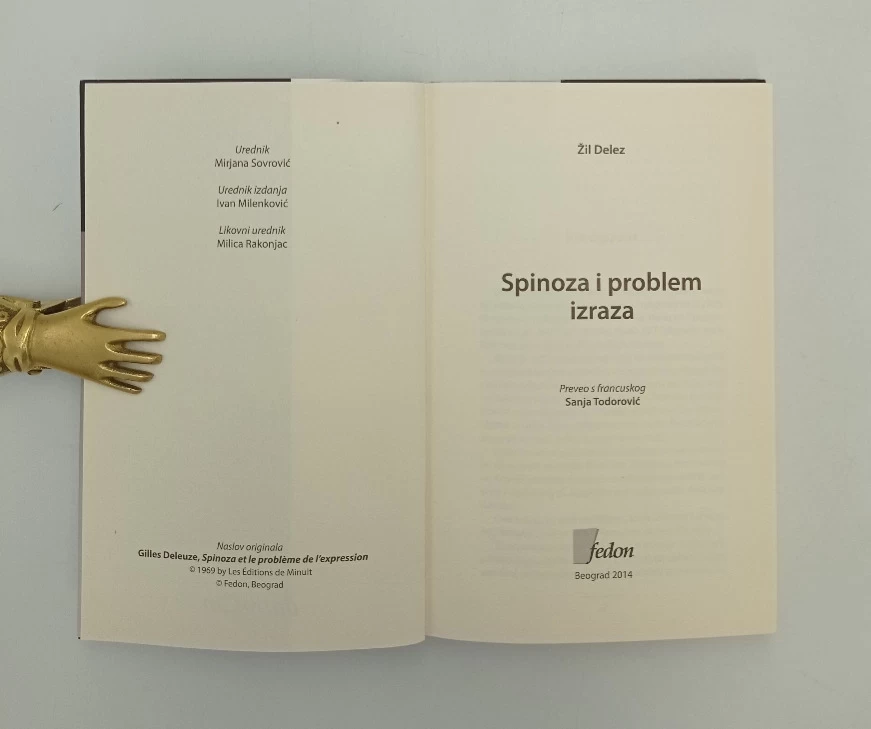
Gilles Deleuze: Spinoza and the problem of expression
Spinoza is one of Deleuze's most important interlocutors, one of his most powerful inspirations, one of those philosophers whom Deleuze read with such passion that even Spinoza was not the same after the book on Spinoza. Deleuze's idea is in equal measure ingenious, daring, audacious, unusual: Spinoza, until now, was read as a rationalist; let's read him as an empiricist. The consequence of such a reversal of perspective is the transformation of the role, place, relationship and value of the substance, its attributes and its modes. If, according to the (pre)old philosophical custom, substance was understood as the unchanging essence, while attributes and modes are what comes to substance, as they say, if substance had an unquestionable value in relation to how it is expressed - because substance is one, and the expressions of that substance can be countless - after Deleuze's reading, substance and expressions of substance suddenly change places and substance becomes what can only be understood through its expressions. The expression, suddenly, is no longer derived, but it is the substance itself.
In a dense, meticulous rendering that respects the best practices of strict philosophical expression, Deleuze writes perhaps the best reading of Spinoza in the history of philosophy. Because, for Deleuze, Spinoza is not an antiquarian value, but a living, breathing philosopher (only if we know how to read him).
Biblos Newsletter
New titles, special copies and quiet recommendations from the antiquarian bookshop.