
Summary
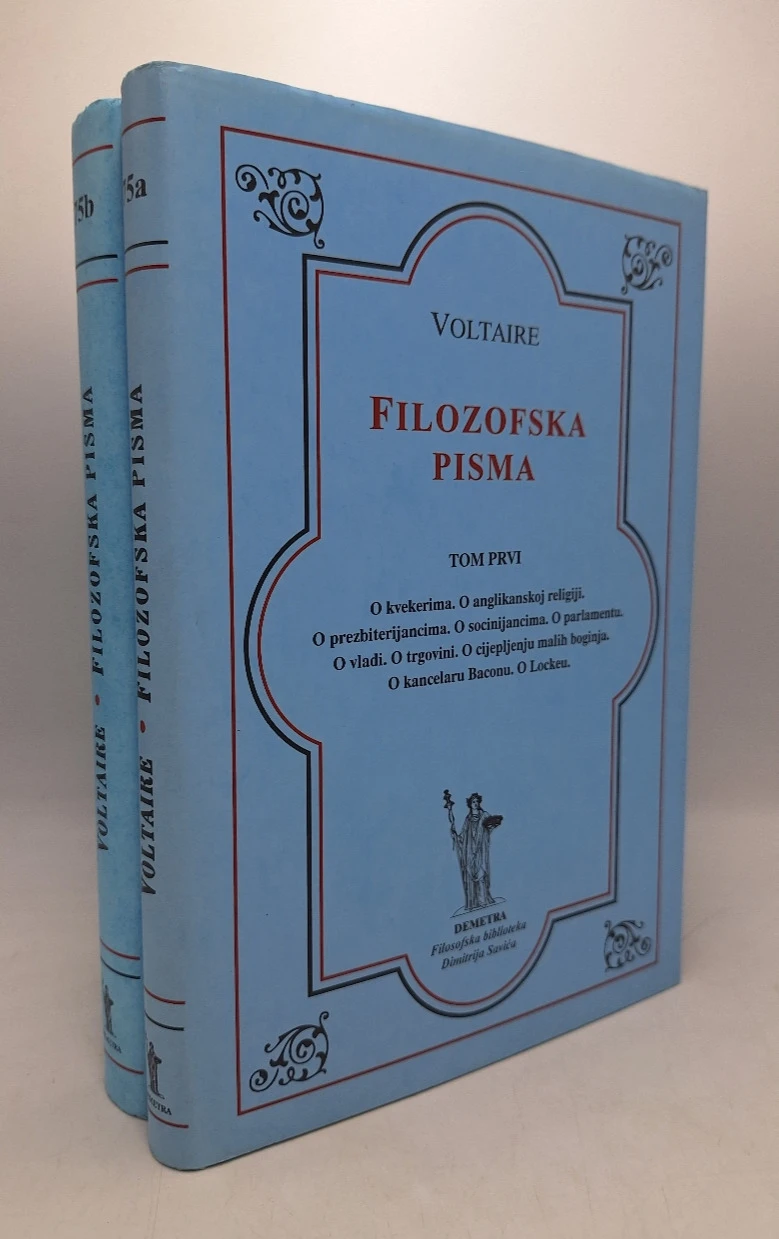
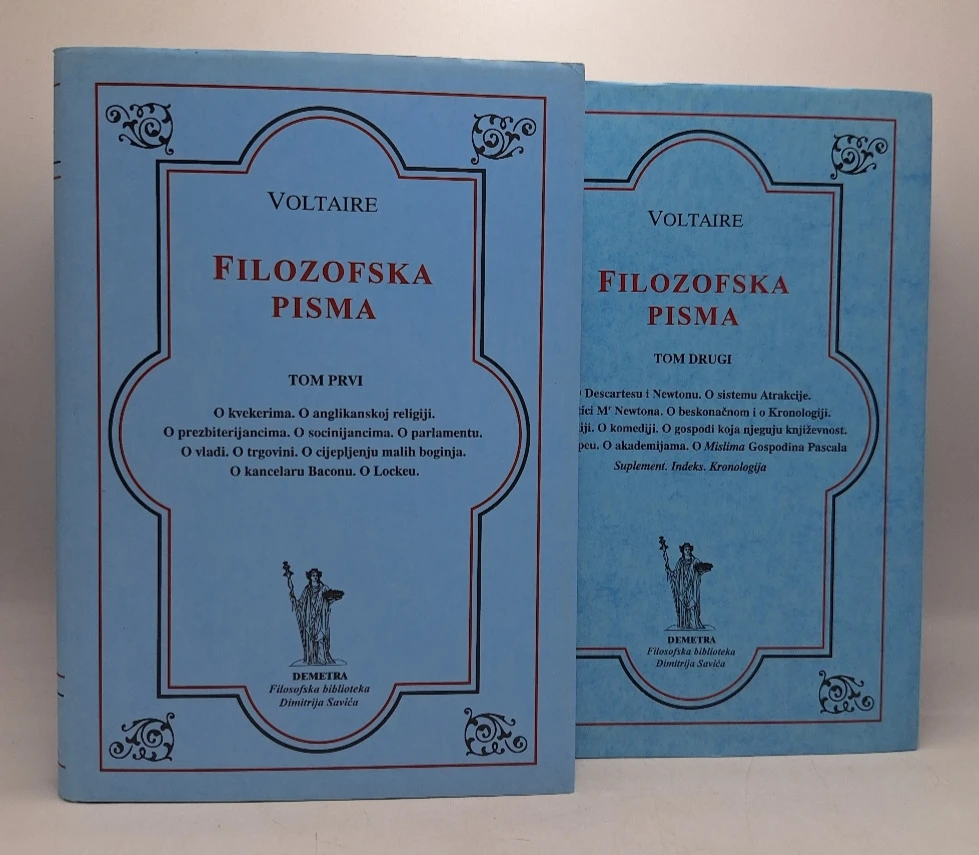
Voltaire: Philosophical Letters I-II
Voltaire (Francois-Marie Arouet de) was born on October 20, 1694 to father Francois Arouet, treasurer of the computing chamber, and mother Catherine Doumart. In 1745 he was appointed historiographer of France, in 1747 he became a regular, and in 1749 he became a chamber noble of the king, he is a member of the French Academy, the Royal Society of London, the Crucean, Bologna and Petrograd Academies. He wrote the following works for the theater: the tragedies Oedipus on October 18, 1718, Artemira on February 15, 1720, Mariamna on March 6, 1724, which was adapted and shown on April 10, 1725 under the title Herod and Mariamna, the comedy Indiscreet in one act and in verse on August 18, 1725, then the tragedy Brutus on December 11 1730, Erifila on March 7, 1732, Zaire on August 13, 1732, Adelaide on January 18, 1734, Algiers on January 29, 1736, then The Prodigal Son or School of Youth, a comedy in five acts and ten plays on October 10, 1736. Tragedies: Zulimu on June 8, 1740, Muhameda on 9 August 1742, Merop on February 20, 1743, The Death of Caesar on August 29, 1743, and The Princess of Navarre, a comedy in three acts and free verse, with a prologue and a ballet insert (set to music by Ra-meau), written for the wedding of the heir to the throne with the Spanish infanta Maria Theresa, and performed on Tuesday 23 and Saturday 27. February 1745. The tragedy Semiramis on August 29, 1748, Nana's comedy in three acts and in verse on June 16, 1749, then the tragedies Orestes on January 12, 1750, Rome Saved on February 24, 1752, the Duc de Foix on August 17, 1752. For the theater of the Royal Academy of Music, he wrote the Temple of Glory, a heroic ballet in 3 acts with a prologue, shown in Versailles on the 25th of XI., and in Paris on the 10th of XII. 1745.
*
(75a, 75b)
Biblos Newsletter
New titles, special copies and quiet recommendations from the antiquarian bookshop.