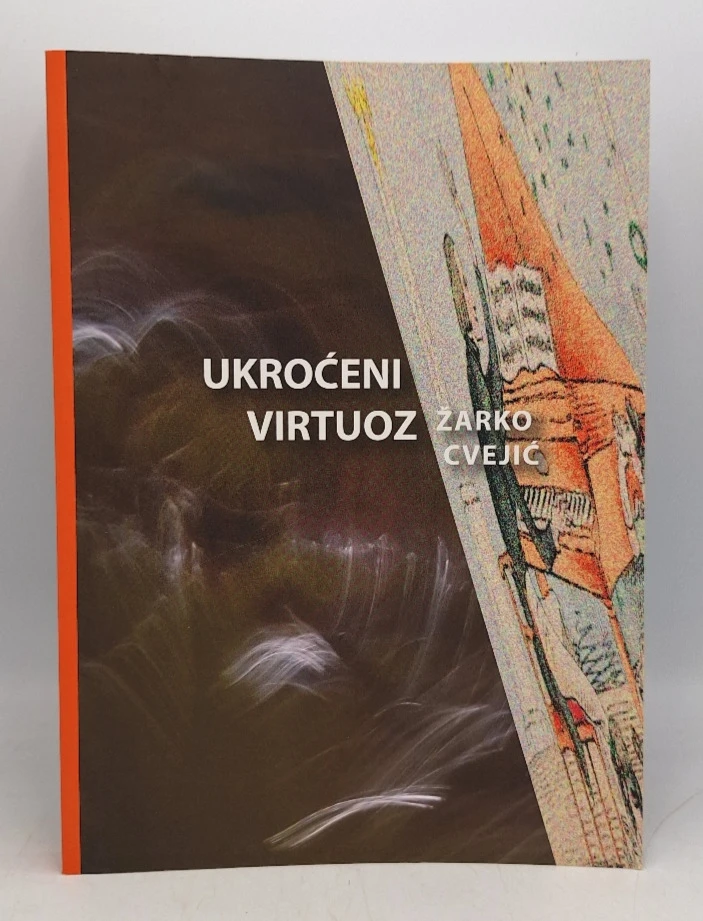
Ukroćeni virtuoz
Basic information
- Author: Cvejić Žarko
- Publisher: Fakultet za medije i komunikacije
- Availability: Available
- Condition: Excellent
- Code: 58832
Shipping options
Payment methods
Explore more
Ukroćeni virtuoz
Cvejić Žarko
Summary
Žarko Cvejić: The Tamed Virtuoso
The book presents a new interpretation of the critical reception of virtuosity in the instrumental art music of Europe in the first half of the 19th century, which in just a few decades went from unproblematic acceptance or even celebration, to growing suspicion, even open hostility in the 1930s and 1940s. century in numerous criticisms of the then leading virtuosos, as well as virtuosity in general. This hostility is interpreted here from the perspective of the aesthetics of that time, the aesthetics of music, as well as the thinking about the topic in German philosophy around 1800. Virtuosity, as a pure physical performance that threatens to overshadow the musical text or, in the case of improvisation, does not address it at all, met with increasing hatred from critics due to its incompatibility with the new philosophical conception of music as an abstract, autonomous, incorporeal, metaphysical art based on a piece of music as a text.
Žarko Cvejić
He is a musicologist who scientific research deals with the critical reception of European instrumental art music of the first half and middle of the 19th century through the prism of the aesthetics and philosophy of music of that time.
Additional information
- Author: Cvejić Žarko
- Publisher: Fakultet za medije i komunikac...
- Year of publication:2016
- Place of publication:Beograd
- Pages:262
- Dimensions:17x24 cm
- Script:Latin script
- Condition:Excellent
- Binding:Softcover
Reviews
0 reviewsWrite a review
Share your experience and help other readers choose.
This item has no reviews yet. Be the first to share your experience.
More books from Fakultet za medije i komunikacije









You may also like










Recently viewed