
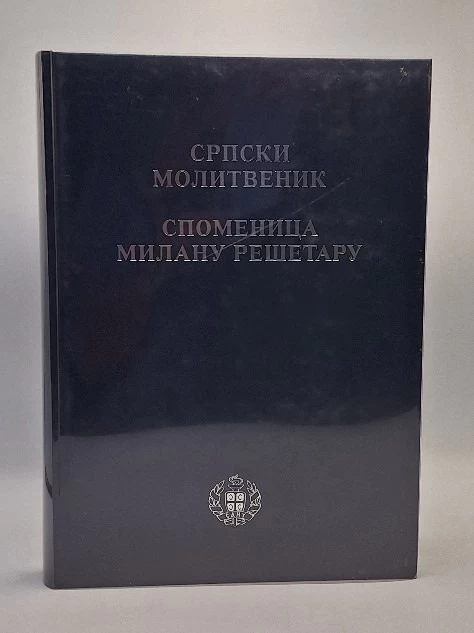
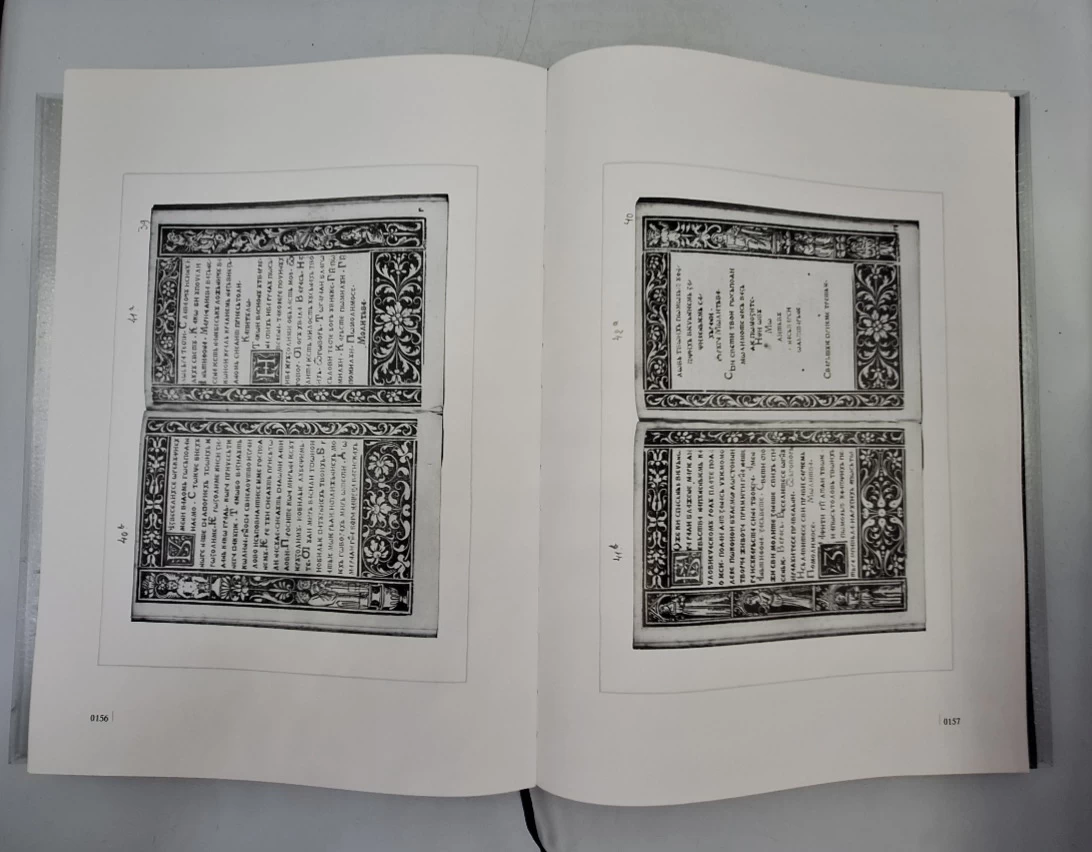
Srpski molitvenik spomenica Milanu Rešetaru
Basic information
- Publisher: SANU
- Availability: Available
- Condition: Excellent
- Code: 58682
Shipping options
Payment methods
Explore more
Srpski molitvenik spomenica Milanu Rešetaru
Summary
Serbian prayer book in memory of Milan Rešetar
The book "Serbian prayer book in memory of Milan Rešetar 1512-1942-2012" was published by the Serbian Academy of Sciences and Arts and the "Đorđe Zečević" Fund for the Advancement and Protection of the Cyrillic Script" in Belgrade in 2016. Predrag Piper is the editor of the edition of the Department of Language and Literature of SANU and the Fund "Đorđe Zečević" for the improvement and protection of the Cyrillic alphabet". The book was printed in 500 copies and has 279 pages. The editors are Jasmina Grković-Mejdžor and Viktor Savić. The first part of the book contains articles dedicated to Dr. Milan Rešetar. Milan Rešetar published the "Serbian prayer book" in 1938. The editors prepared a biography of Milan Rešetar. Gordana Radojčić-Kostić wrote the article Literature about Milan Rešetar. Among the authors of the article are scholars of the history of Dubrovnik. Irena Arsić wrote "From Serbian Athens to the Yugoslav province. Cultural circumstances in Dubrovnik during Rešetar's time (1860-1942)". She emphasized the role of Matija Ban and Meda Pucić in the beginnings of the Catholic Serb movement in Dubrovnik.
About the establishment and work of Serbian societies before the First World War in Dubrovnik. After 1918 and the unification, she wrote about the cultural decline of Dubrovnik and about the attempted cultural work of the Sveti Vlaho society in Dubrovnik. Jelica Stojanović in her article "Milan Rešetar's accessible academic lecture "The Oldest Dubrovnik Speech" summarizes his rich scientific oeuvre". She pointed out that Rešetar proved that the oldest Dubrovnik speech was Štokavian and not Chakavian. Slobodan Remetić in his article "Milan Rešetar as a Dialectologist" highlighted Rešetar's merits for studying the Molish speech in Southern Italy, among other things. Zlata Bojović published the article "Milan Rešetar as a publisher of Dubrovnik writers" in the memorial. She pointed out that the critical editions of Dubrovnik writers edited by Milan Rešetar are his most important contribution to the study of Dubrovnik literature. Gordana Pokrajac in her article "Milan Rešetar's contribution to the study of Dubrovnik anthologies and prayer books" emphasized the pioneering work of "Milan Rešetar in the publication of Dubrovnik anthologies and prayer books. Nebojša Porčić in the article "Milan Rešetar as a historian of Dubrovnik" pointed out that Milan Rešetar was not a half-historian by profession, but a philologist and numismatist. As an erudite, he contributed to the cultural history of Dubrovnik through popular-historical articles.
Aleksandar Milanović in the article "Milan Rešetar as an interpreter and editor of Njegoš's work" emphasized Rešetar's contribution to spreading the influence of Njegoš's works to the wider public. There were also objections. Rešetar did not know Montenegrin dialects very well. As the editor of Njegoš's works, he was also the first commentator on Njegoš. However, as a Vukovac, he did not appreciate the importance of Slavic-Serbian writers (Sima Sarajlija and Mušicki) for Njegoš and his use of Slavic words as well as the creation of new words. Milanović pointed out that Njegoš used Church Slavonic and Russo-Slavic words to give his text nuances that were not possible in the vernacular of the time.
Saša Nedeljković in his article "Milan Rešetar in the Dubrovnik press" emphasized the importance of maintaining the connections between Milan Rešetar and the Dubrovnik newspapers. Through the articles he published in the Dubrovnik press, Rešetar remained present in the Dubrovnik public. Dubrovnik societies headed by Matica Srpski followed Rešetar's work and congratulated him on the recognitions he received.
From the 117 pages of the book, the subject is the prayer book. Vanja Stanišić pointed out in the article "Cyrillic of the Dubrovnik prayer book from 1512" that Rešetar wrote about cursive script and Western Cyrillic. Finally, Slobodan Pavlović's article "The Phonological System of the Serbian Prayer Book of 1512" was published.
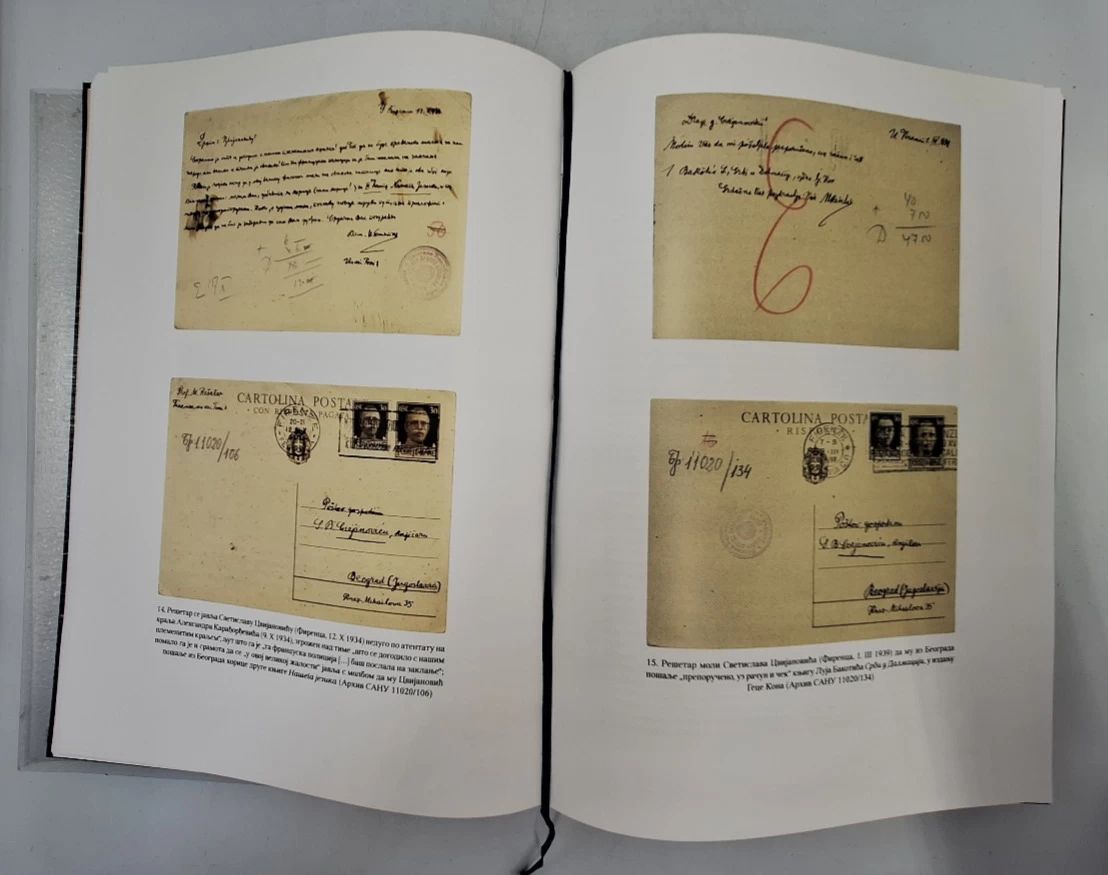
In the 158-page Transcribed Editions, a recorded text of the manuscript of Rešetar's opening speech at the Serbian Royal Academy, read on March 7, 1941, was published. Since Rešetar lived in Florence and could not come to Belgrade, his sermon was read by Aleksandar Beli ć. There are pictures of the prayer book published by Rešetar in 1938. It was a photographic reproduction based on the original from the Paris National Library. The prayer book from the Paris National Library did not have the first leaf of the prayer book. Rešatar used the title page of the printed edition from 1571. The book contains a color reproduction of the first and eighth pages of the prayer book for the first time. The only surviving copy is kept among the Rare Books in the special collections at the Catholic University of America in Washington.
Additional information
- Publisher: SANU
- Year of publication:2016
- Place of publication:Beograd
- Pages:158 279
- Dimensions:25x35 cm
- Script:Cyrillic script
- Condition:Excellent
- Binding:Hardcover
Reviews
0 reviewsWrite a review
Share your experience and help other readers choose.
This item has no reviews yet. Be the first to share your experience.
More books from SANU


You may also like