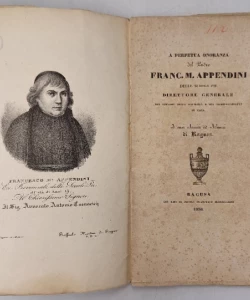


Dvadeset četiri hiljade poljubaca - uticaj italijanske popularne kulture u Jugoslaviji (1955-1965)
Basic information
- Author: Rolandi Francesca
- Publisher: Geopoetika
- Availability: Available
- Condition: New book
- Code: 80479
Shipping options
Payment methods
Explore more
Dvadeset četiri hiljade poljubaca - uticaj italijanske popularne kulture u Jugoslaviji (1955-1965)
Rolandi Francesca
Summary
Francesca Rolandi: Twenty-four thousand kisses - the influence of Italian popular culture in Yugoslavia (1955-1965)
In the first decades of the opening of Yugoslavia to the world, despite complex political relations, Italy was the main "mediator", but also the direct producer and exporter of Western popular culture and the model of consumer society in the country of self-governing socialism. In the game of politics and propaganda slogans ("Trieste is ours!") and the attraction of Trieste department stores, Ponteros, San Remo, Fellini's films, as well as ever-expanding economic ties, economic pragmatism prevailed, but also the wishes and needs of "ordinary" Yugoslavs, who from the mid-1950s through the "Italian window" began to get to know the "Western world", looking for what the meager domestic market could not offer them.
Additional information
- Author: Rolandi Francesca
- Publisher: Geopoetika
- Year of publication:2022
- Place of publication:Beograd
- Pages:225
- Dimensions:15.5x23.5 cm
- Script:Latin script
- Condition:New book
- Binding:Softcover
Reviews
0 reviewsWrite a review
Share your experience and help other readers choose.
This item has no reviews yet. Be the first to share your experience.
More books from Geopoetika












You may also like