Gotičko kiparstvo u Istri
Basic information
- Author: Ekl Vanda
- Publisher: Grafički zavod Hrvatske | Kršćanska sadašnjost
- Availability: Available
- Condition: Very good
- Code: 59874
Shipping options
Payment methods
Explore more
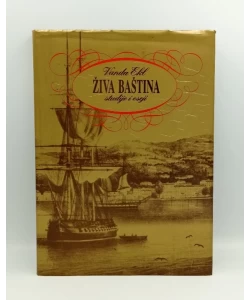
Gotičko kiparstvo u Istri
Ekl Vanda
Summary
Vanda Ekl: Gothic Sculpture in Istria
The monographic work Gothic Sculpture in Istria (the author's doctoral dissertation, 1963 in Ljubljana) is the first synthesis of Istrian Gothic art and a great contribution to our and European science. It gathers her twenty-year research of Gothic plastic in Istria, through which she discovered unknown pages of our past. A large part of the artistic material was only then found, recognized, photographed, recorded and processed. She discovered some sculptures in churches, burial chapels, house attics, basements and storerooms, processed them expertly and scientifically, and increased the number of 17 known Gothic sculptures in Istria to 145. Within the framework and standards of European Gothic, she emphasized the local characteristics of workshops and the individual characteristics of local craftsmen, gave importance and meaning to the regional expression of early and late Gothic in Istria, and on this built evidence of the authenticity and originality of Istrian Gothic sculptures. Few craftsmen left traces of carved or engraved dates or their names. The identity of local Istrian masters, masons and carvers was usually only possible to determine based on their works. She noticed their heavy hand in the processing and their sculptural thought stopped in the space between artistic and artisanal. She often put the name of the workshop instead of the name: Kopar, Ljubljana or Labin (she attributed two Madonnas from Labin to the Labin workshop, one of which has disappeared, the Madonna from Šišan and the Madonna from Plomin). The famous Pula polyptych, the most representative Gothic plastic art in Istria, was attributed to Jakov of Pula, but Vanda Ekl attributed it to the circle of Vivarinius. Only the experienced eye of an expert could determine the belonging to the hand, the workshop, the artistic circle, the influences, and recognize the local masters who nurtured the Romanesque tradition, but hardly accepted the Gothic. The work of classifying by origin, stylistic characteristics, influences and quality and classifying them into stylistic, time and value groups was made difficult by the imported statues (often of first-class quality), which had to be separated from those created in domestic workshops, often with retardations, based on tradition. The legacy of domestic masters is uneven in terms of style and value, but Vanda Ekl knew how to perceive the value of domestic sculpture measured not only by aesthetic criteria, but also by the life of the region and time in which the work was created.
Additional information
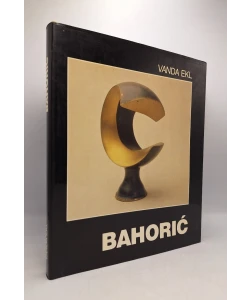
- Author: Ekl Vanda
- Publisher: Grafički zavod Hrvatske | Kršć...
- Year of publication:1982
- Place of publication:Zagreb
- Pages:157
- Dimensions:24.5x30.5 cm
- Script:Latin script
- Condition:Very good
- Binding:Hardcover with dust jacket
Reviews
0 reviewsWrite a review
Share your experience and help other readers choose.
This item has no reviews yet. Be the first to share your experience.
More books by Ekl Vanda
You may also like



Recently viewed