
Summary
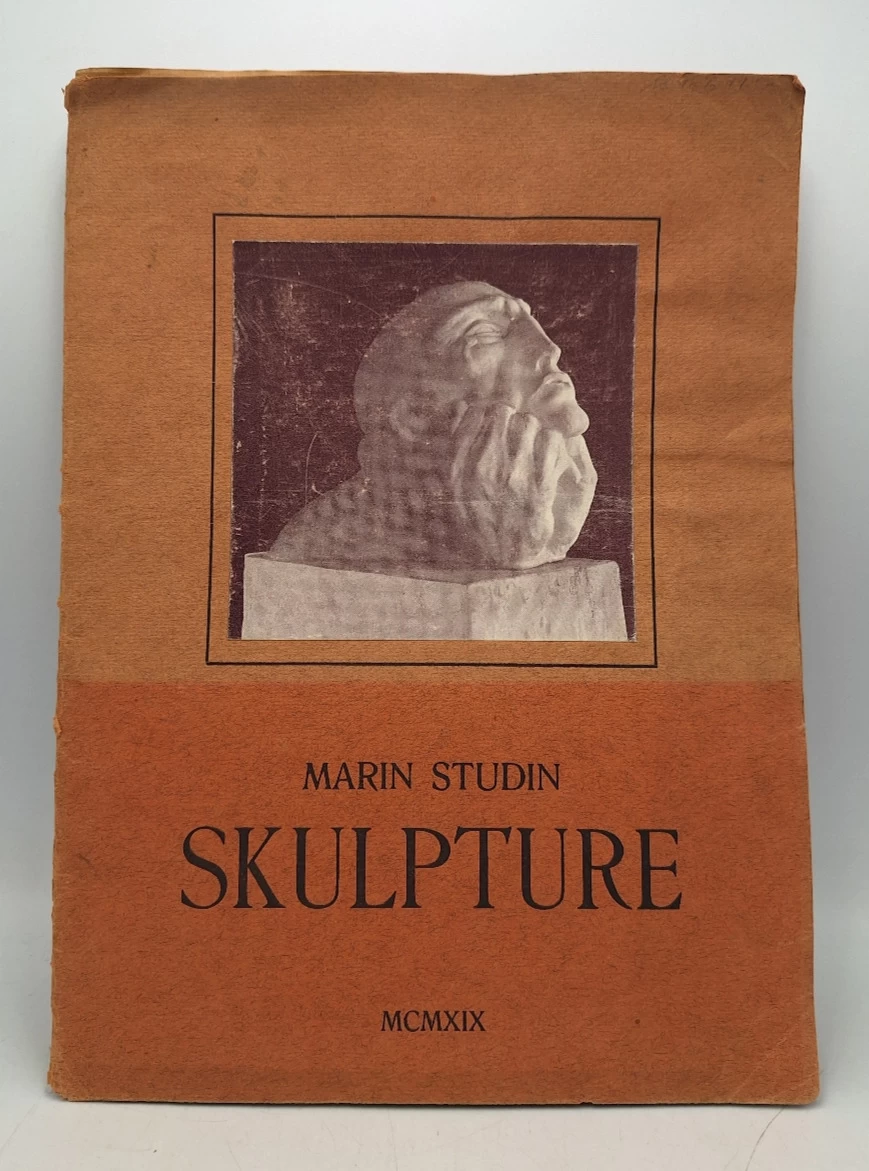
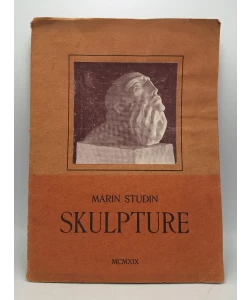
Marin Studin sculptures
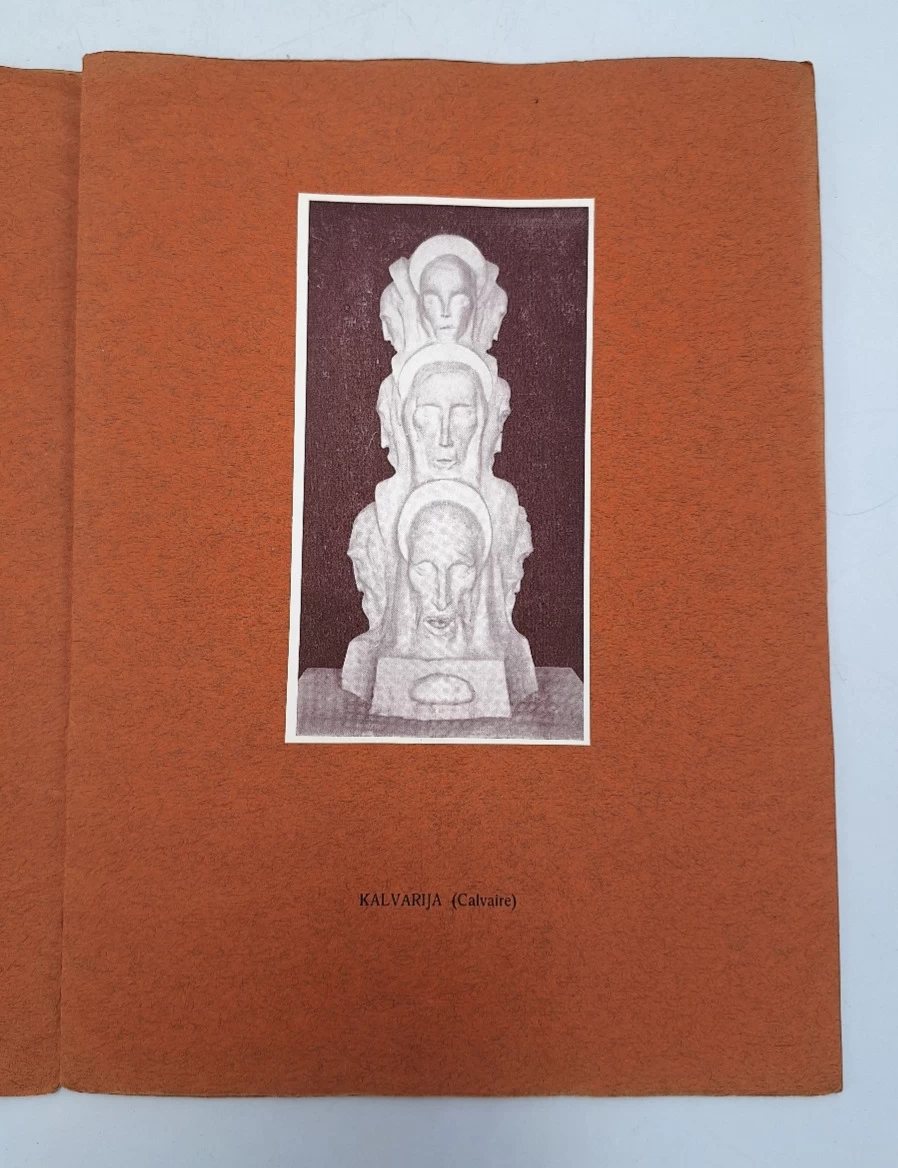
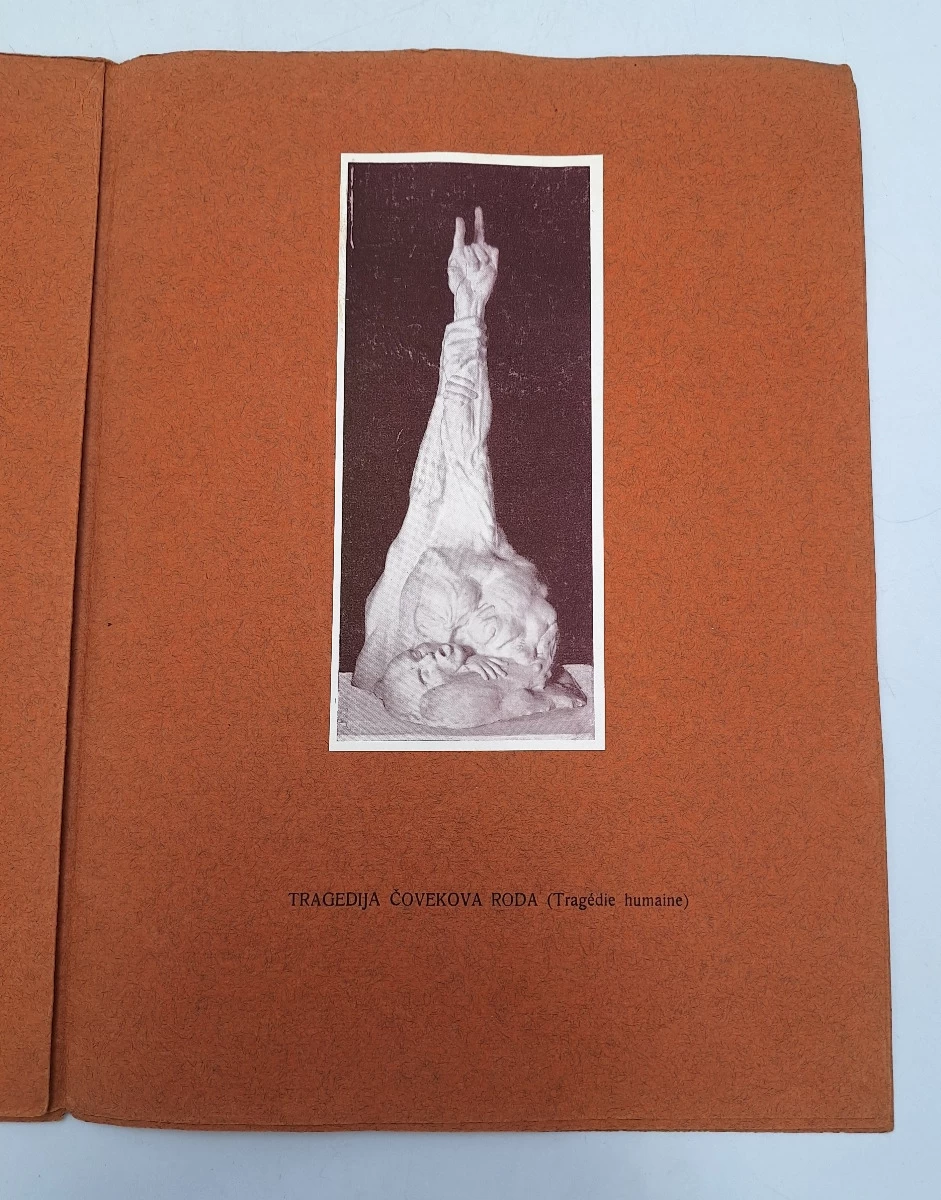
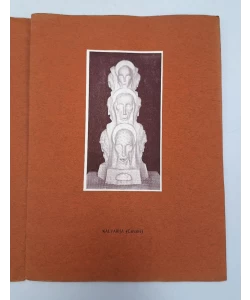
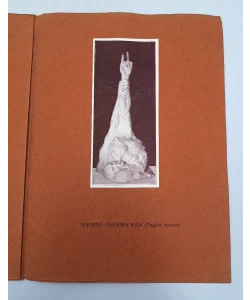
With images of 5 sculptural creations on non-imported cardboard, which are accompanied by a short study by an unknown author. Studin, Marin, Croatian sculptor (Kaštel Novi, November 28, 1895 – Split, August 15, 1960). Studied at academies in Zagreb, Vienna and Prague, and with A. Bourdelle in Paris (1921–22). Between the two world wars, he was an art pedagogue at secondary schools, and then at academies for applied art in Belgrade and Zagreb. At first, in Art Nouveau style, he created sculptures inspired by universal symbolism (Melancholy, Revenge, Longing, The Tragedy of Man's Work), then in further development, under the influence of folk art, he worked in stone and wood with expressionistic biblical compositions and figures of fishermen, peasants and shepherds. After II. during the Second World War he created large reliefs in wood, in which he strongly expressed the terror and suffering of the victims (Crni dani), and monumental sculpture in stone (Kaštel Stari, Novi Sad, Niš). (Source: Croatian encyclopedia)
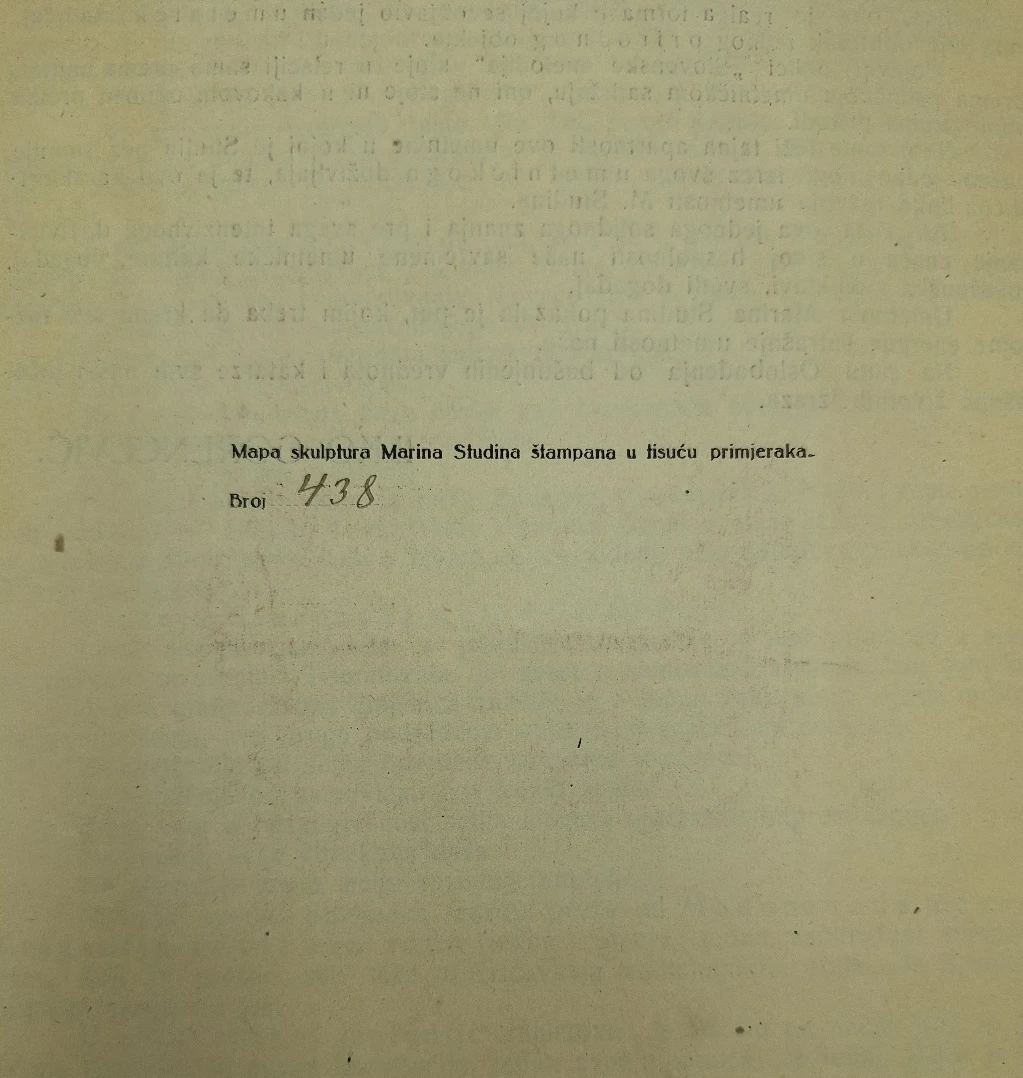
bibliophile numbered edition
Marin Studin - was born in 1895 in Kaštel Nova in a family from Žabljak. He acquired his first knowledge of fine arts and craftsmanship from Emanuel Vidović at the Building, Craft and Art School in Split, and continued his further education in Zagreb and Vienna. In 1921 and 1922, he stayed in Paris, where he attended two semesters at the Academie de la Grande Chaumiere and worked in Antonio Burdelle's workshop. He finished his education at the Academy of Arts and Crafts in Zagreb, where he was signed by Rector Ivan Meštrović. Between the two wars, he worked as a high school teacher. During World War II, he lived and worked in Split until 1994. As a member of the anti-fascist movement, he organizes an illegal exhibition in his apartment as a counterpart to the fascist "Mostra d'arte". In the period from 1947 to 1955, he taught at the Academy of Fine Arts in Belgrade and the Academy of Fine Arts in Zagreb. He died in Split in 1960 as a retired professor. The collection includes 68 works.
This item has no reviews yet. Be the first to share your experience.
Biblos Newsletter
New titles, special copies and quiet recommendations from the antiquarian bookshop.