

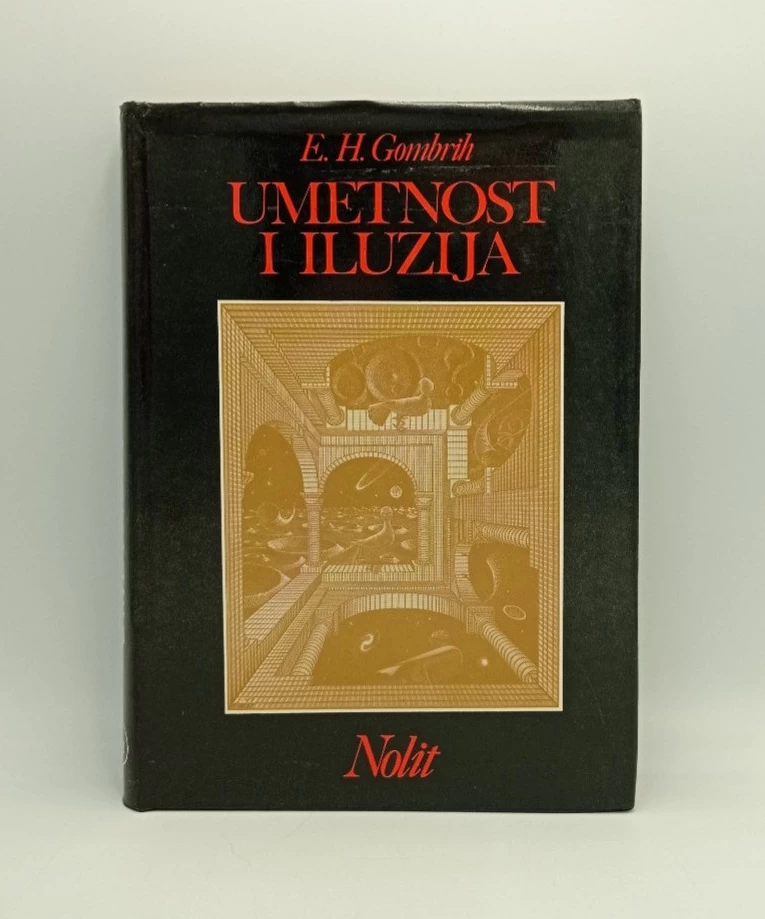
Umetnost i iluzija - Psihologija slikovnog predstavljanja
Basic information
- Author: Gombrich Ernst
- Publisher: Nolit
- Availability: Available
- Condition: Very good
- Code: 27856
Shipping options
Payment methods
Explore more
Umetnost i iluzija - Psihologija slikovnog predstavljanja
Gombrich Ernst
Summary
Art and Illusion - Psychology of Visual Representation
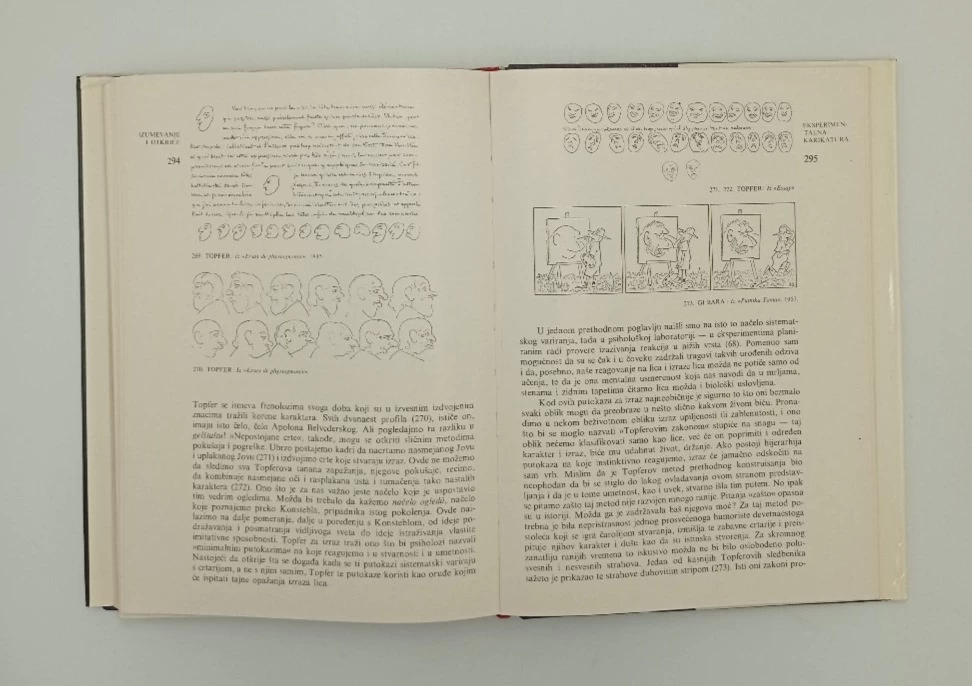
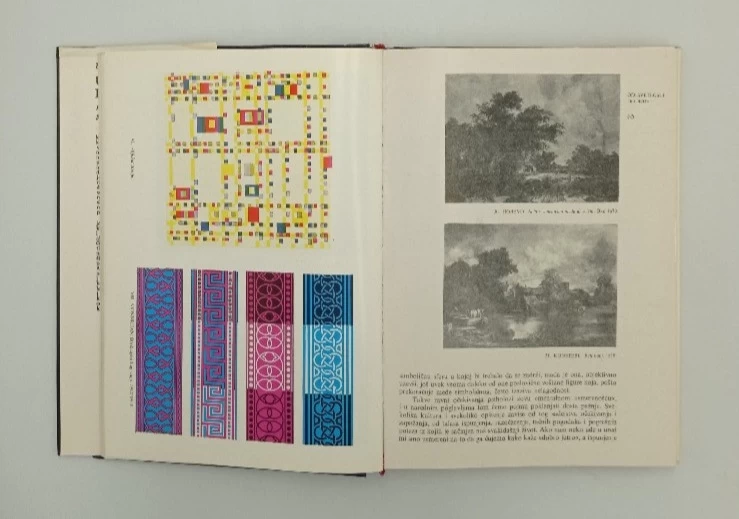
"Art and Illusion: Psychology of Visual Representation" (eng. Art and Illusion) is an epoch-making work of the Austrian-British art historian Ernst Gombrich from 1960. The book was based on his lectures held in 1956 at National Gallery of Art in Washington. It is considered one of the most important and influential texts of the 20th century in the fields of art history, visual perception and cognitive psychology.
Gombrich starts from a seemingly simple question: Why did different eras and cultures depict the visible world in such different ways? Why, for example, did the ancient Egyptians not paint the way the Impressionists did, even though both looked at the same physical world? Rejecting the idea that human eyes have changed physiologically throughout history or that earlier civilizations were simply not skilled enough, Gombrich looks for an explanation in the psychology of perception and the role of tradition. [1, 2, 3, 4, 5]
Additional information
- Author: Gombrich Ernst
- Publisher: Nolit
- Year of publication:1984
- Place of publication:Beograd
- Pages:368
- Dimensions:18.5x25 cm
- Script:Latin script
- Condition:Very good
- Binding:Hardcover with dust jacket
Reviews
0 reviewsWrite a review
Share your experience and help other readers choose.
This item has no reviews yet. Be the first to share your experience.
More books from Nolit








You may also like






Recently viewed