
Franz Kafka, a genius who did not believe in his literary talent

Writer Franz Kafka was born in Prague in 1883 in a family with six children belonging to the middle class.
After the death of two of his brothers, Kafka became the eldest child and was aware of this role for the rest of his life.
His three younger sisters later lost their lives in Nazi camps.
He spent his childhood in solitude surrounded by a nanny, a cook and a maid. He suffered from being left to himself, as well as from a lack of emotional connection with his parents who spent most of their time working in their shop.
Franz's father was extremely authoritarian, and his gentle mother was not strong enough to stand up to him.
Although the writer strongly identified with his mother's relatives, due to their spirituality, delicate physical structure and melancholic nature, he was not close to his mother.
Growing up in such circumstances, Kafka began to withdraw from the outside world into the world of imagination.
Both parents did not understand that their son was dedicated to writing, considering it a non-profit and "unhealthy" profession.
Relationship with his father
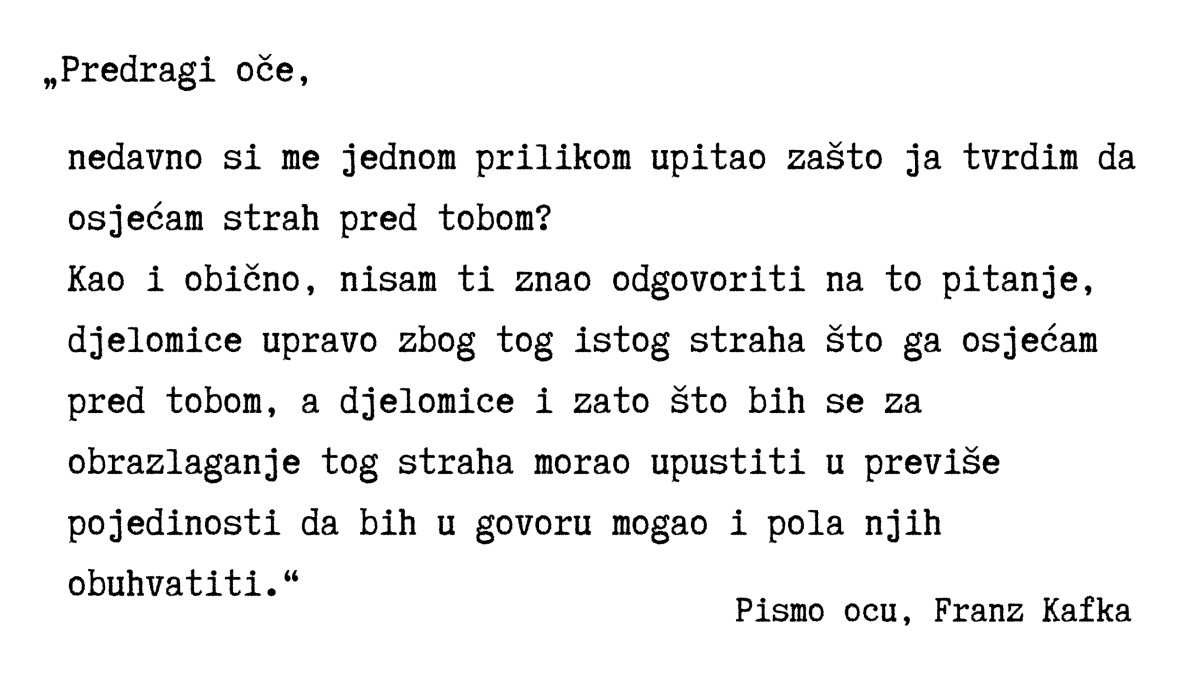
Photo: Marijana Matijević
Kafka's father was a business man, focused on acquiring material goods, who behaved like a tyrant in his household. His wife supported him, so the children grew up because of such a family atmosphere.
In fact, the writer felt oppressed all his life because his father did not allow him to make decisions independently.
After he broke off his engagement to Felice Bauer, which was largely abetted by his father, who did not support the relationship, Kafka became completely distant from him.
At the age of 36, he wrote a letter in which he called out his father for the emotional abuse and constant disapproval that marked his childhood.
It was a violent outpouring of anxiety and disappointment that accumulated 30 years.
The letter was later published in the book Letter to my father.
"In order to run away from you, I had to run away from my family as well as my mother."
Letter to my father, Franz Kafka
Letters fiances Felice Bauer
The future fiancés met at the house of Kafka's friend Max Brod on August 13, 1912 in Prague.
Franz wrote down the first impressions in his diary:
"She was sitting at the table. Bony, empty face that openly bore its emptiness. Bare throat. Blouse thrown up. Almost broken nose. Blue, somewhat flat unsightly hair, strong beard."
Soon after they met, Kafka began to send her daily letters. He openly expressed his dissatisfaction when Felice did not answer him immediately.
For example, in one letter he criticized her for neglecting him, only to ask for forgiveness in another.
Kafka's letters to his fiancees, of which there are more than 500, reveal his constant struggle between the need for emotional and family life on the one hand and demands for solitude and writing on the other.
Franz Kafka and Max Brod
Although he was a very successful author himself, Max Brod was primarily remembered as Franz Kafka's best friend and biographer.
They met at university. Brod gave a lecture about the great philosopher Arthur Schopenhauer, which probably impressed Kafka, because he later approached him and accompanied him home. Since then, they saw each other almost every day.
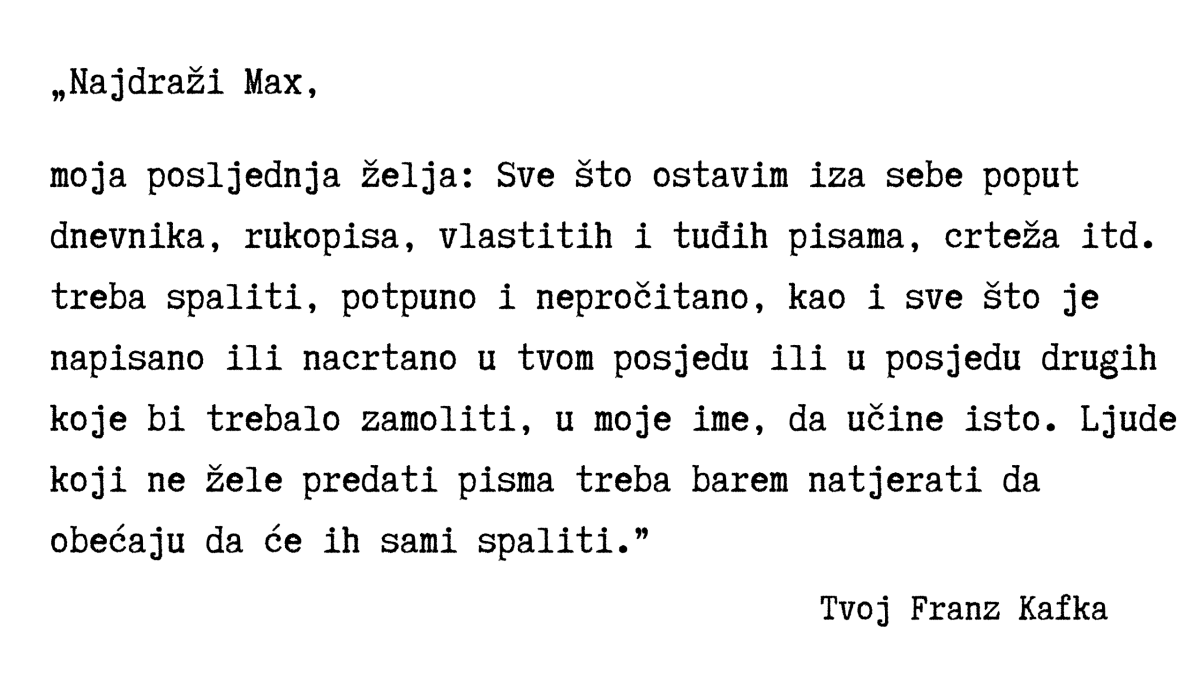
Max Brod supported the unknown native of Prague throughout his life, trying to strengthen him and encourage him to believe in himself and his literary talent.
After his death, Kafka left him all his works with the order to destroy them. However, Brod did not do that but, convinced of their great value, ness for humanity, published and thus turned an anonymous writer into one of the greatest writers of all time.
Photography: Marijana Matijević
Writing style and literary influence
Kafka's writing style seems simple, but the word is about deep philosophical works. It can be said that sometimes it is necessary to read the story several times in order to understand "what the writer wanted to say".
Kafka's novels are metaphorical and focus on the absurdity of life. In his works, the writer enters the minds of the protagonists, analyzes their psyche and the motives that make them behave in a certain way.
The characters often find themselves in bizarre situations and are constantly searching for meaning. They accept fate without resistance.
Kafka's distinctive style combines:
- realism
- expressionism
- surrealism
With his work, he influenced numerous world writers, for example the existentialists Camus, Sartre, as well as absurdists like Beckett and Ionesco.
Works of Franz Kafka
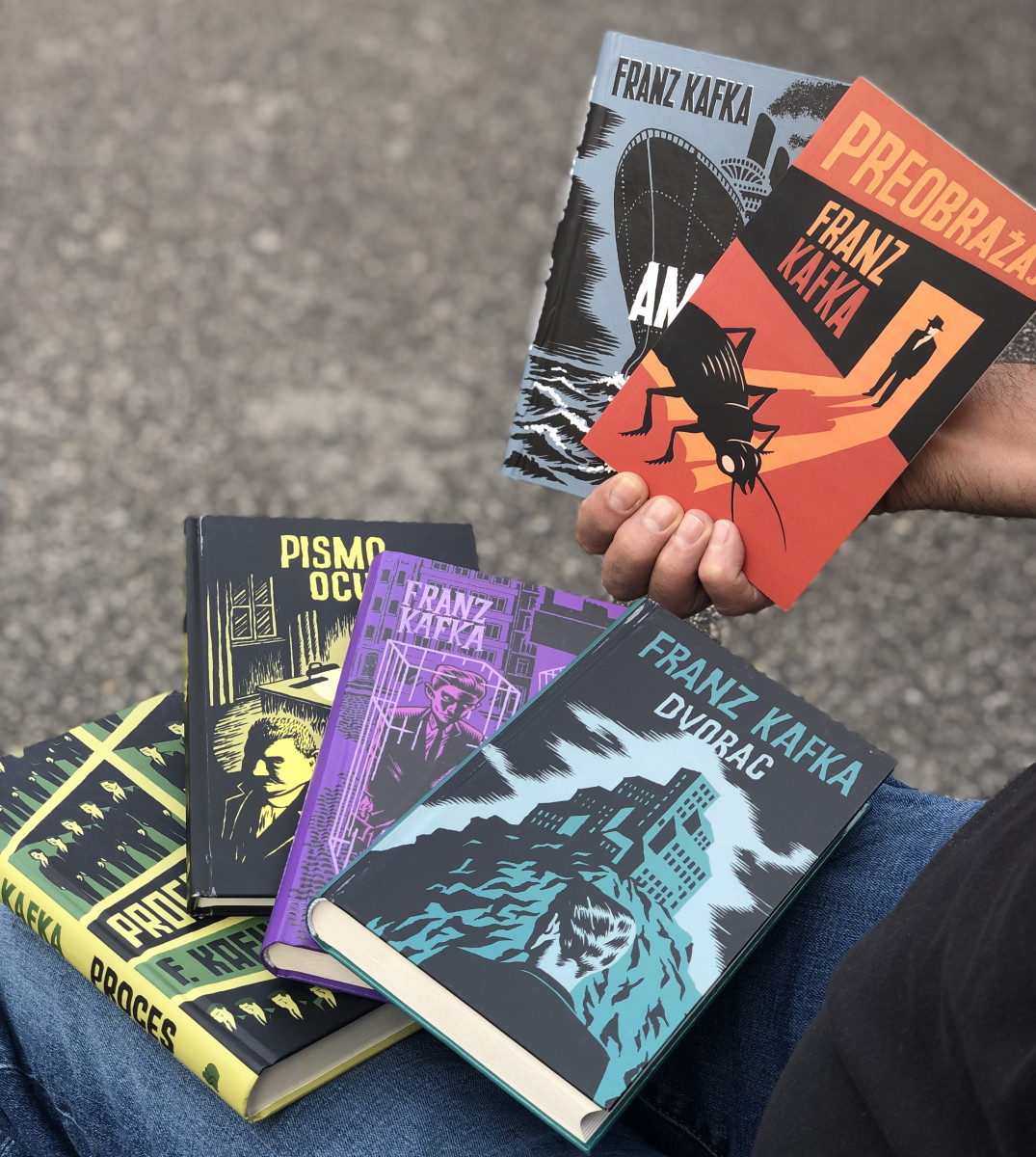
Photo: Marijana Matijević
The Process
It is a masterpiece of world literature that was published one year after Kafka's death.
The Process is a chilling story about Josef K., a respectable bank employee, who one morning two agents of an unidentified agency knock on his door. He is arrested out of the blue and has to defend himself even though he has no information about why he was accused.
The novel is synonymous with absurd situations that everyone can find themselves in during their life. If he finds himself in circumstances for which he is not to blame, and there is no rational explanation for them, the only thing a person can actually do is to accept, like the protagonist of the Process, the situation he is in.
Transformation
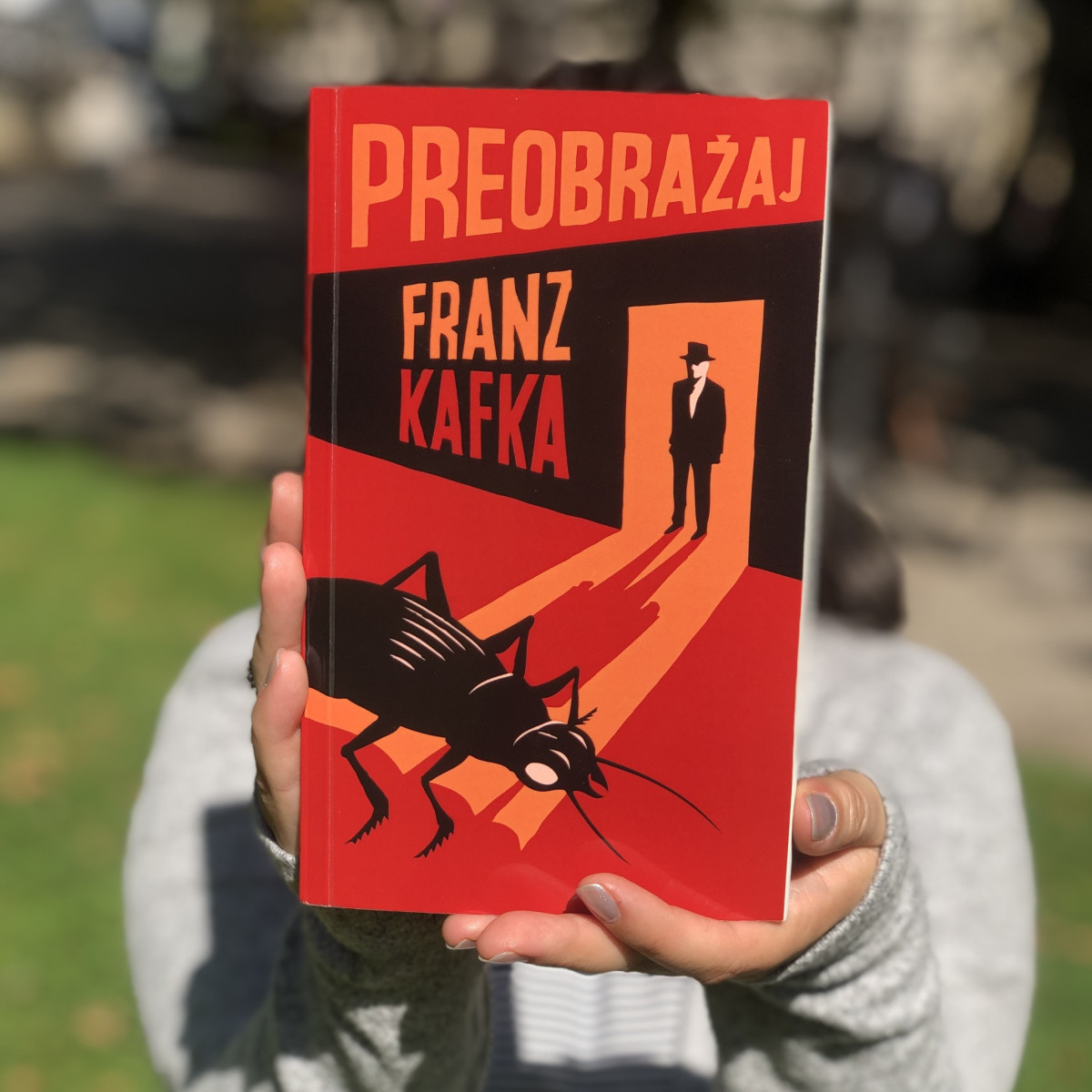
Photo: Marijana Matijević
"One morning, when Gregor Samsa woke up from restless dreams, he discovered that he had turned into a huge insect in his bed."
Transformation, one of Kafka's most famous works, is the story of a young man who inexplicably turns into a giant insect overnight.
The main character is an outcast in his own home, his family hates him and wants to get rid of him so as not to embarrass them. For them, he represents nothing more than an ordinary worker who supports them. After the transformation, when he can no longer fulfill that role, he becomes only a great burden to them.
Gregor Samsa, an essentially alienated man, despite being rejected by those closest to him, still retains empathy and feels love for his family.
The novel has an atmosphere of insecurity, fear and anxiety.
Letter to father
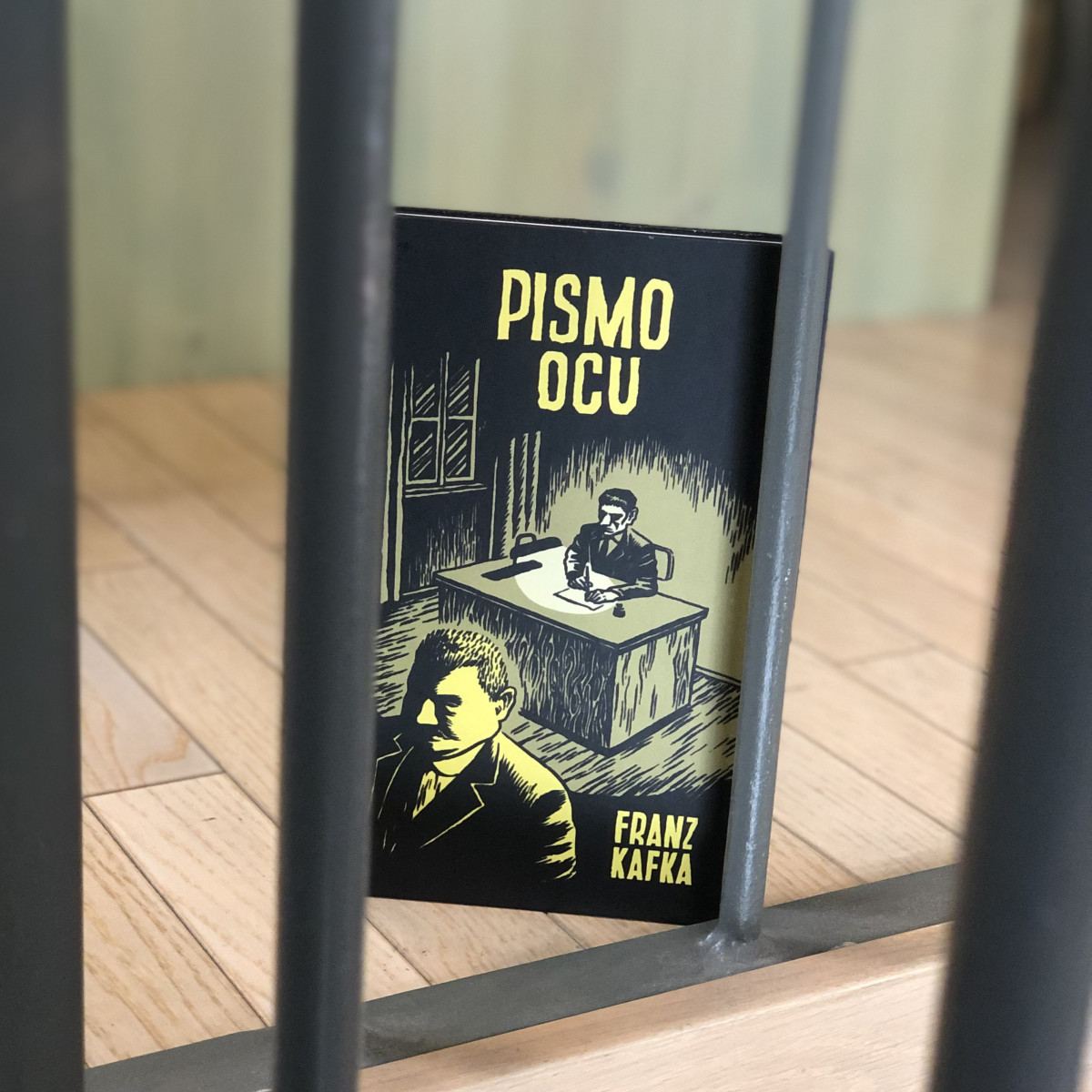
Photo: Marijana Matijević
Kafka wrote the letter at the age of 36, and in it he describes his difficult relationship with his narcissistic father. Franz was terribly afraid of him all his life, and in the letter, in at one point, he pointed out that it was his own fault because he was a timid child.
The author admits the deep shame and alienation he felt while growing up. Neither professionally nor privately could he impress his arrogant and authoritarian father.
The great writer suffered from a chronic lack of love and acceptance within his own family.
The relationship with his father marked Kafka's entire life and is somehow reflected in all his works.
The artist in to starvation
The book deals with the themes of alienation, art and spiritual poverty. The main character, a starving artist, faces the misunderstanding of his audience.
and that's right, the hungry artist says they shouldn't because he was fasting anyway just because he couldn't find the food he likes.Amerika
Amerika is Kafka's first novel. The story follows the young immigrant Karl Rossmann, whose parents, after an affair with the family cook, send him across the ocean from Prague as punishment.
A good-natured young man tries to find his place in a new, hostile environment.
He invests in education, tries hard and works, but without success. Suffer injustice. The promised land is not favorable to him.
Prepared by: Marijana Matijević
Biblos Newsletter
For book lovers who enjoy finding the rare
New titles, special copies and quiet recommendations from the antiquarian bookshop.