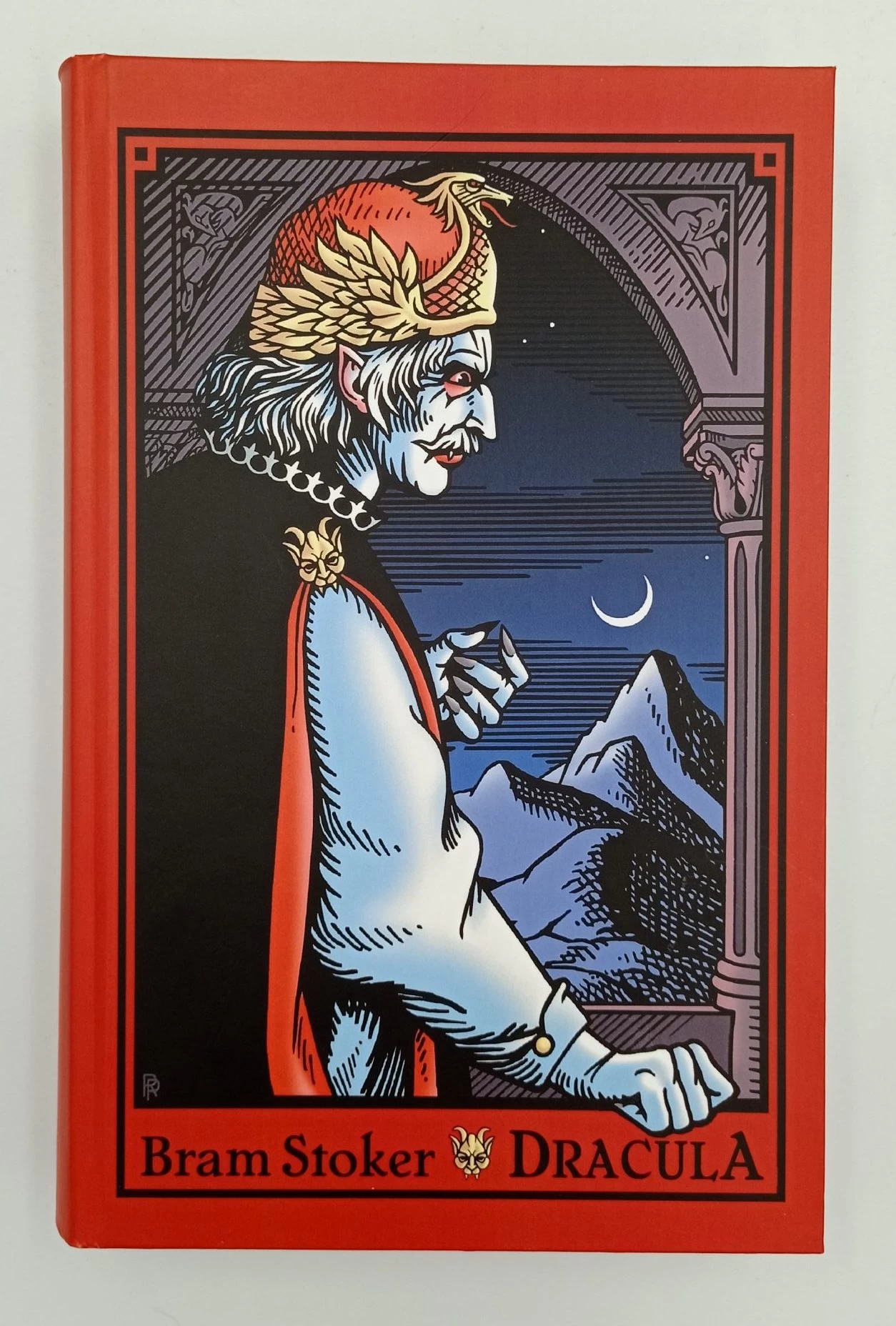
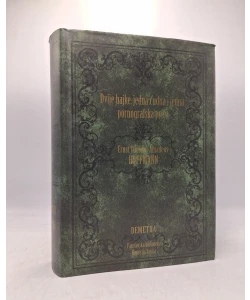
Bram Stoker: Dracula
"No one has ever managed to convey Dracula on the screen as well as Bram Stoker wrote it", said Christopher Lee, icon of film horror. And he was right! Although "ancient" and "too old" and, unfortunately, greatly underestimated and unfairly trivialized, the novel Dracula surpasses everything that has been written (or recorded) in that literary (and film) subgenre, and easily sweeps away all the newer emo and indie competition! A reader who has not looked into the windows of bookstores for a long time may think that the tradition of writing this type of prose is unfashionable and that it cannot be interesting for today's book lover, but already upon a cursory inspection of the sales and popularity of published literary works, they will notice the exact opposite: at the very top are extremely popular "vampirology" novels with romantic bloodsuckers, sold in tens of millions of copies, but still far behind Stoker's in terms of quality classic! What raised Dracula above those newer make-up and older Gothic competition is the high literary level, the masterful management of the plot, as well as the immeasurable trace and influence on the overall popular culture. Additional impressiveness is provided by the presentation of the plot, creative from today's point of view: the book is written in epistolary form, as a collection of diary entries, telegrams, letters, notes from ship's logs, and clippings from newspapers, all of which contribute to the realistic impression of this fantastic narrative. Stoker unsurpassedly juxtaposed, we would say, "soap" symbols within the late Victorian society: opposite the bloodthirsty earl, he places a bourgeois family; Dracula represents a frantic and painful passion, these charming emotions and prudence; "Undead" physically and erotically, "mortal" repressed and spiritualized love. And there is, of course, the excellent "leader of the opposition", doctor and professor Abraham van Helsing, the sworn enemy of strigons or werewolves of all kinds, the superman of the 19th century, introduced to the team of the righteous so that the forces of science and reason could more easily oppose blood-thirsty evil spirits and villains. The vampire myth, probably as old as humanity, is obviously very inspiring because countless books and comics have been written and drawn on the subject, and countless music and movies have been recorded. Dracula is the "main star" in over a hundred film adaptations, and even today, more than a century after the novel was written, based on the perception of that character and work by readers, listeners and viewers, we can freely state that Vlad still rules and that nowadays he is a worldwide synonym of fear and horror. A similar phenomenon is the novel, not without reason one of the most popular of all time, which, despite everything, is written so fluently and juicy that it doesn't fall out of your hands! This is the ultimate "undead" quality confirmed over three centuries!