
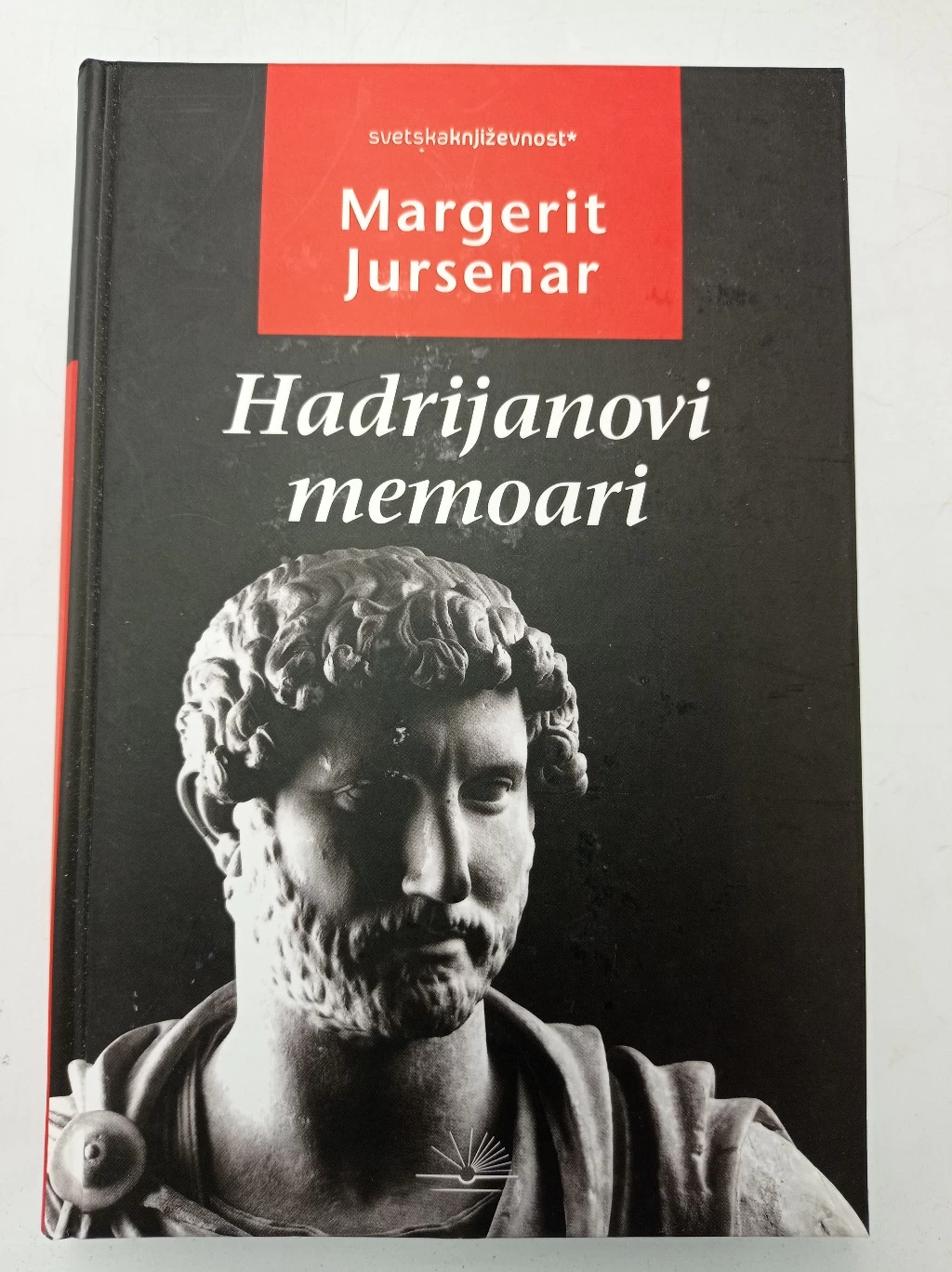
Hadrijanovi memoari
Basic information
- Author: Yourcenar Marguerite
- Publisher: Kosmos - Nova knjiga
- Availability: Available
- Condition: New book
- Code: 48691
Shipping options
Payment methods
Explore more
Hadrijanovi memoari
Yourcenar Marguerite
Summary
Marguerite Yourcenar: Hadrian's Memoirs
The work is conceived as a letter that Emperor Hadrian writes to his successor Marcus Aurelius. Caru is only sixty years old, but he is seriously ill. The book, which is at the same time a novel and history and poetry, was hailed by world critics as a special event. Imagining the memoirs of a Roman emperor, the author wanted to "restore from the inside what the archaeologists of the 19th century restored from the outside." Judging impartially his human life and his political work, Hadrian does not forget that Rome, despite its greatness, will one day fall. But his Roman realism and the humanism inherited from the Greeks encourage him to feel the importance of thinking and serving to the end. "I feel responsible for the beauty of the world," says this hero whose problems are the problems of man in all times: mortal dangers that threaten civilization from the outside and the inside, the search for a harmonious coexistence between happiness and "divine discipline", between intelligence and will.
Additional information
- Author: Yourcenar Marguerite
- Publisher: Kosmos - Nova knjiga
- Year of publication:2018
- Place of publication:Podgorica
- Pages:286
- Dimensions:15x21 cm
- Script:Latin script
- Condition:New book
- Binding:Hardcover
Reviews
0 reviewsWrite a review
Share your experience and help other readers choose.
This item has no reviews yet. Be the first to share your experience.
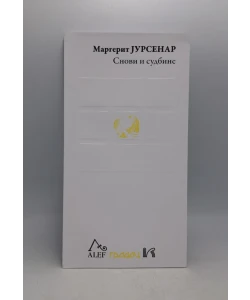
More books by Yourcenar Marguerite
More books from Kosmos - Nova knjiga




You may also like