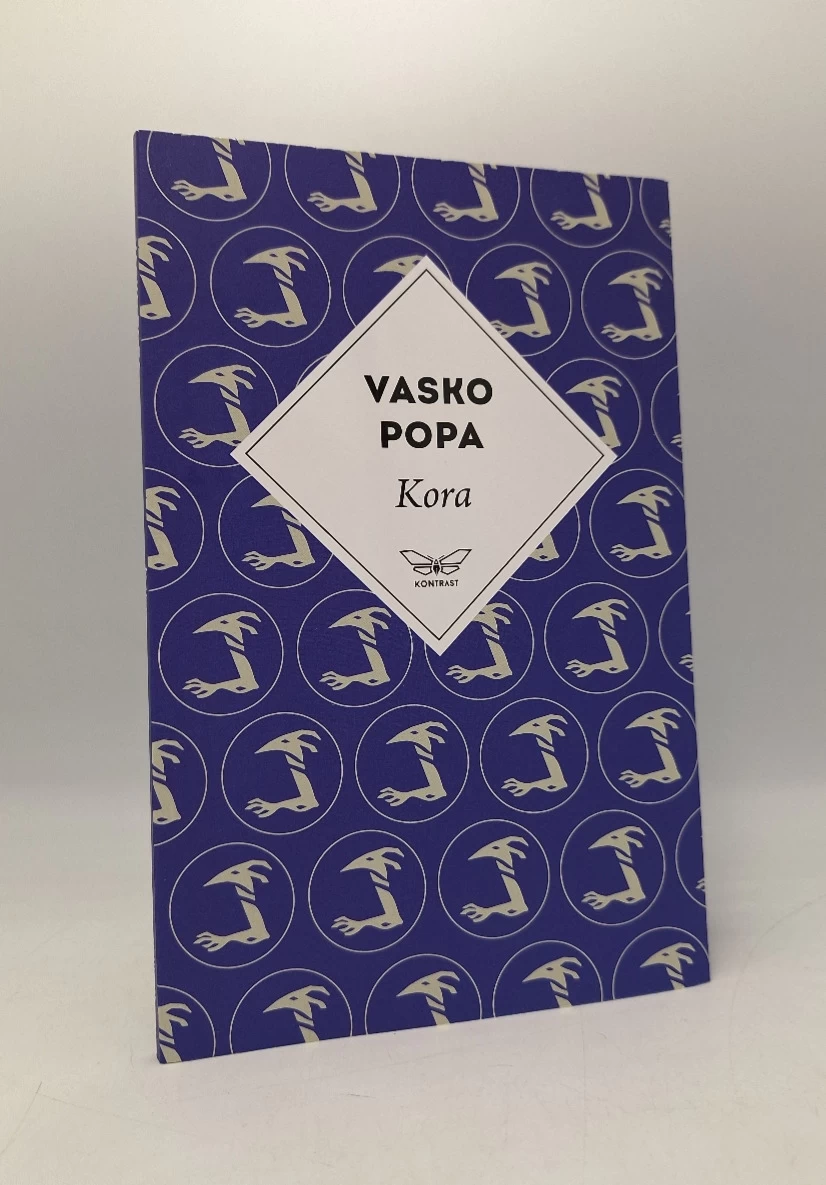
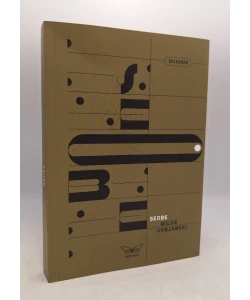
Kora
Basic information
- Author: Popa Vasko
- Publisher: Kontrast izdavaštvo
- Availability: Available
- Condition: New book
- Code: 80361
Shipping options
Payment methods
Explore more
Kora
Popa Vasko
Summary
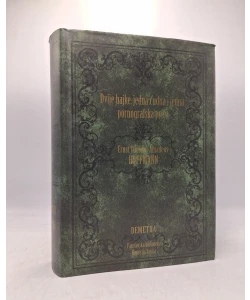
Vasko Popa: Kora
When it appeared in 1953, the poetry collection Kora became the subject of one of the most important public polemics about the aesthetic values of Serbian poetry. Milan Bogdanović criticized Popa's language and style, evaluating Kora as "surrealist ravings without meaning", while, on the other hand, Zoran Mišić emphasized the logical essence and comprehensibility of Popa's poetic images. Kora therefore marks a break with the dominant model of socialist realism and significantly determines the further course of Serbian poetry.
Escaping subjectivity, descriptiveness and individual sensitivity, Vasko Popa in the sixty poems of Kora shapes the experience of the world of a modern man from the city environment in a cold, "objective", but consistently metaphorical language - feelings of discomfort, threat and fear - and primarily begins a journey towards understanding the archetypal basis of modernity that will determine his later books.
Additional information
- Author: Popa Vasko
- Publisher: Kontrast izdavaštvo
- Year of publication:2021
- Place of publication:Beograd
- Pages:84
- Dimensions:12.5x19.5 cm
- Script:Latin script
- Condition:New book
- Binding:Softcover
Reviews
0 reviewsWrite a review
Share your experience and help other readers choose.
This item has no reviews yet. Be the first to share your experience.
More books by Popa Vasko

More books from Kontrast izdavaštvo





You may also like




Recently viewed