

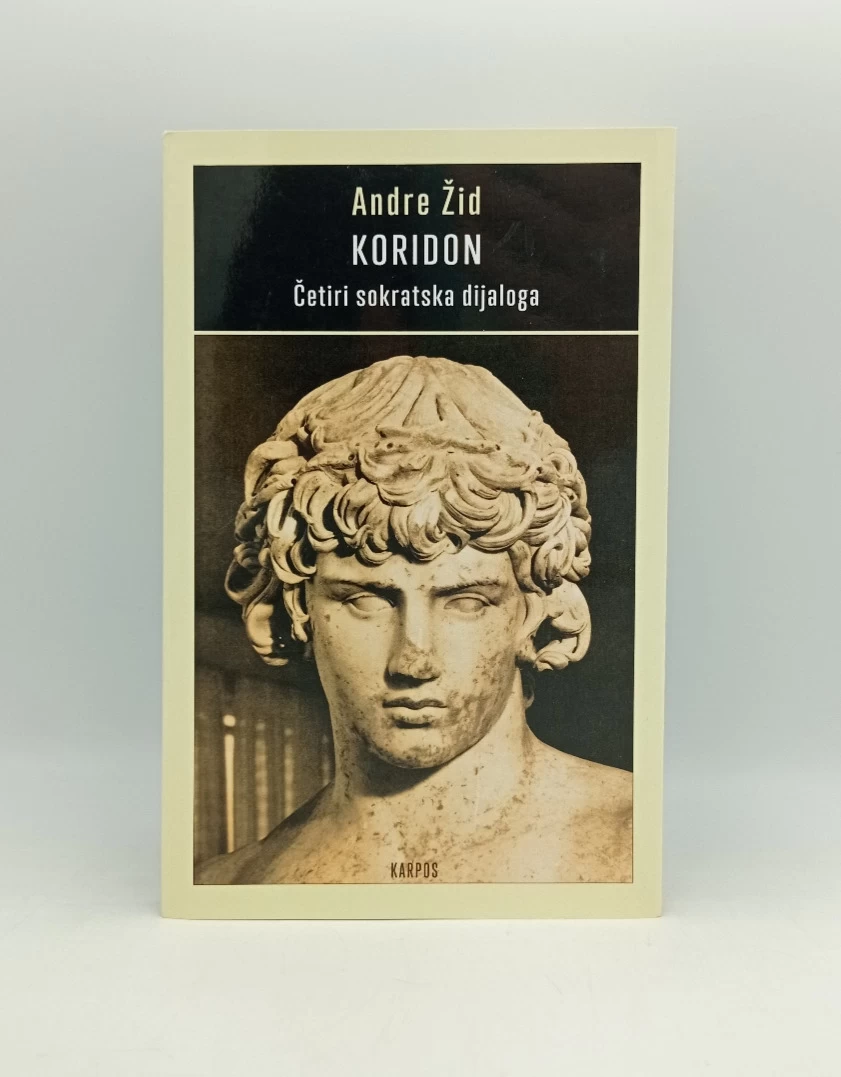
Koridon
Basic information
- Author: Gide Andre
- Publisher: Karpos
- Availability: Sold out
- Condition: New book
- Code: 53270
Shipping options
Payment methods
Explore more
Koridon
Gide Andre
Summary
Andre Gide: Corridon
Four Socratic dialogues
Four Socratic dialogues with Corridon - a doctor for the soul - are neither a confession, nor a pamphlet, nor an overview of sexual practices and experiences, but an experiment that sheds light on the delicate topic of Uranism - an experiment that wants "to be honest, not cynical, and natural in a simple way". Relying on Montegne, Pascal, Spinoza, and above all on ancient Greece, Gide writes about love "which must not speak its name", but does not write its one-sided apology. The fear of "Socratic love" is the fear of the collapse of the social order, and it is clear from the example of ancient Greece that these fears are unjustified and irrational, and that as such they are only suitable for manipulation by various types of social and political power. The joy of life that, above all else, radiates from this text is one of the author's strongest arguments.
Coridon appeared for the first time in 1911 (in only 11 copies), and was published in its entirety in 1924. Although it brought him many inconveniences, Gide considered it his most important work.
Additional information
- Author: Gide Andre
- Publisher: Karpos
- Year of publication:2018
- Place of publication:Loznica
- Pages:126
- Dimensions:13x21 cm
- Script:Latin script
- Condition:New book
- Binding:Softcover with dust jacket
Reviews
0 reviewsWrite a review
Share your experience and help other readers choose.
This item has no reviews yet. Be the first to share your experience.
More books by Gide Andre








More books from Karpos














You may also like