
Preobražaj
Basic information
- Author: Kafka Franz
- Publisher: Šareni dućan
- Availability: Available
- Condition: New book
- Code: 36547
Shipping options
Payment methods
Explore more
Preobražaj
Kafka Franz
Summary
Franz Kafka: The Transfiguration
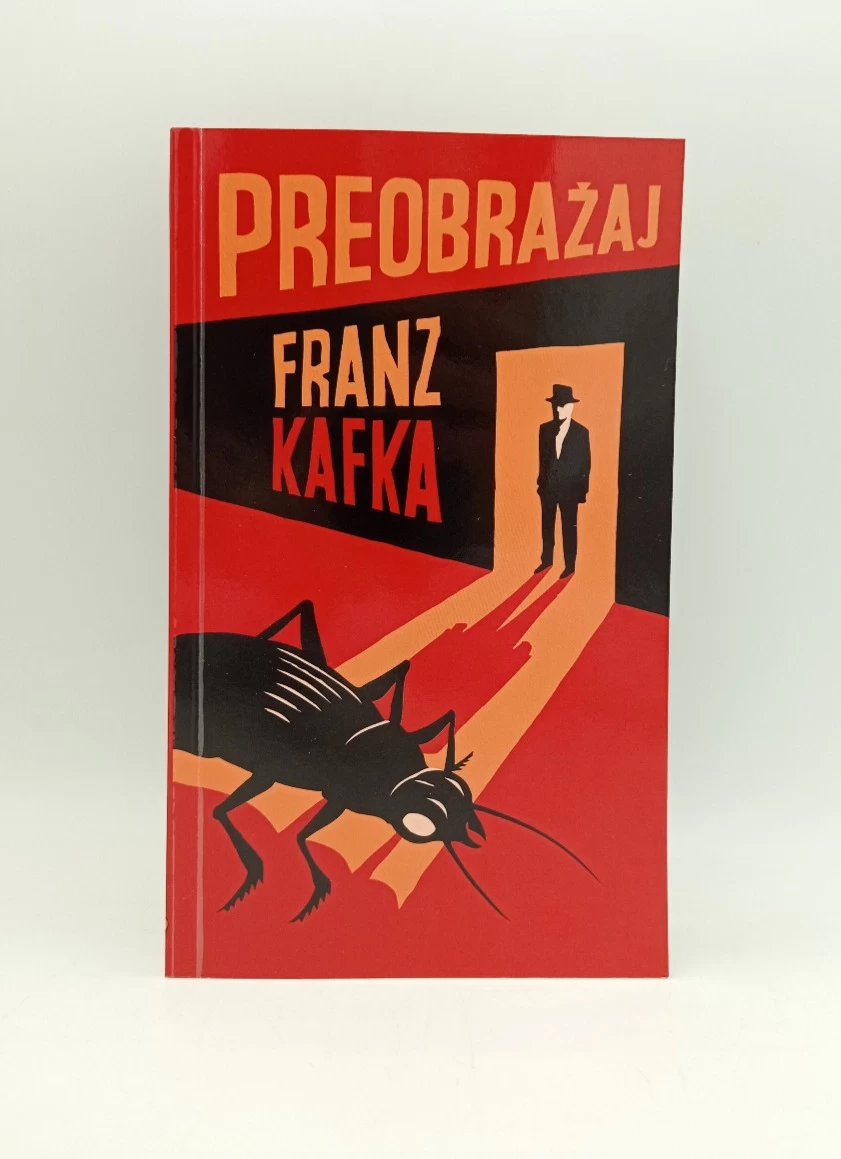
“What happened to me?” thought Kafka's hero when the author dispelled him in the first sentence of his most famous short work, perhaps the most famous in the history of literature: "One morning, when Gregor Samsa woke up from restless dreams, he discovered that he had turned into a huge insect in his bed." Thus begins The Transfiguration, one of Kafka's masterpieces, which has undergone numerous interpretations and decipherments since its publication in 1915. This petty-bourgeois anti-idyll, laden with gloomy metaphors and some supernatural, almost elusive sensuality, actually tells a not-so-everyday, but still life story; because few people have not at least once "awakened from restless dreams" with the feeling that they are unloved, misunderstood and alone (just like Samsa), and that they would prefer to close themselves in their armor like some kind of insect and not leave the room. Feelings of rejection, misunderstanding, uncertainty or powerlessness to change something, which overwhelm the main character after the mysterious transformation, are unfortunately quite close to most people even today, although hateful. After all, as one critic remarked at the time: "The most terrifying thing about Kafka is that nothing terrifies anyone." Let's also mention the excellent new translation by Neda Paravić, the lucid afterword by Boris Perić and the usual excellent illustrations by Igor Hofbauer, who put on the cover exactly what the author expressly forbade the illustrator of the first edition: an insect!
Additional information
- Author: Kafka Franz
- Publisher: Šareni dućan
- Year of publication:2012
- Place of publication:Koprivnica
- Pages:100
- Dimensions:12.5x20.5 cm
- Script:Latin script
- Condition:New book
- Binding:Softcover
Reviews
0 reviewsWrite a review
Share your experience and help other readers choose.
This item has no reviews yet. Be the first to share your experience.
More books by Kafka Franz


More books from Šareni dućan




You may also like







Recently viewed