Summary
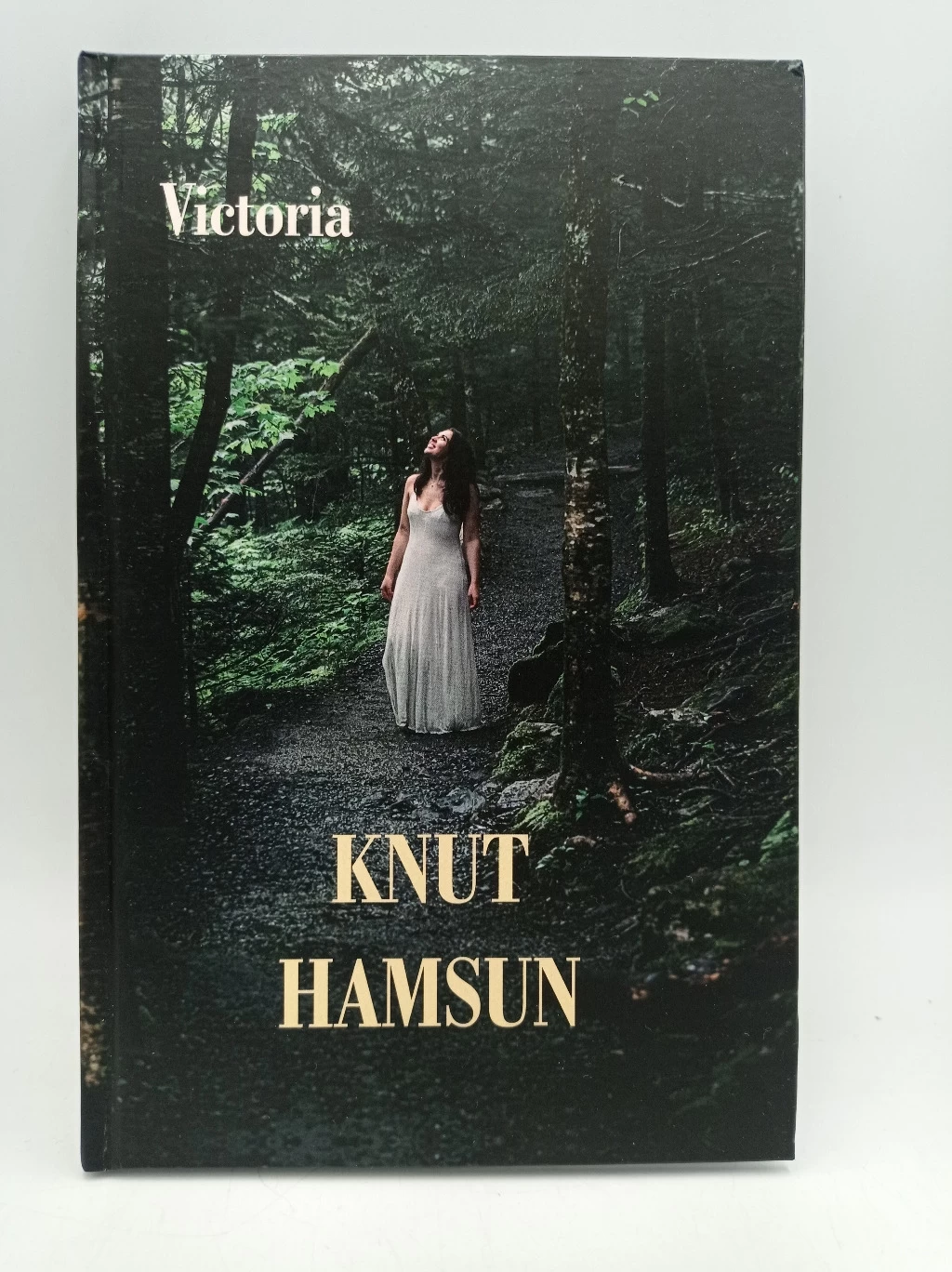
Knut Hamson: Victoria
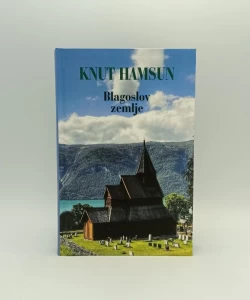
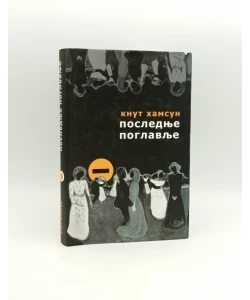
There are writers to whom readers keep coming back, whose books shaped many people's not only literary taste but also their overall outlook on the world and life. One of those is certainly Knut Hamsun, the Norwegian Nobel laureate who left behind an imposing literary work, which has long been ranked among the most significant creations in European and world literature. The novel Victoria was published in 1898 and belongs to the early phase of Hamsun's creativity, when he tried to "renew literature" by creating a new style and language. In that period, Hamsun published ten books, among them the novels Hunger, Mysteries and Pan, which form an informal trilogy, and are among his best and most famous works. After those books, as one literary expert said, "everyone started writing differently". Victoria is a love story, as indicated in the subtitle, and is still one of the most famous romance novels in Norwegian and Nordic literature. Although the volume is not large, the content of the book is extremely rich and layered, intriguing. An apparently simple and melodramatic lyrical story, but deeply powerful and convincing, about the "unimaginable" love between a miller's son and a rich woman's daughter, which, due to class differences, is doomed from the start, has captured the attention of readers for more than a century, and a dozen screen adaptations further confirm this. The author characterized Victoria as a novel of "cheerful indignation" because it is a story that convincingly proves that sadness can also be beautiful when it is beautifully described and expertly written like this.
Biblos Newsletter
New titles, special copies and quiet recommendations from the antiquarian bookshop.