
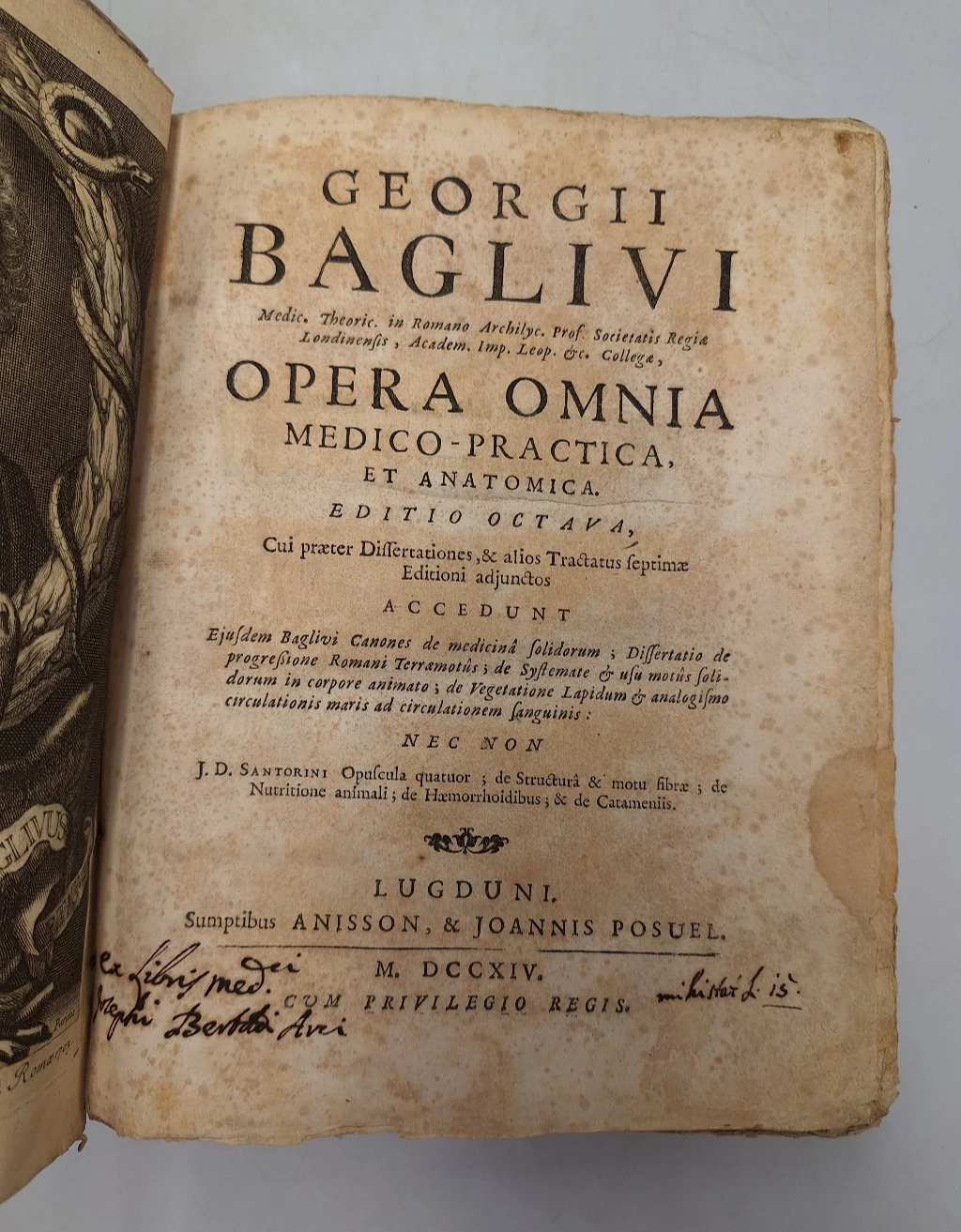
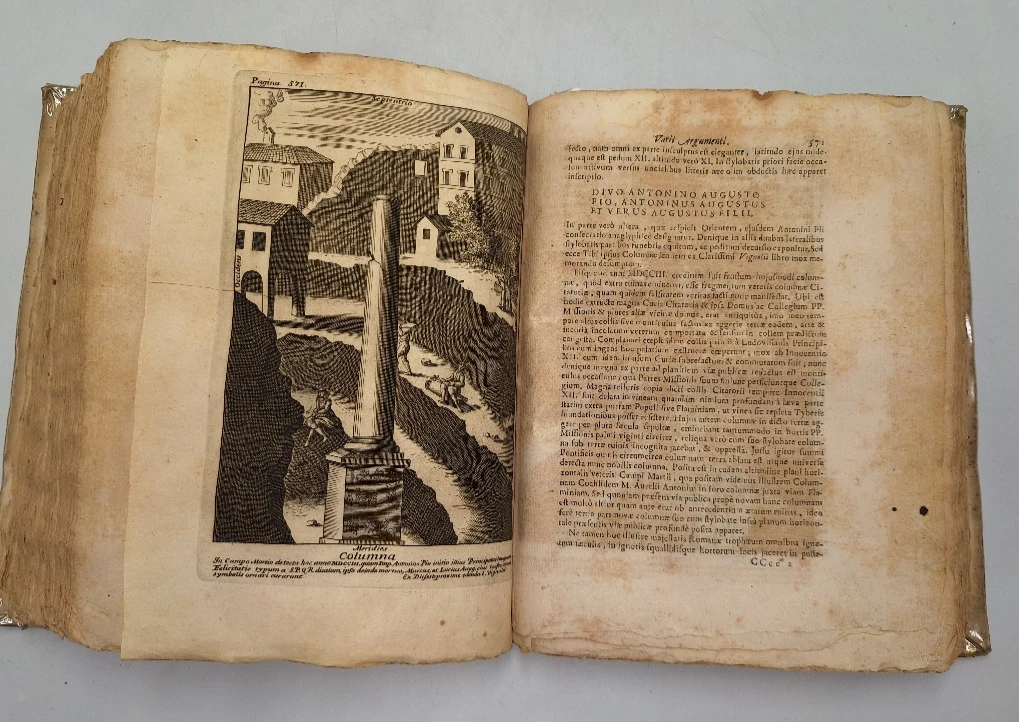
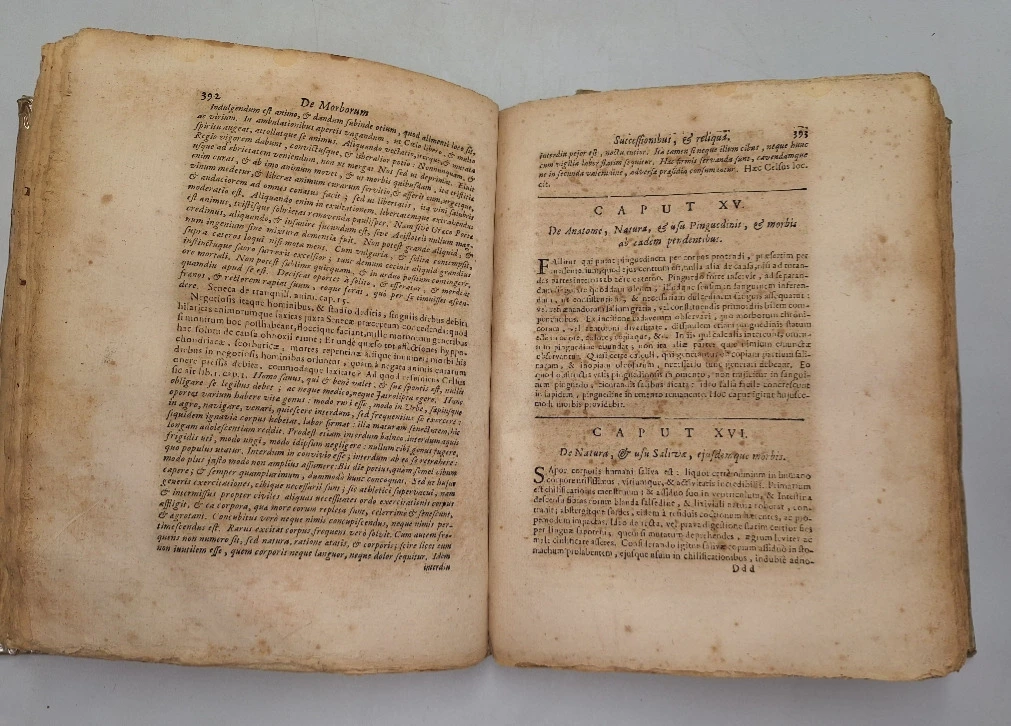
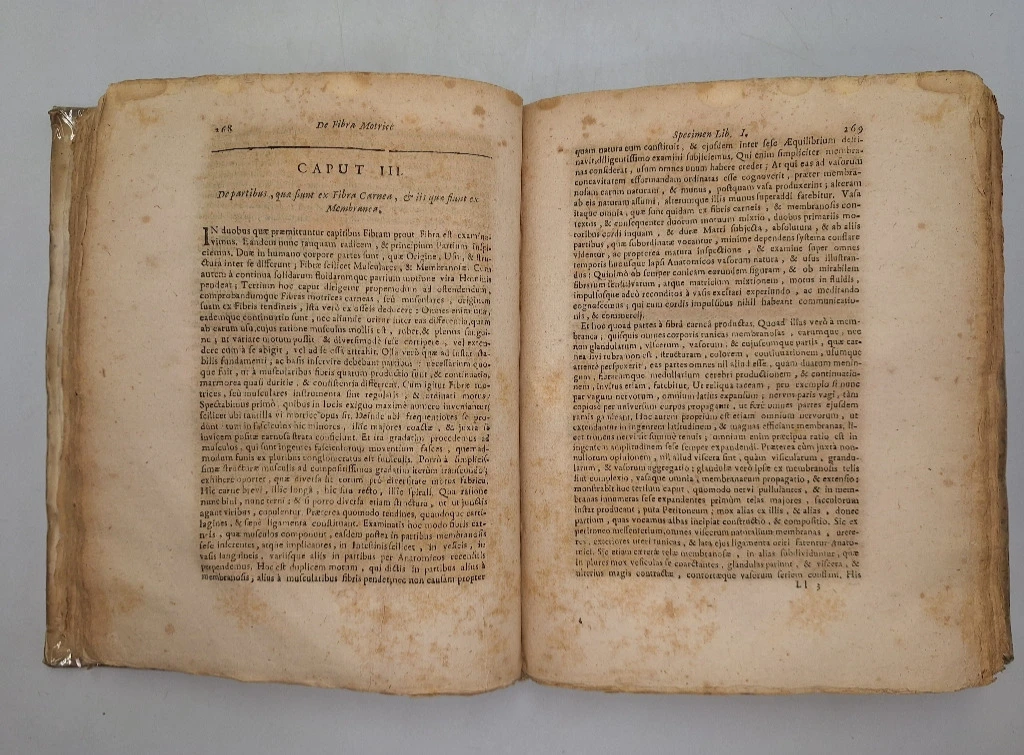
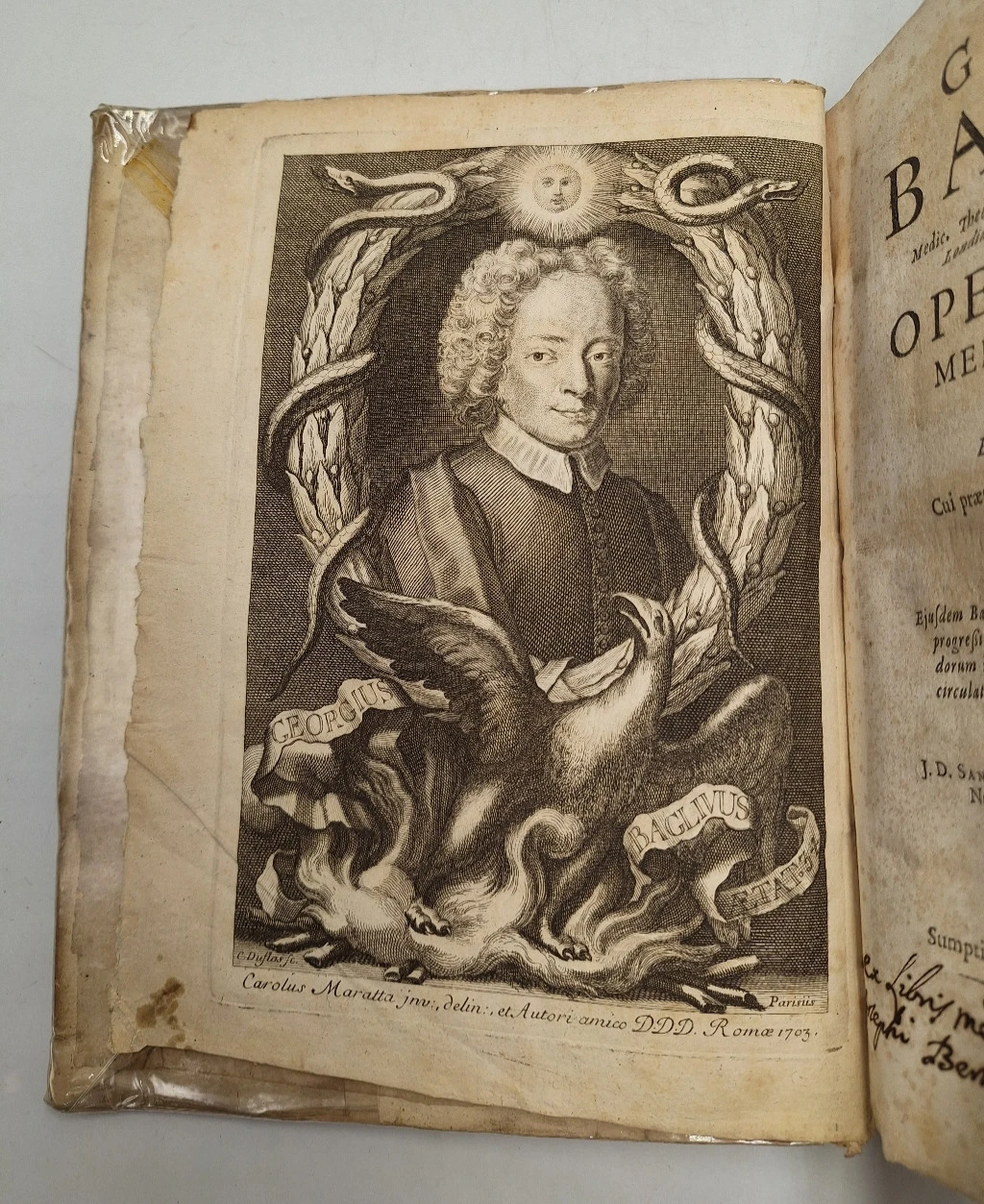
Opera omnia medico-practica et anatomica. Editio octava
Basic information
- Author: Baglivi Ðuro
- Publisher: Anisson & Joannis Posuel
- Availability: Available
- Condition: Very good
- Code: 84013
Shipping options
Payment methods
Explore more
Opera omnia medico-practica et anatomica. Editio octava
Baglivi Ðuro
Summary
Ðuro Baglivi: Opera omnia medico-practica et anatomica. Editio octava
Ðuro Baglivi (Dubrovnik, 1668 - Rome, 1707), medical writer and doctor. His grandfather moved to Dubrovnik from Armenia, and was called Armeno. He lost his parents at an early age, so his uncle took care of him, and after his death, the maid Marija Dragišić, who sent Đura and his brother to the Jesuits, among whom was Ardelio della Bella. As gifted students, they were sent to Italy and took the surname of their teachers. Đuro studied medicine in Naples and Salerno. He never severed ties with his hometown. He practices medicine and conducted various experiments on animals with medicines and plants. He studied anatomy, especially researching muscles and the meninges. He became the physician of Pope Innocent XII, and then a professor of medicine at the Roman University of La Sapienza. In Rome in 1696, he published his best work, De praxi medica, and after that he became a member of numerous European academies. After the publication of another famous book, De fibra motrice et morbosa, in 1700, his collected works have been published since 1702 in 20 editions in Latin, and numerous translations in European languages. He advocated the functional use of drugs, predicted the possibility of chemotherapy. He was one of the greatest authorities of medical science. He was also interested in numismatics, wrote about mineralogy and meteorology. His works are decorated with anatomical drawings in etching.
Additional information
- Author: Baglivi Ðuro
- Publisher: Anisson & Joannis Posuel
- Year of publication:1714
- Place of publication:Lyon
- Pages:855
- Dimensions:20.5x25 cm
- Script:Latin script
- Condition:Very good
- Binding:Softcover
Reviews
0 reviewsWrite a review
Share your experience and help other readers choose.
This item has no reviews yet. Be the first to share your experience.
More books by Baglivi Ðuro


You may also like






Recently viewed