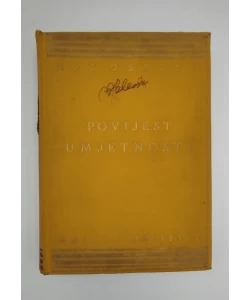
Povijest umjetnosti u Hrvatskoj
Basic information
- Author: Pelc Milan
- Publisher: Naklada Ljevak d.o.o.
- Availability: Available
- Condition: Excellent
- Code: 29220
Shipping options
Payment methods
Explore more
Povijest umjetnosti u Hrvatskoj
Pelc Milan
Summary
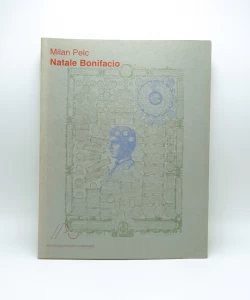
Milan Pelc: History of Art in Croatia
1. For the first time after the book Artistic treasure of Croatia by prof. Radovan Ivančević's book, published in 1983, is published by a single author, which on a consistent expressive and conceptual level represents the complete artistic heritage of Croatia, including the art of the 20th century
2. The author has presented the artistic heritage of Croatia from the prehistoric Vučedol to the beginning of the eighties of the 20th century in a concise, reviewed and comprehensible way in one volume of 520 pages with over 700 illustrations. In his review, the author tried to avoid stylistic bias and present the history of artistic creativity in the spirit of upward development, that is, in the spirit of exclusive stylistic determination. At the same time, he tried to achieve a balance in the selection of historical material while at the same time avoiding a schematic sequence of data.
4. While Ivančević's book is a synthesis interpretation review of important moments in the history of Croatian culture, this book provides a systematic analytical presentation of artistic material according to periods and types, based on the modern methodology of cultural analysis.
5. The analytical grid of the book is filled with synthesis summaries of artistic creativity on the soil of Croatia during the stylistic periods of European art history.
6. This book covers not only well-known and top elite works of artistic creativity, but also works from Croatian cultural everyday life, created as a result of specific political, economic, religious and life circumstances on the soil of Croatia over many centuries.
7. In addition to architecture, sculpture and painting, the overview includes in a concise manner the achievements of goldsmithing, fine painting, artistic crafts, the Islamic cultural layer, stećci, synagogues, works of Serbian Orthodox heritage, works of a rustic or folk character, such as crucifixes and wooden churches, and also includes the achievements of more modern artistic media such as graphics and photography, i.e. modern design.
8. The book is conceived as a mosaic made up of stones that have a separate character, but at the same time are connected in a picture of cultural heritage in a historical sequence in which long threads of artistic continuity can be discerned, but also changes that reflect shifts in cultural sensibility, connected to the reality of life and the cultural environment of Croatia in certain historical periods.
9. In its fundamental conception, the book rests on a positivist analysis of cultural material in stylistic echoes that belong to the traditional history of art and which are still the most suitable aid for following historical situations and periods.
10. The book's choice of material and the way it is presented illuminates the identity potential of artistic heritage in the cultural space of Croatia.
Additional information
- Author: Pelc Milan
- Publisher: Naklada Ljevak d.o.o.
- Year of publication:2012
- Place of publication:Zagreb
- Pages:528
- Dimensions:17.5x24 cm
- Script:Latin script
- Condition:Excellent
- Binding:Softcover
Reviews
0 reviewsWrite a review
Share your experience and help other readers choose.
This item has no reviews yet. Be the first to share your experience.
More books by Pelc Milan

More books from Naklada Ljevak d.o.o.





You may also like