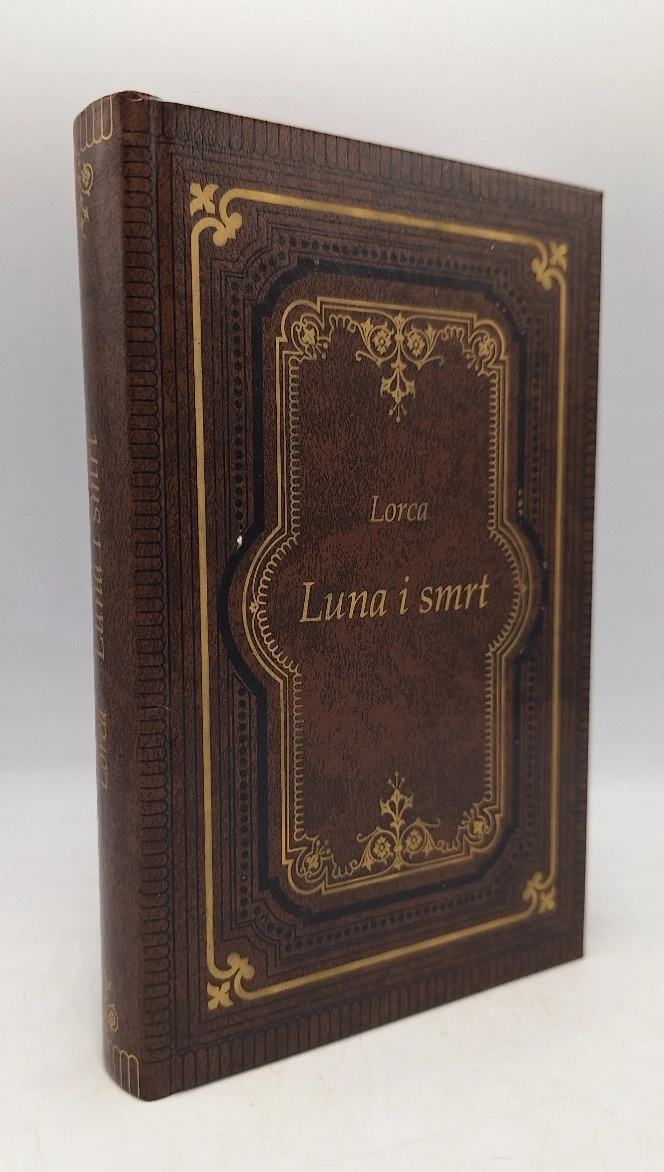
Luna i smrt
Basic information
- Author: Lorca Federico Garcia
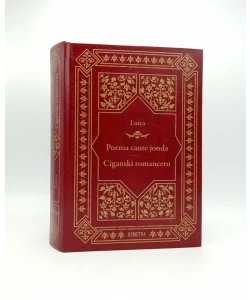
- Publisher: Demetra
- Availability: Available
- Condition: Excellent
- Code: 82338
Shipping options
Payment methods
Explore more
Luna i smrt
Lorca Federico Garcia
Summary
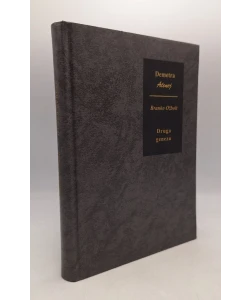
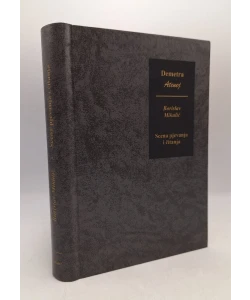
Federico Garcia Lorca: Luna and Death
Luna and Death Federico Garcia Lorca, along with Cervantes, is undoubtedly the most universal Spanish writer and an authentic symbol of Spanish culture. The form of folk song is deeply rooted in his work. But also the universal, cosmopolitan, traditional and, of course, avant-garde, all of which together form the recognizable profile of Spanish individuality. In fact, it is the most vital part of Spain, the land of passion, death, love, suffering and mystery. In Lorca's work, this reached the comprehensiveness of what the poet researched, discovered, clarified and interpreted in his travels to the regions of his country, especially visiting Andalusia, which he contrasted with Castile and added to the dream of its mystery, and with imagination and symbols outlined freedom, as a divine inspiration and a poetic escape from given frameworks, believing in the fateful predestination of himself as a poet.
Additional information
- Author: Lorca Federico Garcia
- Publisher: Demetra
- Year of publication:1998
- Place of publication:Zagreb
- Pages:272
- Dimensions:11.5x17.5 cm
- Script:Latin script
- Condition:Excellent
- Binding:Hardcover
Reviews
0 reviewsWrite a review
Share your experience and help other readers choose.
This item has no reviews yet. Be the first to share your experience.
More books by Lorca Federico Garcia

More books from Demetra




You may also like






Recently viewed