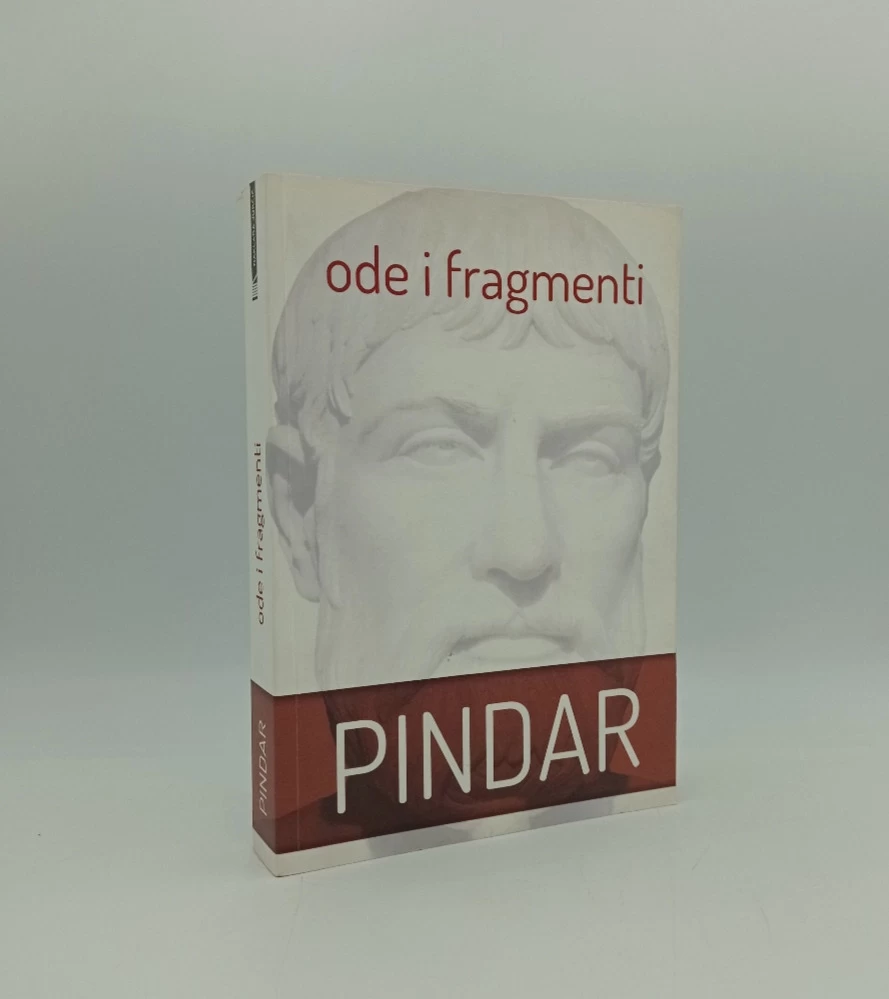

Pindar: Ode i fragmenti
€ 15,00
Free delivery in Croatia for orders over EUR 70
Basic information
- Author: Pindar
- Publisher: Naklada Jurčić
- Availability: Available
- Condition: Nova knjiga
- Code: 68210
Shipping options
GLS Croatia
5€
Delivery
0€
Personal collection at the antique store
0€
GLS parcel machine
3€
Payment methods
Pay on pickup
CorvusPay
By general payment / Virman / Internet banking
Cash on delivery
Ode i fragmenti
Pindar
Summary
Pindar: Odes and Fragments
Pindar sang at the request of a certain person or city. In each ode, he uses a different metrical form, but almost all of them have the same structural scheme: actuality - myth - actuality. A sports victory or the celebration of a victory represent current events. The mythological part around the winner creates a heroic atmosphere. Pindar, as a deeply religious person, corrects myths by removing all the negative features of gods and heroes.
Fragments of those 44 odes have been preserved, which, depending on the place where the victory was achieved, are divided into: Olympic, Pythian, Nemean and Isthmic.
Pindar (552 - 443 BC), ancient Greek lyric poet. He was born in Kinoscephala near Thebes in a distinguished family of Aegis originally from Sparta. Pindar spent his whole life interpreting the spiritual world of the aristocracy, and he was not affected by the social changes that occurred almost everywhere in the 5th century BC. Kr. they bring the supremacy of democracy. He was faithful to the ideals of a society that was collapsing.
He wrote all kinds of choral lyrics: hymns, paeans, dithyrambs, prosody, parthenias, hyporhemas (dance songs), encomias, trones and epinicias (odes celebrating the winners).
Additional information
- Author: Pindar
- Publisher: Naklada Jurčić
- Year of publication:2015
- Place of publication:Zagreb
- Pages:338
- Dimensions:15x21 cm
- Script:Latinica
- Condition:Nova knjiga
- Binding:Meki
You may also like







Recently viewed
Biblos Newsletter
For book lovers who enjoy finding the rare
New titles, special copies and quiet recommendations from the antiquarian bookshop.