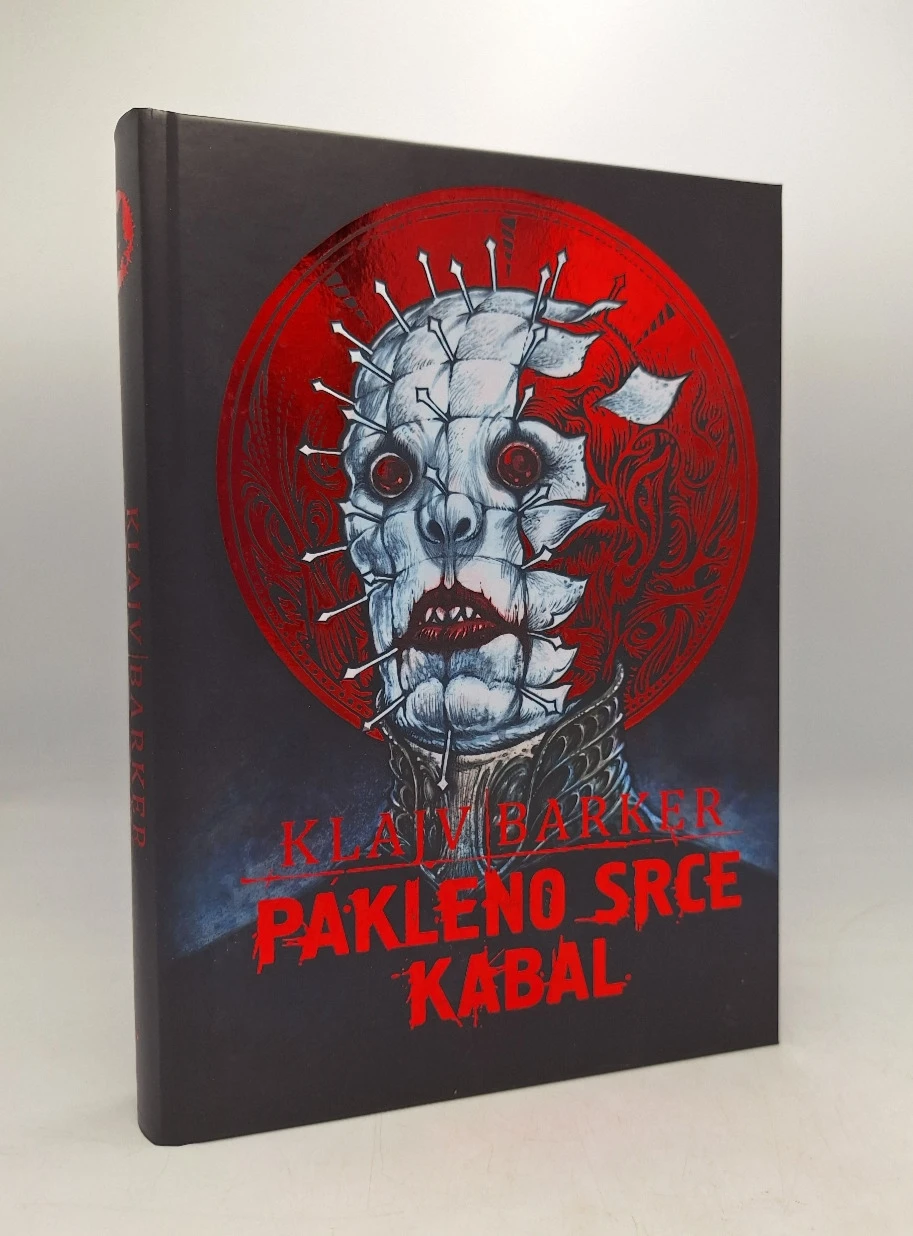
Pakleno srce | Kabal
Basic information
- Author: Barker Clive
- Publisher: Orfelin izdavaštvo
- Availability: Available
- Condition: New book
- Code: 81714
Shipping options
Payment methods
Explore more
Pakleno srce | Kabal
Barker Clive
Summary
Clive Barker: Heart of Hell | Cabal
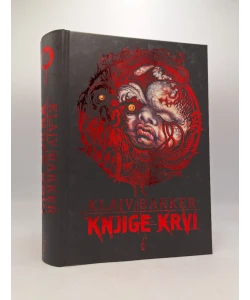
Clive Barker has always been dedicated to defending the rights of monsters - that is, those who are different, marginalized, persecuted - to exist, to have their voices heard and their point of view understood. The articulation of the monstrous perspective is the basis of his comprehensive poetics: it began in prose form in the stories collected in the Books of Blood, and experienced its culmination and ultimate expression in the novella "Hellbound Heart" ("Hellbound Heart", 1986) and in the novel Cabal (Cabal, 1988).
The spaces of these two parts are paraded by naked monsters, in the widest range of variants - monstrous people, humanoid monsters, beasts-monsters, demons-monsters. They manifest in the narrow, gothic-horror microcosm of the old house and in the wider, dark-fantasy macrocosm of the outcast community. This range of possibilities outlines the arc between pure horror, on the one hand, and pure fantasy, on the other, and draws a map of their points of intersection, i.e. common territories, but also separate, indivisible regions and their peculiarities. Therefore, it is quite significant that the literary expressions of this microcosm and macrocosm are found together, within the same cover, and that the poetics of Clive Barker's monstrosity, as crystallized and canonized in those two works, can be seen simultaneously.
Additional information
- Author: Barker Clive
- Publisher: Orfelin izdavaštvo
- Year of publication:2025
- Place of publication:Novi Sad
- Pages:383
- Dimensions:17x24 cm
- Script:Latin script
- Condition:New book
- Binding:Hardcover
Reviews
0 reviewsWrite a review
Share your experience and help other readers choose.
This item has no reviews yet. Be the first to share your experience.
More books by Barker Clive
More books from Orfelin izdavaštvo
You may also like