Kaštanka
Basic information
- Author: Čehov Anton Pavlovič
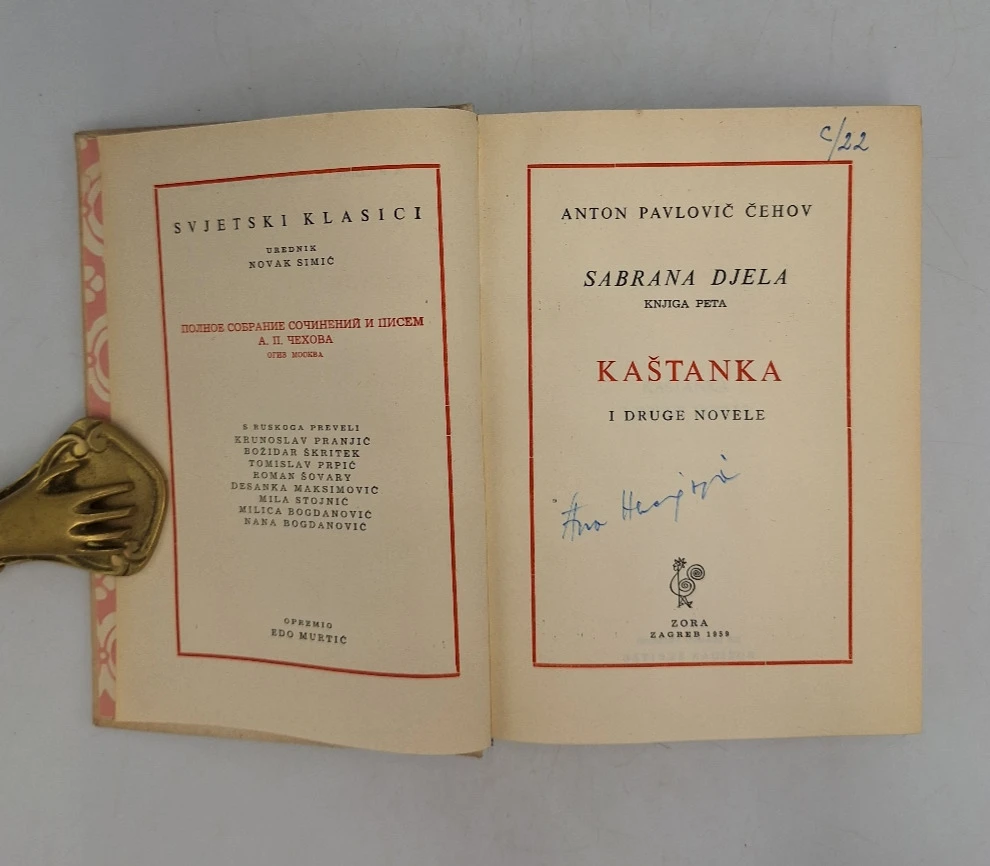
- Publisher: Zora
- Availability: Available
- Condition: Good
- Code: 17238
Shipping options
Payment methods
Explore more
Kaštanka
Čehov Anton Pavlovič
Summary
Anton Pavlovič Chekhov: The Chestnut
The Chestnut is one of Chekhov's most famous short stories and is distinguished by the main qualities that mark the rest of his oeuvre, namely a deep understanding of the human psyche and an atmosphere that irresistibly draws the reader into Russia at the turn of the nineteenth and twentieth centuries. Kaštanka is indeed characterized by a strong Russian color, but at the same time it is a universal story about love, loyalty and responsibility. Chekhov is a famous satirist of society, and in this story he mercilessly shows human weaknesses from the point of view of man's best friend: the dog. Through the eyes of the dog Kaštanka, the human world is glimpsed in the fullness of its misery, vain efforts and weakness. A dog does not judge. The dog is guided by its elementary instincts. It needs food and warmth, but also love. Precisely because she observes people through the prism of the search for love, she challenges the reader/spectator to wonder how much love a man is capable of giving and what excuses he uses when his love is lacking.
Kaštanka's world is primarily a world of smells (the smell of sawdust, mud, tea, vodka, meat), but the most important landmark of her existence is her boss. He is the center of her world, a source of security and belonging. For this, the dog repays with unreserved love, which equally patiently accepts caresses and blows, beatings and cursing. When she gets lost and ends up at home with the new "boss", a circus performer who performs with trained animals, Kaštanka will find herself in a dilemma: is she a better boss who doesn't beat and feed you, but conditions her love, or is she a better rude, unpredictable and unreliable master who loves you unconditionally, but "in his own way". This is a dilemma that no human would like to find themselves in, and Chekhov asks us to think about what makes us worse than a dog, whether we should sometimes look to a dog's love or stop calling a wide range of relationships based on suffering and lack of freedom love.
Translated by: Krunoslav Pranjić, Božidar Škritek, Tomislav Prpić, Roman Šovary, Desanka Maksimović, Mila Stojnić, Milica Bogdanović and Nana Bogdanović
Book has the signature of the previous owner.
Additional information
- Author: Čehov Anton Pavlovič
- Publisher: Zora
- Year of publication:1959
- Place of publication:Zagreb
- Pages:435
- Dimensions:15x20.5 cm
- Script:Latin script
- Condition:Good
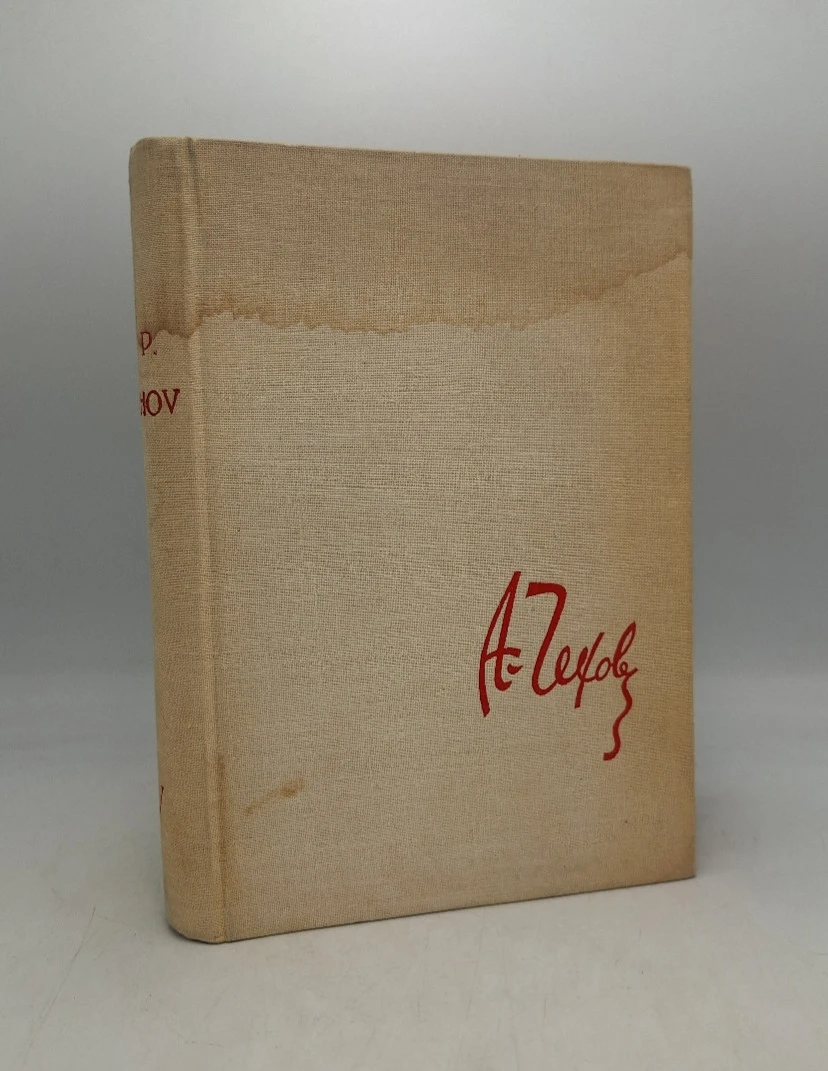
- Binding:Hardcover
Reviews
0 reviewsWrite a review
Share your experience and help other readers choose.
This item has no reviews yet. Be the first to share your experience.
More books by Čehov Anton Pavlovič




More books from Zora