
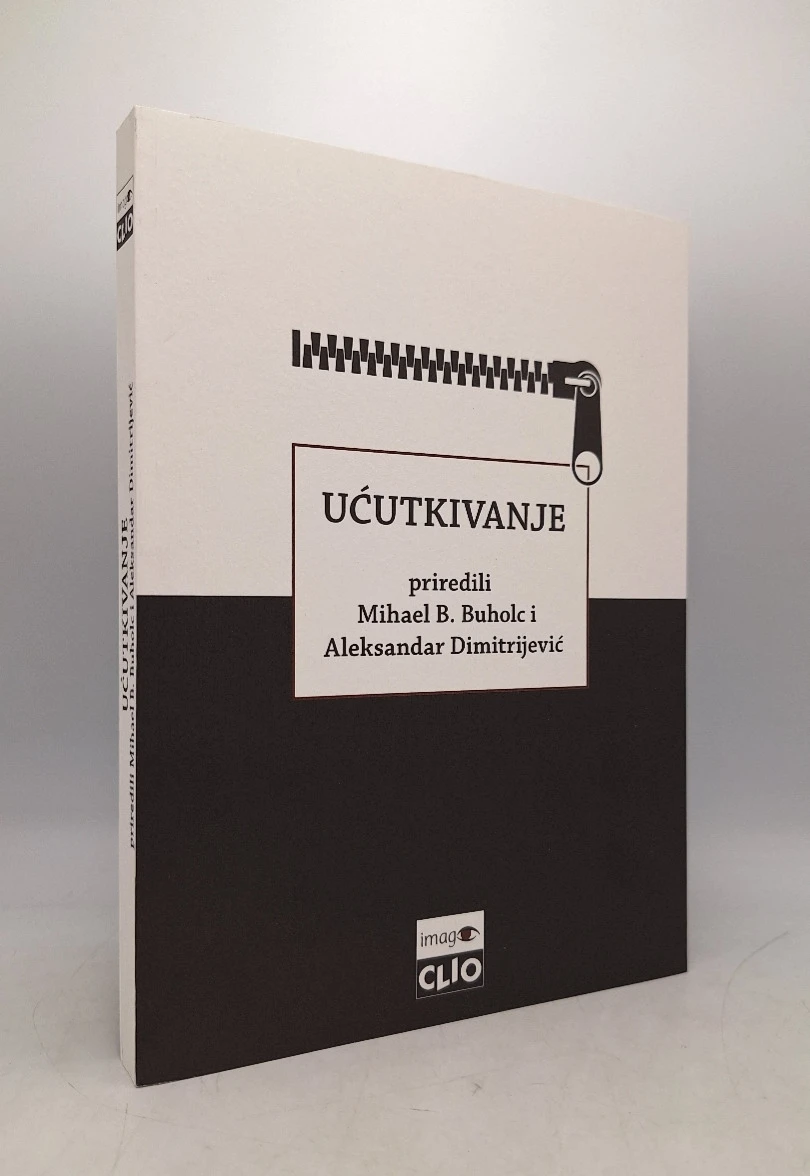
Ućutkivanje - oblici ugnjetavanja pojedinaca, porodica i zajednica
Basic information
- Author: Buholc Mihael | Dimitrijević Aleksandar
- Publisher: Clio
- Availability: Available
- Condition: New book
- Code: 84268
Shipping options
Payment methods
Explore more
Ućutkivanje - oblici ugnjetavanja pojedinaca, porodica i zajednica
Buholc Mihael | Dimitrijević Aleksandar
Summary
Silencing - forms of oppression of individuals, families and communities
Your life begins with someone asking you not to cry, especially not at night. Then they ask you to control your anger and be polite and patient. At school – disciplined and obedient. In puberty - to rein in sexuality. At work - to focus exclusively on tasks. In your spare time – to think about how politics shapes the world and what sellers want. The history of our lives is, in a way, the history of the silencing of our authentic voices. The problem is that this silencing is so pervasive and starts so early that most people take it for granted and don't try to break free; at the same time, it often seems that the only way out of one form of silencing is to enter another. One could even say that the silencing is so significant that it is easier to overcome the traumatic experiences themselves than to overcome their silencing. The book dissects many of these forms of silencing that easily go unnoticed. The author talks about silencing in dictatorships, under the influence of propaganda, between and within major religions, in psychiatric institutions and educational systems, that is, about how silencing is shown in the history of culture and literature. The book shows how different individuals, groups and institutions silence their opponents, witnesses, victims, "non-believers", dissidents, artists, women, students, patients and researchers... "Shutdown" is the translation of the first volume in a series of books dealing with the forms, consequences, mechanisms and overcoming of this extremely influential phenomenon.
Additional information
- Author: Buholc Mihael | Dimitrijević A...
- Publisher: Clio
- Year of publication:2026
- Place of publication:Beograd
- Pages:280
- Dimensions:16.5x22.5 cm
- Script:Latin script
- Condition:New book
- Binding:Softcover
Reviews
0 reviewsWrite a review
Share your experience and help other readers choose.
This item has no reviews yet. Be the first to share your experience.
More books from Clio







You may also like