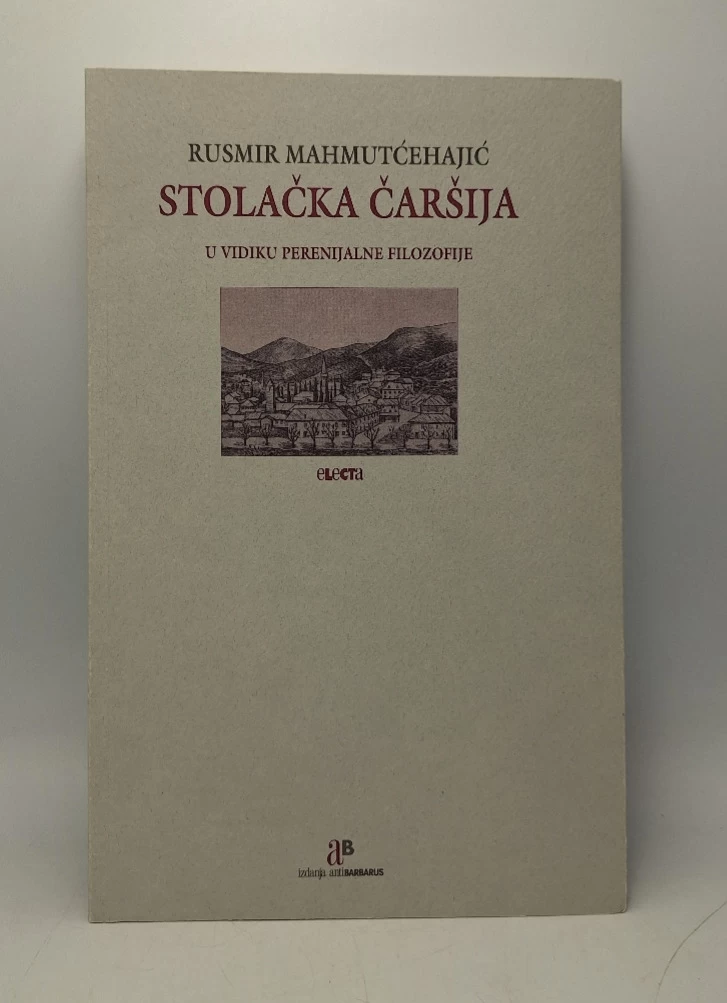

Mahmutćehajić Rusmir: Stolačka Čaršija u vidiku perenijalne filozofije
€ 12,00
Free delivery in Croatia for orders over EUR 70
Basic information
- Author: Mahmutćehajić Rusmir
- Publisher: Antibarbarus
- Availability: Available
- Condition: Odlično
- Code: 76350
Shipping options
GLS Croatia
5€
Delivery
0€
Personal collection at the antique store
0€
GLS parcel machine
3€
Payment methods
Pay on pickup
CorvusPay
By general payment / Virman / Internet banking
Cash on delivery
Stolačka Čaršija u vidiku perenijalne filozofije
Mahmutćehajić Rusmir
Summary
Rusmir Mahmutćehajić: Stolačka Čaršija in the perspective of perennial philosophy
SHAH ZAFARII, the last Mughal ruler, wrote a ghazal to the destroyed Delhi after it fell into English hands after the Great Hindustan Rebellion in 1857: "Paradise was once Delhi, Love reigned in it, its charm is defiled, only ruins remain. No tears for the multitude that is without sheets, trapped in a mass grave; no prayer for the fallen eshraf, in a cemetery without a funeral." Likewise, Rusmir Mahmutćehajić's Stolac bazaar is a gazelle to the destroyed Stolac. However, if it was only a matter of lyrical inspiration, aimed at nostalgia for what was lost, the author's testimony would be just as poignant, but not so inspiring. The key, however, is not in the loss of urban order, which is a signpost towards the center - towards the transcendental - but in finding order within oneself, which enables the restoration of the destroyed world.
Additional information
- Author: Mahmutćehajić Rusmir
- Publisher: Antibarbarus
- Year of publication:2008
- Place of publication:Zagreb
- Pages:245
- Dimensions:18x28 cm
- Script:Latinica
- Condition:Odlično
- Binding:Meki
You may also like






Recently viewed





Biblos Newsletter
For book lovers who enjoy finding the rare
New titles, special copies and quiet recommendations from the antiquarian bookshop.