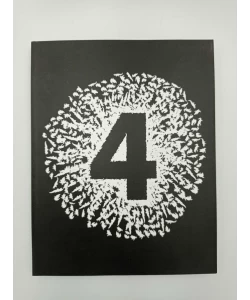

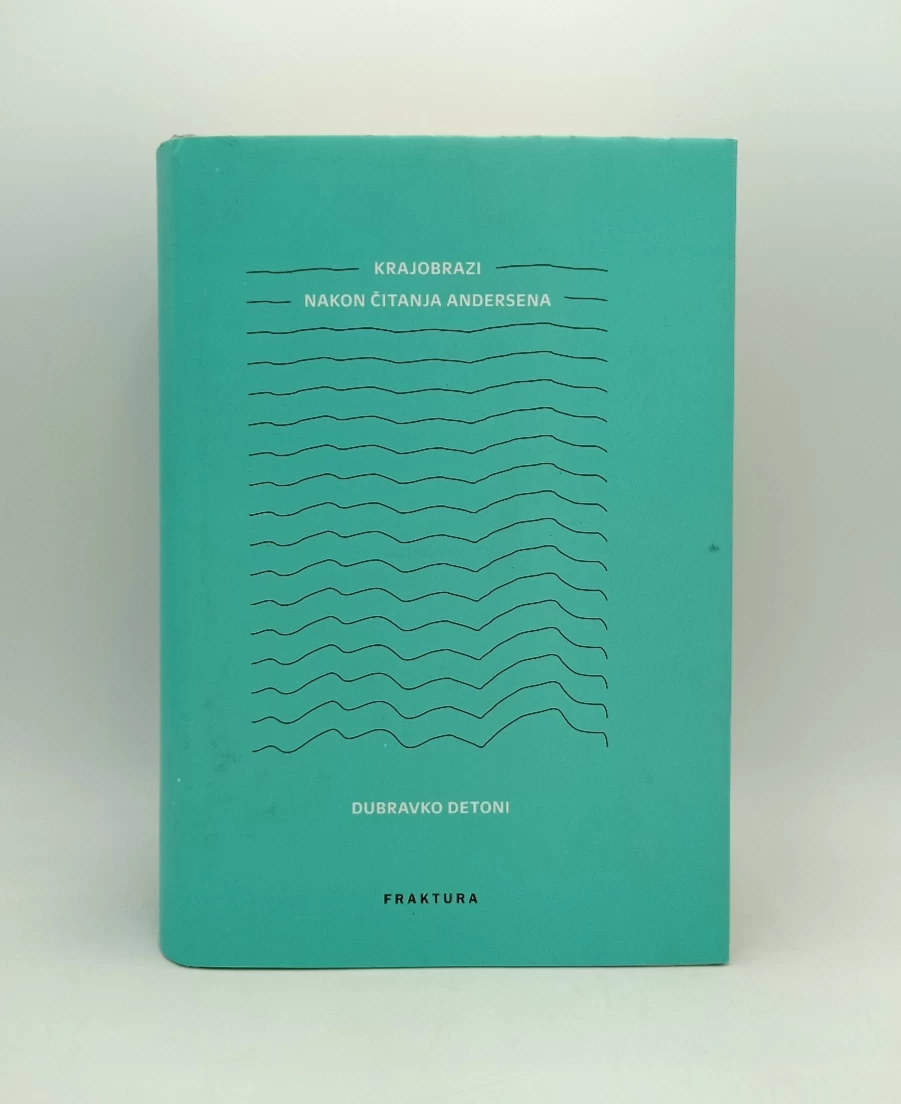
Krajobrazi: nakon čitanja Andersena
Basic information
- Author: Detoni Dubravko
- Publisher: Fraktura d.o.o.
- Availability: Available
- Condition: Excellent
- Code: 64754
Shipping options
Payment methods
Explore more
Krajobrazi: nakon čitanja Andersena
Detoni Dubravko
Summary
Dubravko Detoni: Landscapes: after reading Andersen
Dubravko Detoni in the form of diary entries, i.e. daily recording of the world around him, writes a fascinating text, a text that can be read both as prose and poetry and as micro-essays about everyday life, transience or art. But equally, or even more importantly, Dubravka Detoni, one of our most important contemporary composers, was never only interested in the message, but also in the way it was conveyed. Detonia is interested in the very essence of the word, its originality and its transformation into something else. He returns to Hans Christian Andersen, whom he reads with boyish playfulness and then creates his own playful composition, a poem in prose or prose in a poem.
With his imaginary intimate dialogue with Anderson, Mozart, nature, music, but above all language - because language is both music and mathematics, both mentally and physically - Detoni creates anew. For Dubravko Detoni, language is an instrument with which he plays and plays, from which he creates new, different images and metaphors, language becomes or, rather, remains the basic material not only of the text, but also of thoughts and reflection itself. Detoni's Landscapes or After Reading Andersen is a book that can be read and understood in as many ways as it looks at the world.
Additional information
- Author: Detoni Dubravko
- Publisher: Fraktura d.o.o.
- Year of publication:2018
- Place of publication:Zaprešić
- Pages:627
- Dimensions:16x23 cm
- Script:Latin script
- Condition:Excellent
- Binding:Hardcover with dust jacket
Reviews
0 reviewsWrite a review
Share your experience and help other readers choose.
This item has no reviews yet. Be the first to share your experience.
More books by Detoni Dubravko

More books from Fraktura d.o.o.



You may also like