Palača svjetla i sjene
Basic information
- Author: Benić Gordana
- Publisher: Ex Libris
- Availability: Available
- Condition: Excellent
- Code: 67046
Shipping options
Payment methods
Explore more
Palača svjetla i sjene
Benić Gordana
Summary
Gordana Benić: Palace of Light and Shadows
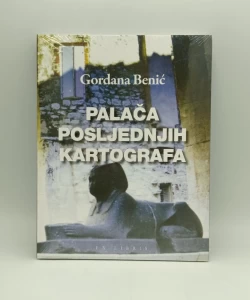
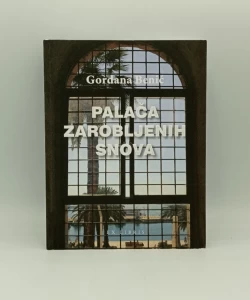
In the final part of the triptych: Palace of Light and Shadows (the previous books were titled Palace of Captured Dreams and Palace of Unearthly Dreams), such a space-world is shaped according to an accelerated projection. (...) By reversing the perspective, the poet also changes the arrangement of what is seen: large forms are reduced and decomposed, close details are enlarged beyond recognition. And with a transgressive genre, a poem in prose, Gordana Benić appeals to the simultaneity of near and far, large and tiny, natural and artificial, orderly and chaotic. The entire Triptych about the Palace is therefore most often framed by the illusory present dropped out of the album and herbarium of limbo, a place that Dante included in his Hell, and where the only punishment is memory. For a dreamer who constantly falls into other people's and unextinguished dreams, it is impossible to escape from sleepwalks, because in them it is not only the pain of writing the imaginary, but they encourage poetic handwriting according to the arbitrary creations of daydreaming. In the collection Palace of Light and Shadow, Gordana Benić turns that dream principle into the very opposite, into a kind of eruption of signs from the cosmic and archetypal space of the subconscious. The labyrinthine unpredictable pattern of events not only places different times on the same level, but also stages different categories of phenomena.
Additional information
- Author: Benić Gordana
- Publisher: Ex Libris
- Year of publication:2015
- Place of publication:Zagreb
- Pages:149
- Dimensions:16x22 cm
- Script:Latin script
- Condition:Excellent
- Binding:Softcover
Reviews
0 reviewsWrite a review
Share your experience and help other readers choose.
This item has no reviews yet. Be the first to share your experience.
More books by Benić Gordana


More books from Ex Libris








You may also like









Recently viewed