
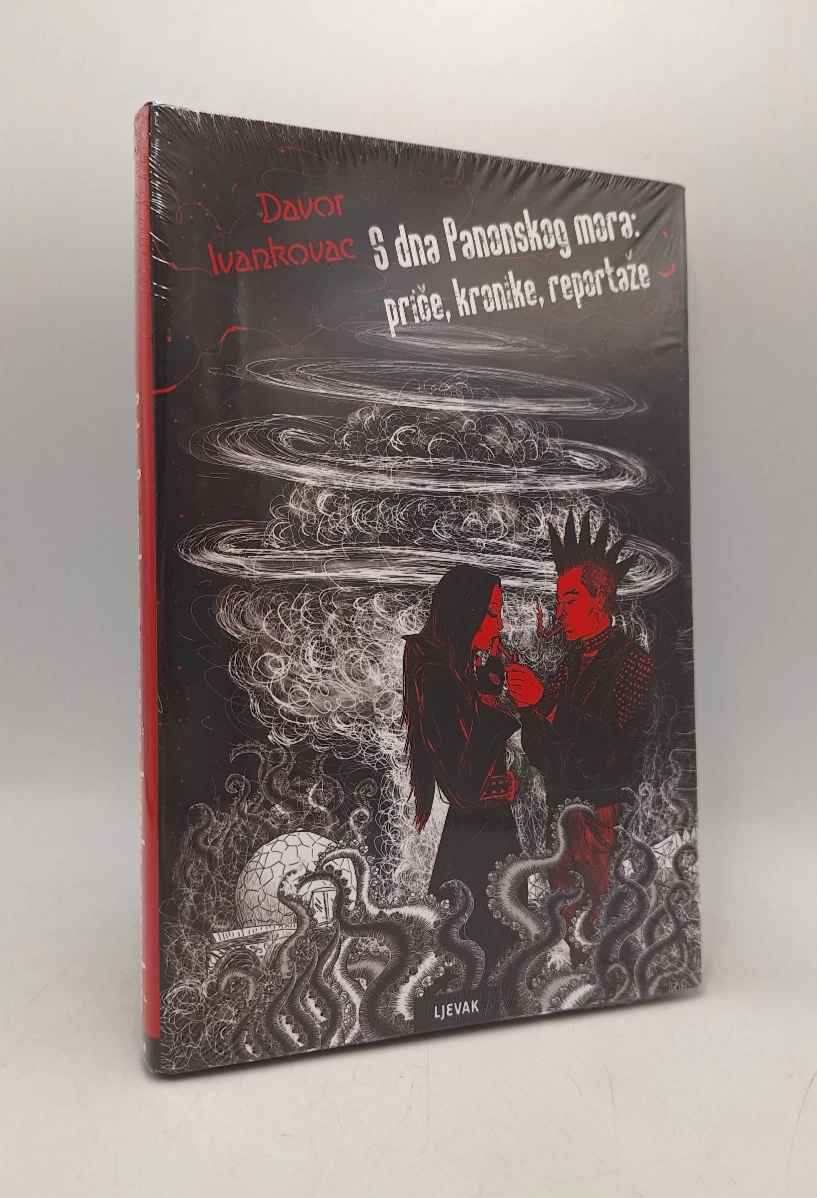
S dna Panonskog mora: priče, kronike, reportaže
Basic information
- Author: Ivankovac Davor
- Publisher: Naklada Ljevak d.o.o.
- Availability: Available
- Condition: New book
- Code: 78700
Shipping options
Payment methods
Explore more
S dna Panonskog mora: priče, kronike, reportaže
Ivankovac Davor
Summary
Davor Ivankovac: From the Bottom of the Pannonian Sea: Stories, Chronicles, Reportages
In the book of stories by Davor Ivankovac through familiar topics from global politics and local everyday culture, such as the threat of nuclear war, the Pannonian Satan, the Walk for Life or Death, the delay of domestic transport, patterns of accelerated and unstoppable transition are revealed - the flow of time that has long been incompatible with the concept of time and the changes of its eras, in which we grew up and in which we are invested. History loses its role and weight in the formation of the present and the projection of the future, and therefore, as living witnesses of the establishment of the metaverse, we experience a story in which a bus from Byzantium, which according to the schedule should arrive at the ninth platform in ten minutes, due to bridge work in the 18th century, is late into the depth of the 21st century by an unspecified number of minutes or hours. Through the stories, we get to know the peculiar characters from the Vinkovac region, from the mysterious head of the hospital department, a pensioner whose death inspires him to entrepreneurship, through the failed punk Đuka to the eccentric pickpocket Šimun, who seems like a distant relative of Fellini's uncle Theo - to both of them, he is at the center of the una donna universe; the former's melancholy grows alongside the Bosut willows, the latter alongside his fig tree; both seek the audience's attention and, thanks to their separateness, successfully bind it to themselves. The narrator precisely outlines Šimun's audience - the Šokci whose hooked nose has lengthened significantly over the centuries and the Nepalese, who, guided by the dynamics of the market, found themselves at this bottom of the Pannonian Sea - and who almost dance along the lines of Šimun's story, which, along with absurd dialogue inserts, results in a hilariously funny dance braid. The narrator always remains deadly serious. He is not at all up to a joke or a laugh, but to a collected observation, so that the vicious cycle of humor is not interrupted. Nor, not even after the end of each of the stories, does it stop.
Additional information
- Author: Ivankovac Davor
- Publisher: Naklada Ljevak d.o.o.
- Year of publication:2023
- Place of publication:Zagreb
- Pages:192
- Dimensions:14.5x21.5 cm
- Script:Latin script
- Condition:New book
- Binding:Hardcover
Reviews
0 reviewsWrite a review
Share your experience and help other readers choose.
This item has no reviews yet. Be the first to share your experience.
More books by Ivankovac Davor
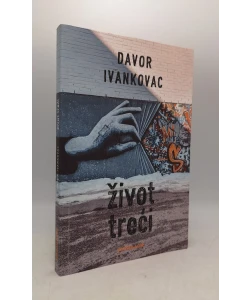
More books from Naklada Ljevak d.o.o.




You may also like