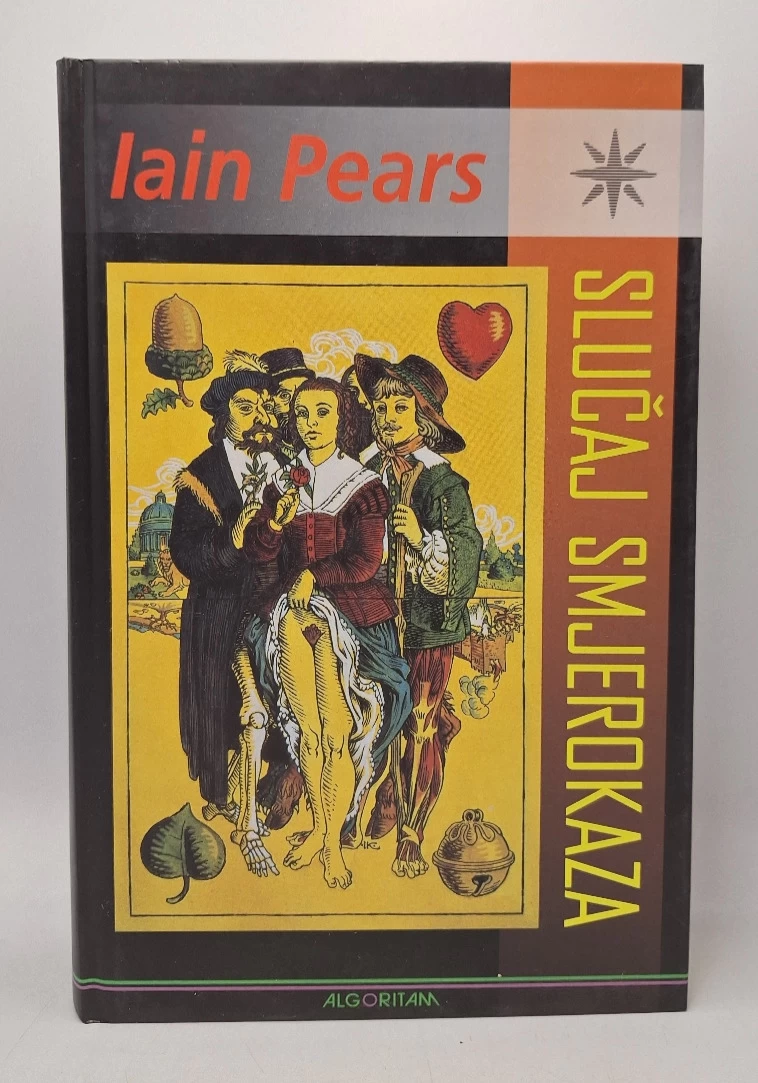
Slučaj smjerokaza
Basic information
- Author: Pears Iain
- Publisher: Algoritam
- Availability: Available
- Condition: Excellent
- Code: 60146
Shipping options
Payment methods
Explore more
Slučaj smjerokaza
Pears Iain
Summary
Iain Pears: The Case of the Pointer
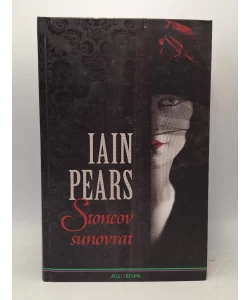
The story of the murder of Dr. Robert Grove, a not very respected and not very polite member of the teaching council at Oxford's New College, which took place in 1663, will be told by four of his contemporaries and possible witnesses to the crime. Each of them will introduce their own prejudices into their narrative, interweave hidden interests and motivations, emphasize some circumstances, and omit or twist others. The reasons for this, as well as the real truth, the author of the novel The Signpost Case, Iain Pears, will dose enchanted readers drop by drop by relentlessly leading the plot to the final and unexpected resolution of the mystery.
Marco da Cola, an overbearing Venetian, on the threshold of the discovery of blood transfusion, claims that he is actually collecting debts in England for his father, a well-known merchant. Jack Prestcott, the son of an exiled traitor, is lost in the world of scams and his only goal, it seems, is to wash the stain off the family name. John Wallis, a paranoid cryptographer obsessed with uncovering conspiracies, has his own theory about everything. However, recently retired antiquarian Anthony Woods will be able to grasp the threads of all the secrets and from the unfathomable thicket of lies and deceptions will give birth to a guide that points to the real and only truth. All four confessions reveal the narrator's strange fascination with young Sarah Blundy, the maid of the murdered Grove. In the exclusively male world of seventeenth-century England, this bright, defiant, self-aware young woman, through the descriptions of four completely different narrators, grows into the main character of the novel as the harbinger of a new age that is yet to come. Translated, praised and read around the world as the only true heir to the writing erudition of Umberto Eco, Iain Pears will keep you awake even when bedtime has long passed. Through the team translation work of Martina Gračanin, Božica Jakovlev, Damir Biličić and Ana Sabljak, four different voices came to life in the way the author wanted to achieve with his manuscript, and the illustration on the cover by Igor Kordej made according to the original playing card from the seventeenth century will remind you that the truth is sometimes as deceptive as happiness.
Additional information
- Author: Pears Iain
- Publisher: Algoritam
- Year of publication:2000
- Place of publication:Zagreb
- Pages:702
- Dimensions:16x24 cm
- Script:Latin script
- Condition:Excellent
- Binding:Hardcover
Reviews
0 reviewsWrite a review
Share your experience and help other readers choose.
This item has no reviews yet. Be the first to share your experience.
More books by Pears Iain
More books from Algoritam


You may also like




Recently viewed