Zao čas
Basic information
- Author: Marquez Garcia Gabriel
- Publisher: Sezam book
- Availability: Available
- Condition: New book
- Code: 77766
Shipping options
Payment methods
Explore more
Zao čas
Marquez Garcia Gabriel
Summary
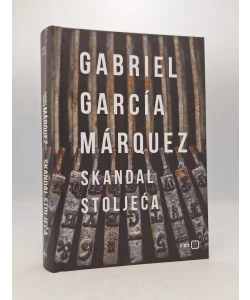
Gabriel Garcia Marquez: An evil hour
An evil hour has come for the inhabitants of an unnamed place on the banks of the river, which after a period of tropical rains from the sky are still blue on the ground, but are still tormented by the heat. The problem, however, is not only that congealed nature that leaves little room outside of grumpiness. Forced peace reigned in the town after who knows how many civil wars, but one villager kills another because, based on a leaflet that mysteriously appeared on the door of his house, he found out that his wife was cheating on him. After such a break in reality, flyers soon appear in most of the other houses, and everyone's anxiety now becomes unbearable, although the flyers do not reveal anything that was not known before. It's just that the rumors have now taken off, old suspicions have come to light, and the latent violence has flared up again, as if it was just waiting for an occasion, even if it is in the form of those leaflets that, precisely because they are meaningless, not even a well-intentioned populace, nor a strong mayor, will deal with them. Charged with the spiritual elevation of the individual and the maintenance of the public order of the community, in their vain rituals they are equally surprised by the sequence of events that will try with all the ferocity of their indomitability, although they primarily arise from the overall numbness of the multitude in their own rut. In no other novel, before or since, has the author been so merciless towards the truth, and yet, the unpleasant scenes from this book captivate with the power of an essential allegory, certainly far from an unnamed place.
Additional information
- Author: Marquez Garcia Gabriel
- Publisher: Sezam book
- Year of publication:2023
- Place of publication:Zrenjanin
- Pages:179
- Dimensions:14.5x20.5 cm
- Script:Latin script
- Condition:New book
- Binding:Hardcover
Reviews
0 reviewsWrite a review
Share your experience and help other readers choose.
This item has no reviews yet. Be the first to share your experience.
More books by Marquez Garcia Gabriel










More books from Sezam book






You may also like