

Summary
Nikola Vitov Gučetić (Dubrovnik 1549 – 1610) is one of the most important Croatian philosophers and politicians of the 16th century. He received his humanistic education in Dubrovnik schools. He was a high administrative and political official in the Republic of Dubrovnik, and even a prince seven times. She is one of the central figures of the Dubrovnik Renaissance. U svom je ljetnikovcu u Trstenom prikupio vrijednu filozofsku i književnu biblioteku, okupljao dubrovačke renesansne pjesnike i mislioce. Although he never left the Republic of Dubrovnik, philosophical dialogues in which his friends from Dubrovnik were the co-participants were also read at the Italian universities of the time. He was a member of the Academy of Insenhtorum in Perugia. The most significant works are DELLO STATO DELLE REPUBLICHE, DISCORSI SOPRA LA METHEORE D'ARISTOTELE, GOVERNO DELA FAMIGLIA, DIALLOGO DELLA BELEZZA, DIALLOGO D'AMORE.
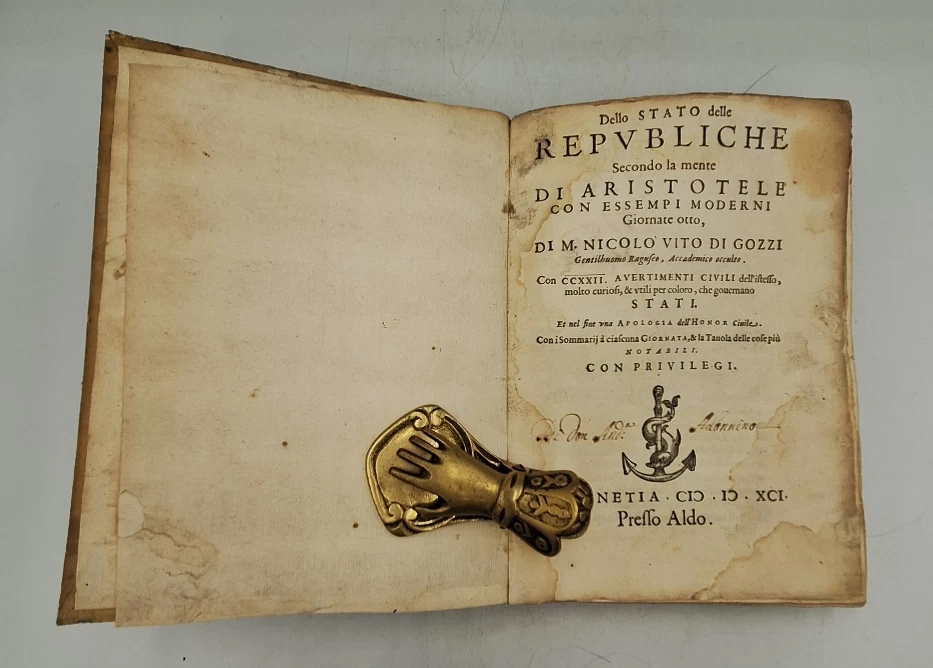
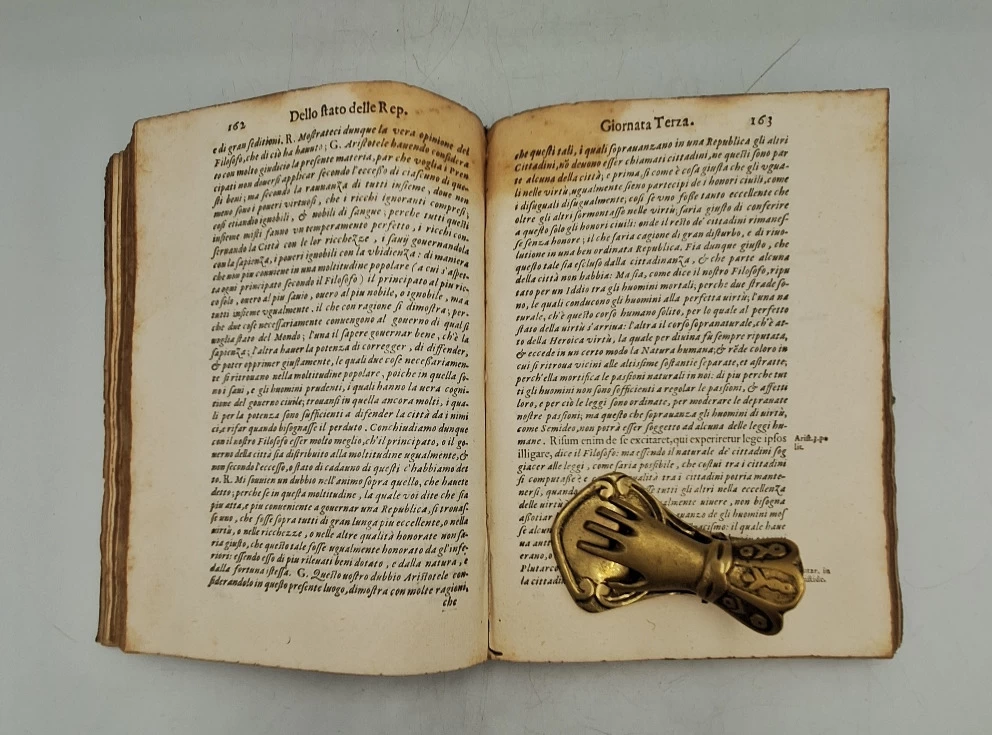
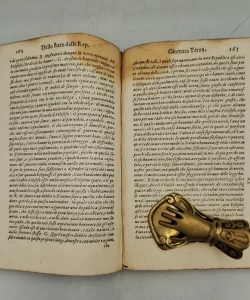
The work DELLO STATO DELLE REPUBLICHE is a fairly faithful and consistent interpretation of Aristotle's Politics. In it, he presents Aristotle's understanding of the state, but connects the primary ethical issues with Plato's theory of ideas and thoughts about the ideal state. It describes different forms of state organization, but also some presentations on the origin, development and emergence of state formations anticipate the thoughts of J.J. Rousseau.
Gučetić advocates a people's (people's) state in which the supreme principles are justice and equality of citizens before the law. The foundation of the state rests on freedom. Power holders must not be privileged so that individuals do not become oppressed and turn into tyrants. Gučetić's description of the organization of government was taken from the then organization of the government of the Republic of Dubrovnik, so it has historical value.
Nikola Vitov Gučetić (Dubrovnik 1549 – 1610) is one of the most important Croatian philosophers and politicians of the 16th century. He received his humanistic education in Dubrovnik schools. He was a high administrative and political official in the Republic of Dubrovnik, and even a prince seven times. She is one of the central figures of the Dubrovnik Renaissance. In his summer house in Trsten, he collected a valuable philosophical and literary library, gathered Dubrovnik Renaissance poets and thinkers. Although he never left the Republic of Dubrovnik, philosophical dialogues in which his friends from Dubrovnik were the co-participants were also read at the Italian universities of the time. He was a member of the Academy of Insenhtorum in Perugia. The most important works are DELLO STATO DELLE REPUBLICHE, DISCORSI SOPRA LA METHEORE D'ARISTOTELE, GOVERNO DELA FAMIGLIA, DIALLOGO DELLA BELEZZA, DIALLOGO D'AMORE.
The work DELLO STATO DELLE REPUBLICHE is a fairly faithful and consistent interpretation of Aristotle's Politics. In it, he presents Aristotle's understanding of the state, but connects the primary ethical issues with Plato's theory of ideas and thoughts about the ideal state. It describes different forms of state organization, but also some presentations on the origin, development and emergence of state formations anticipate the thoughts of J.J. Rousseau.
Gučetić stands for a people's state in which the supreme principles are justice and equality of citizens before the law. The foundation of the state rests on freedom. Power holders must not be privileged so that individuals do not become oppressed and turn into tyrants. Gučetić's description of the organization of the government was taken from the then organization of the government of the Republic of Dubrovnik, so it has historical value.
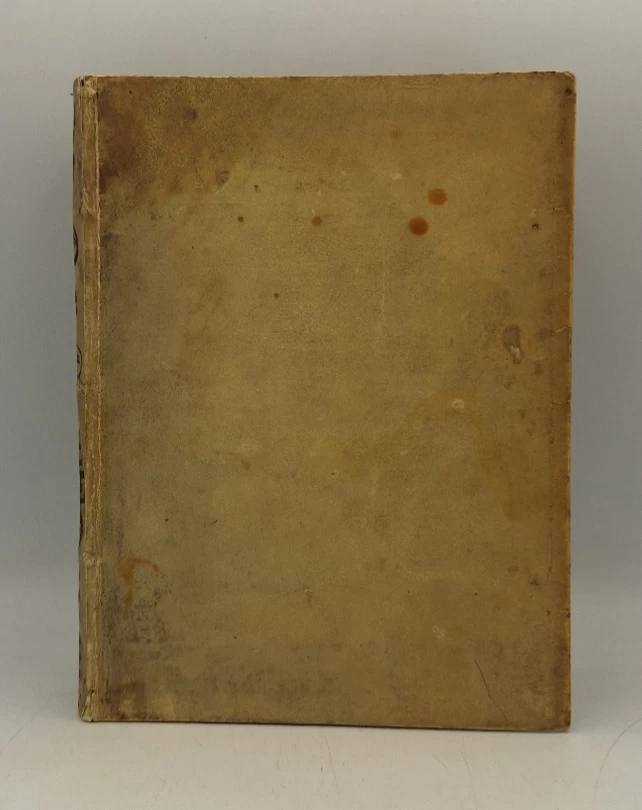
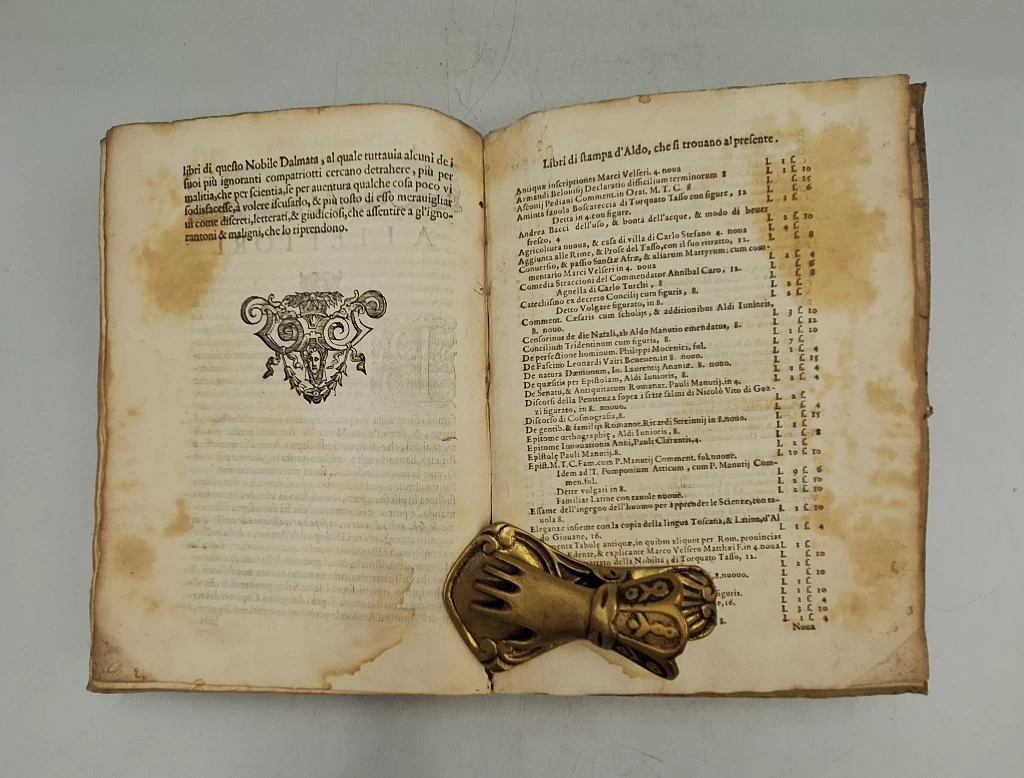
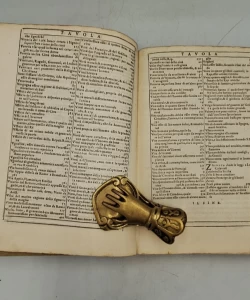
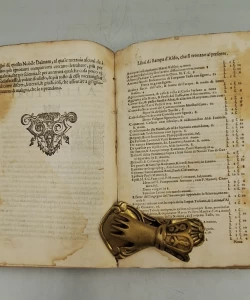
Publisher: Aldo
Place of publication: Venezia
Year of publication: 1591
Number of pages: 451
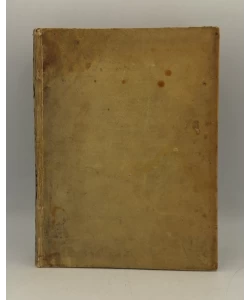
Dimensions: 16.5x22cm
Binding: Hard
Condition: Very good

Biblos Newsletter
New titles, special copies and quiet recommendations from the antiquarian bookshop.