
Summary
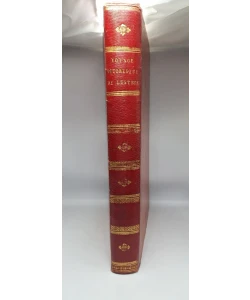
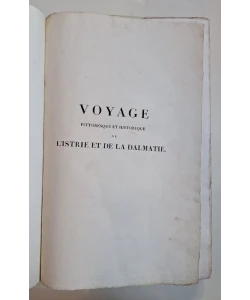
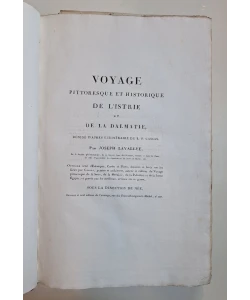
First edition.
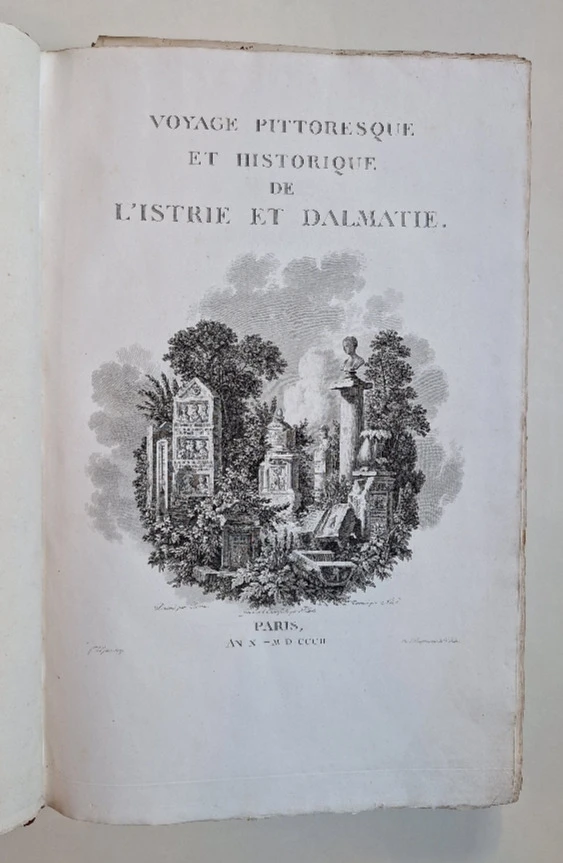
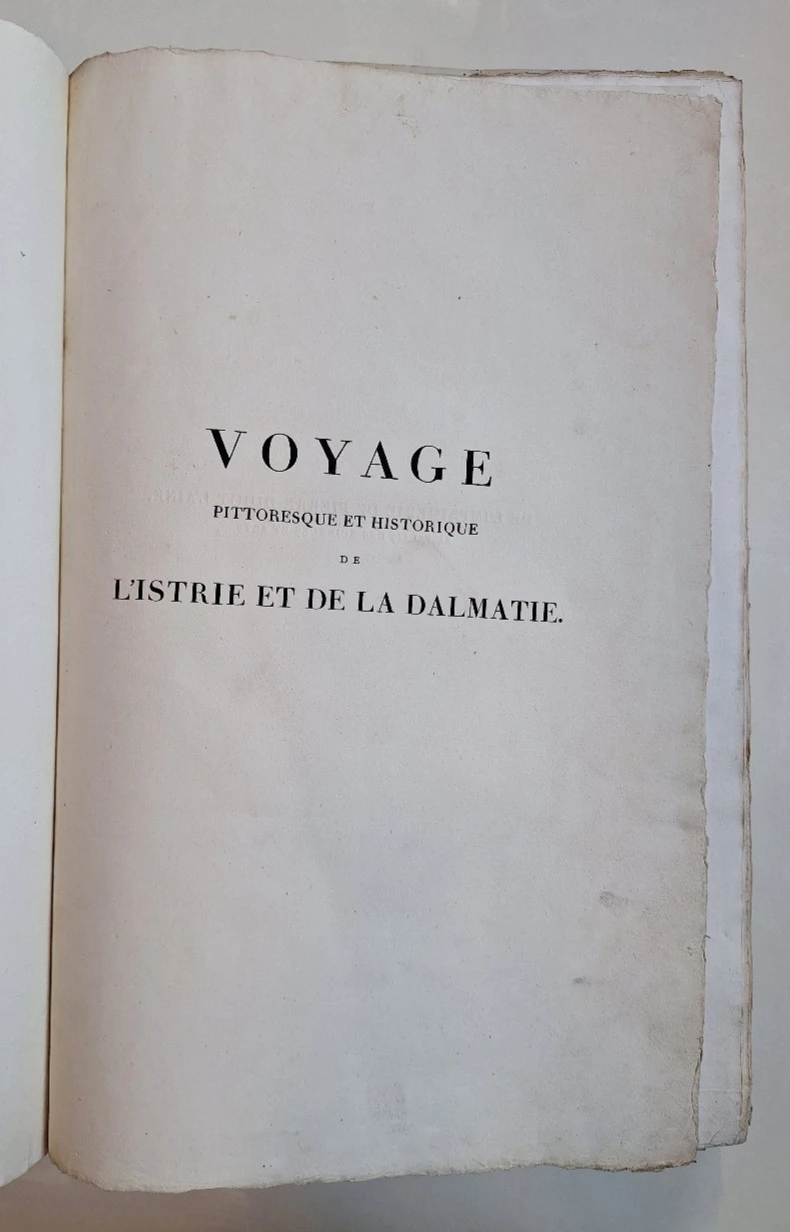
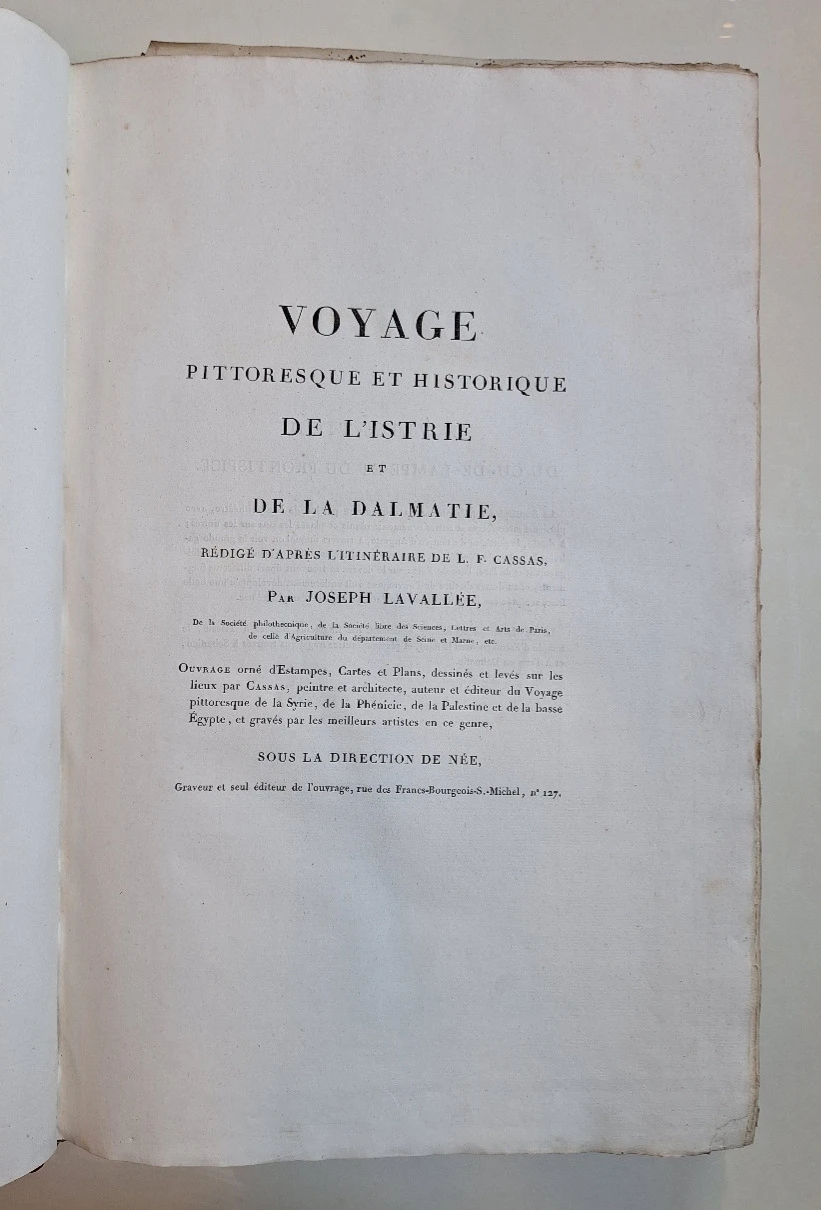
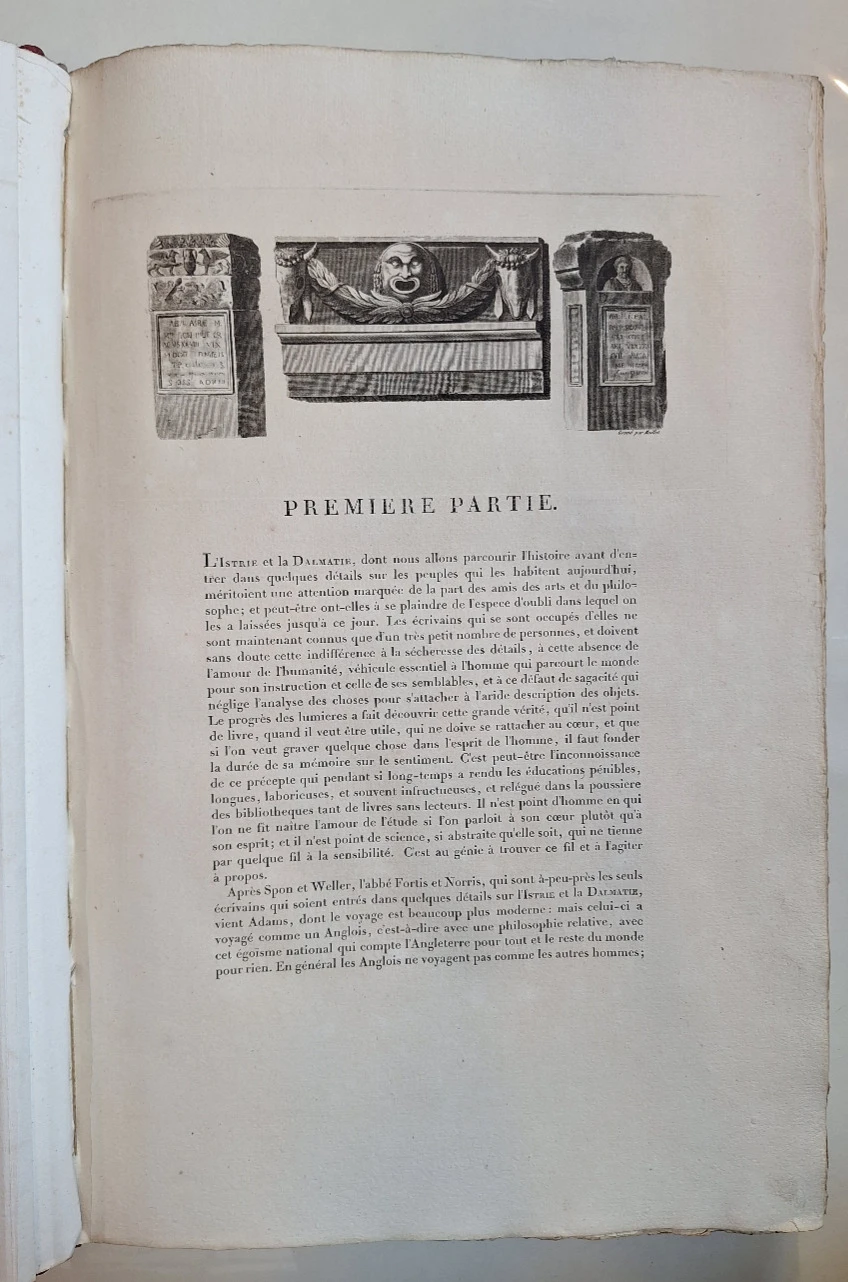
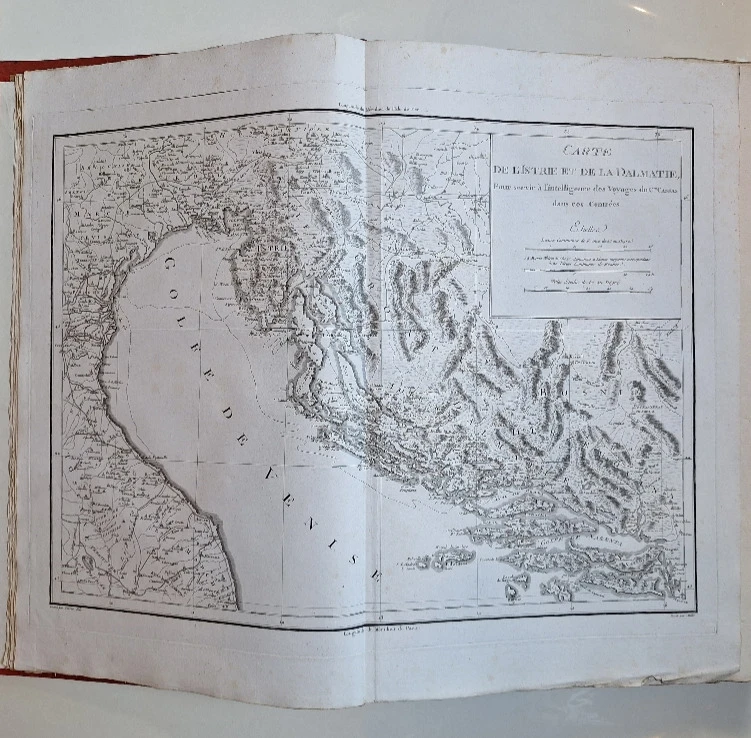
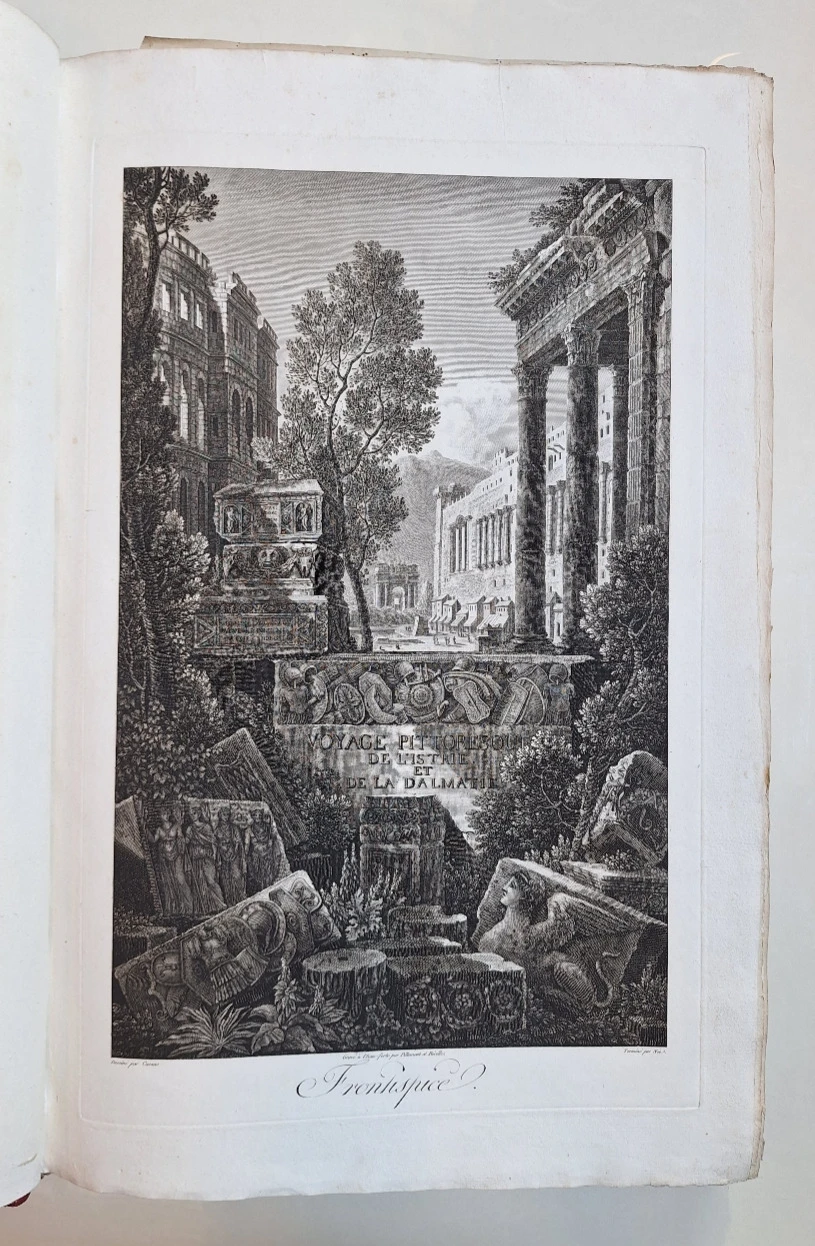
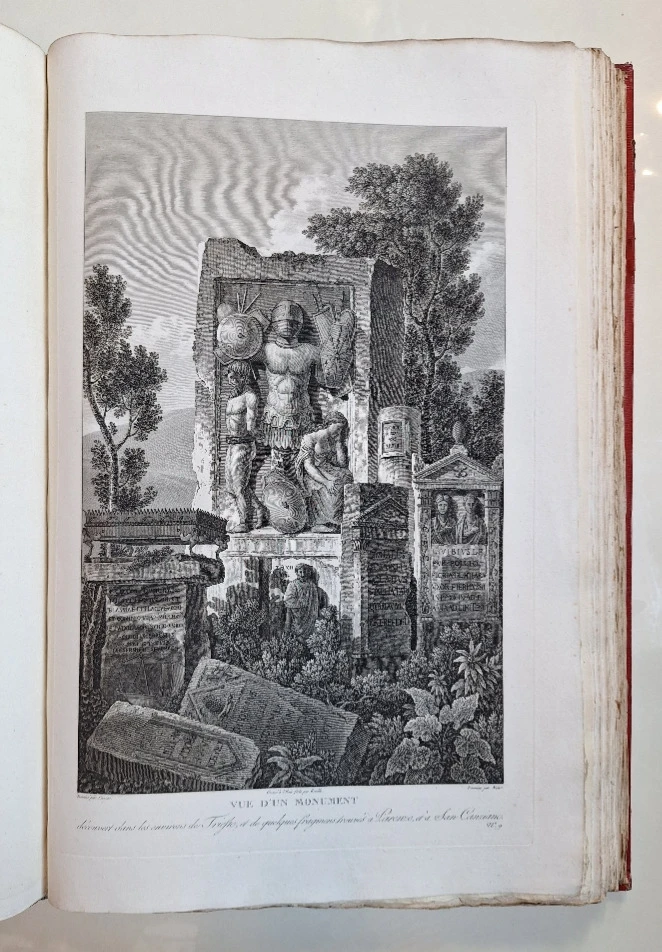
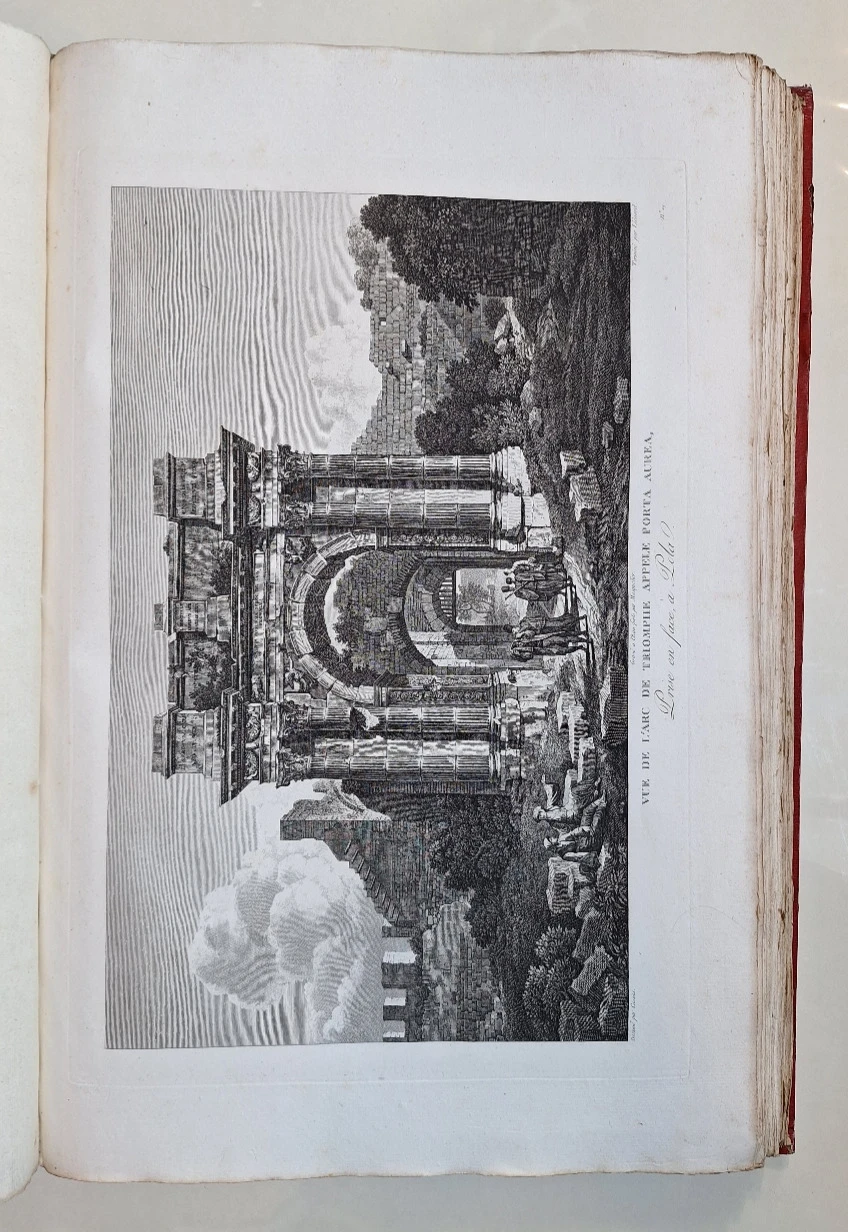
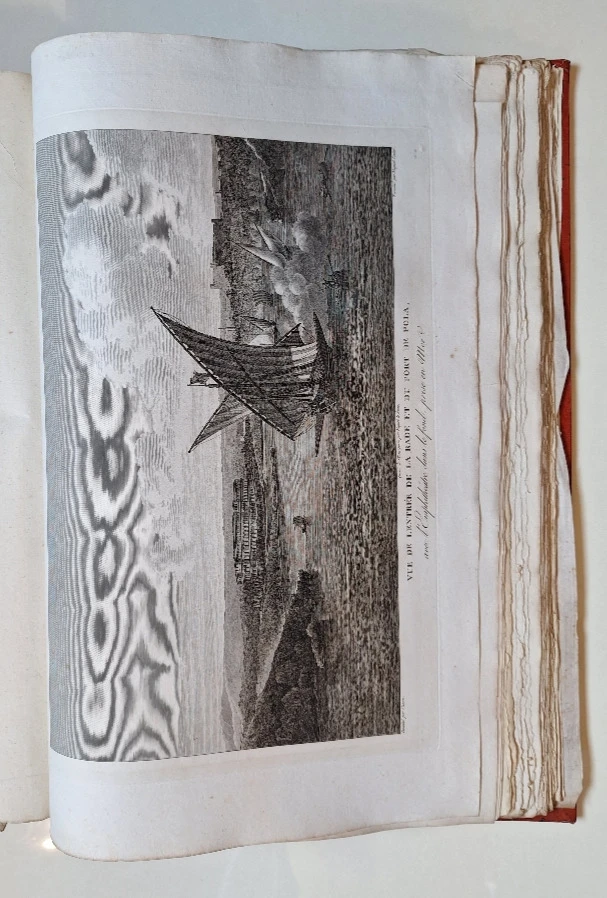
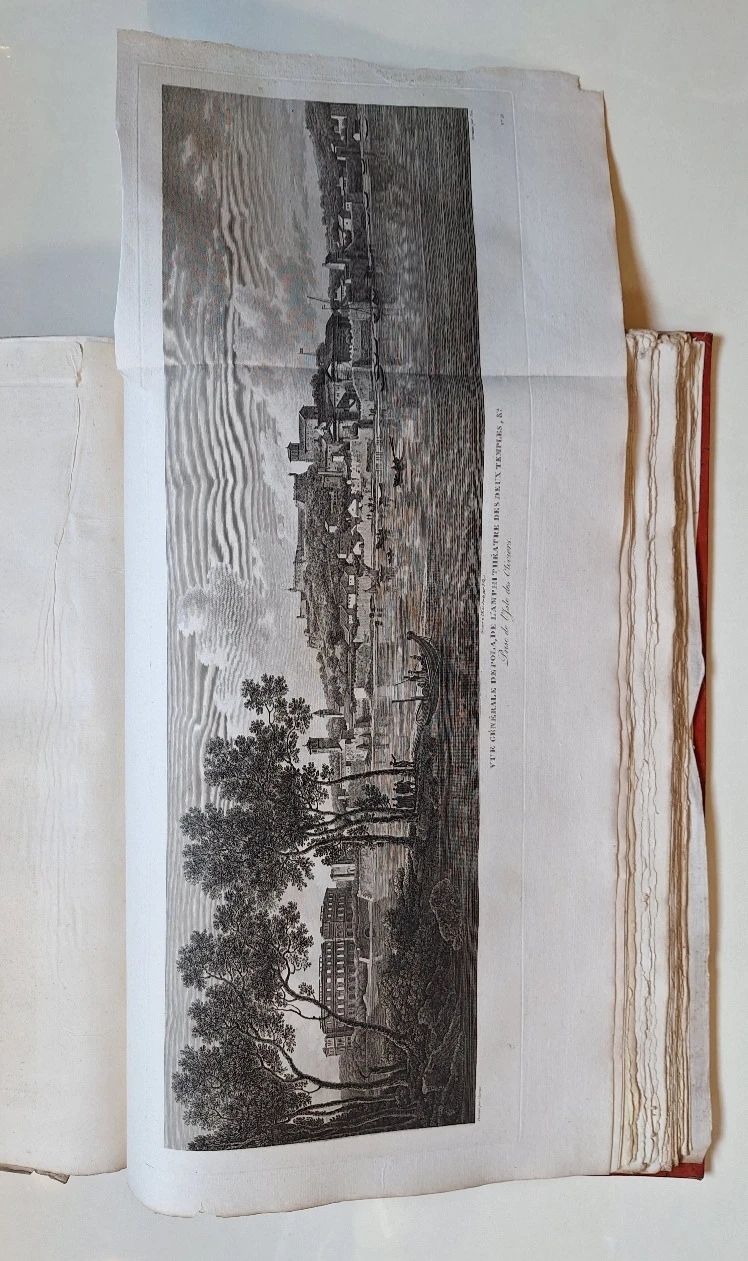
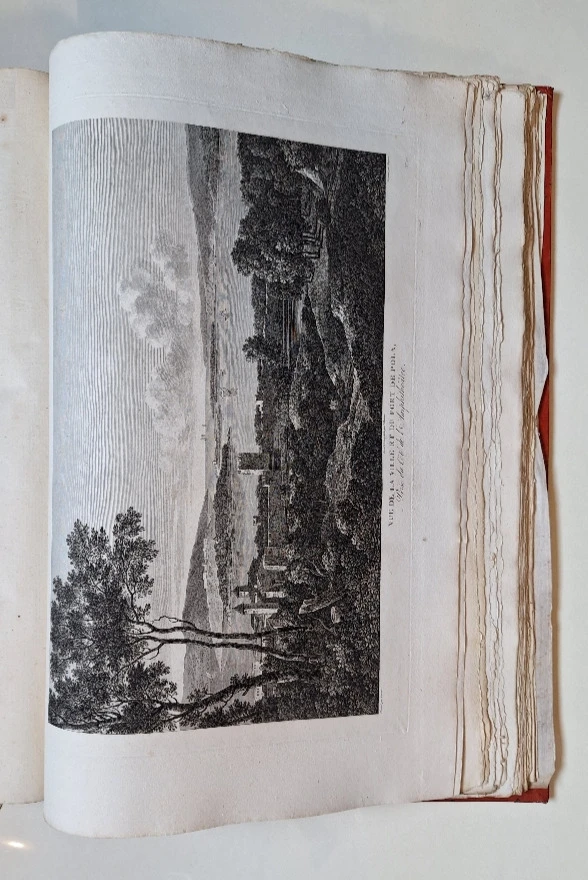
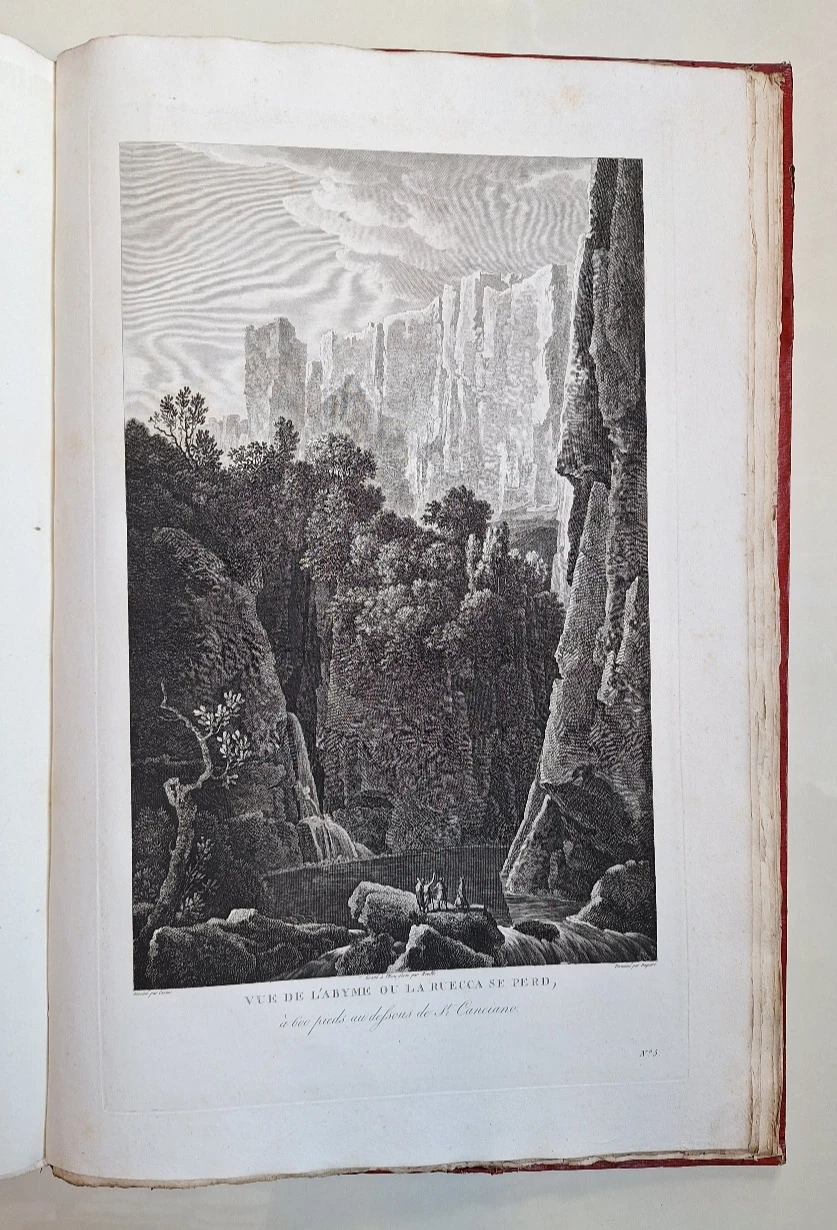
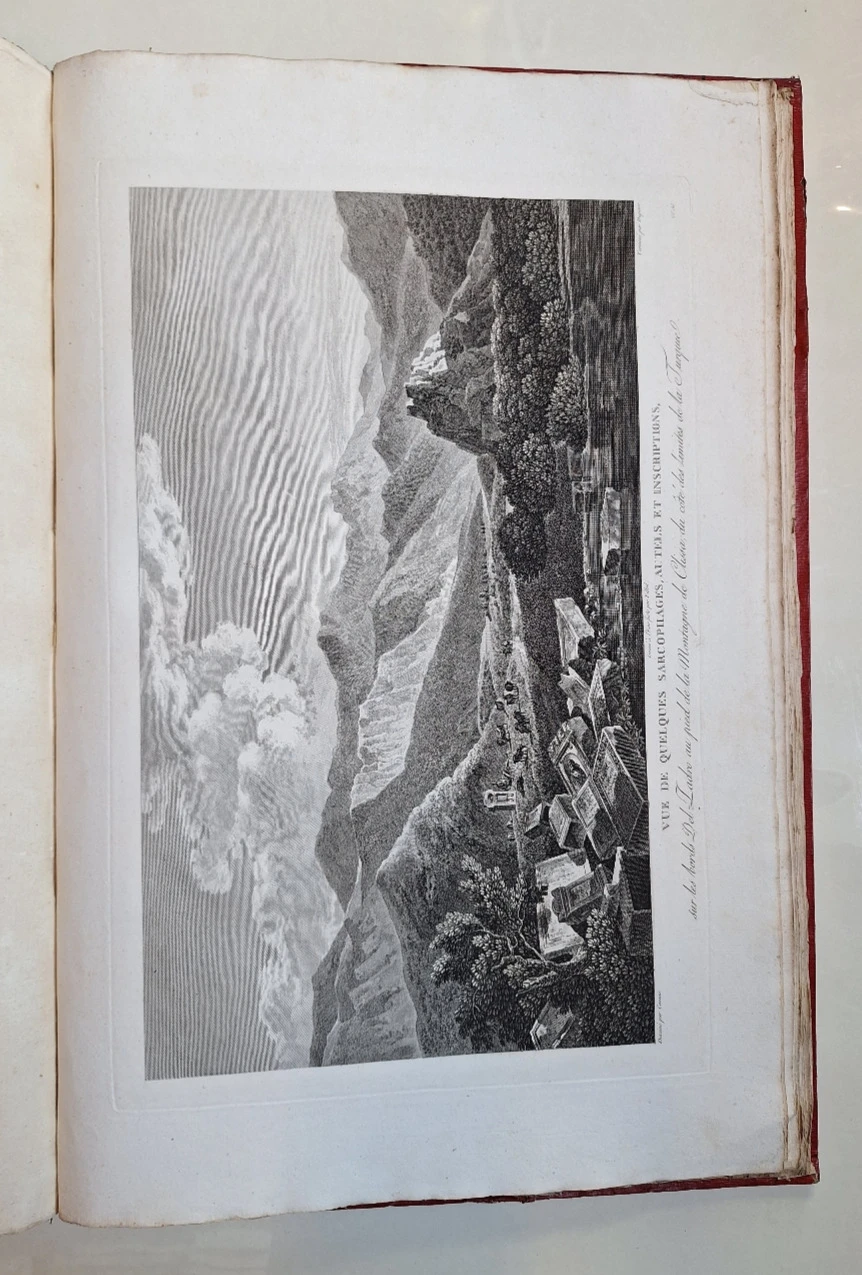
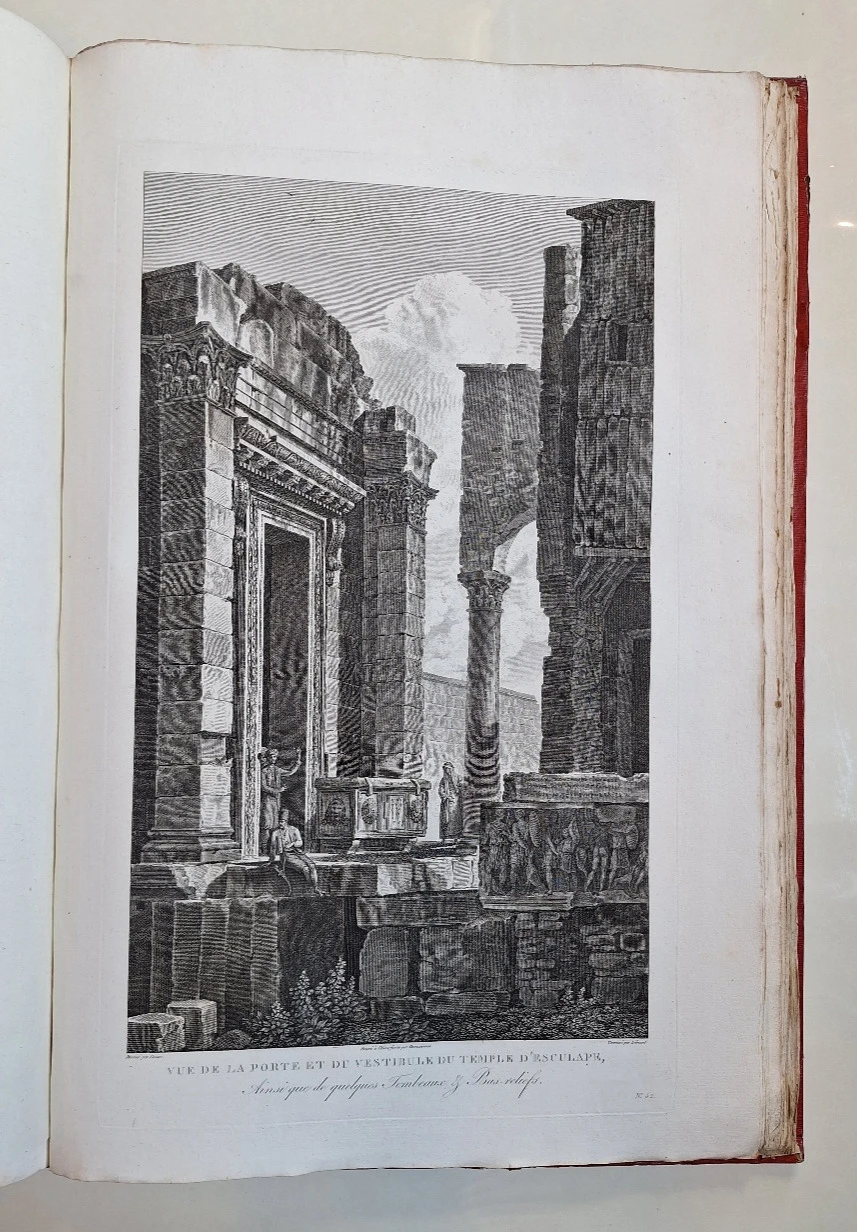
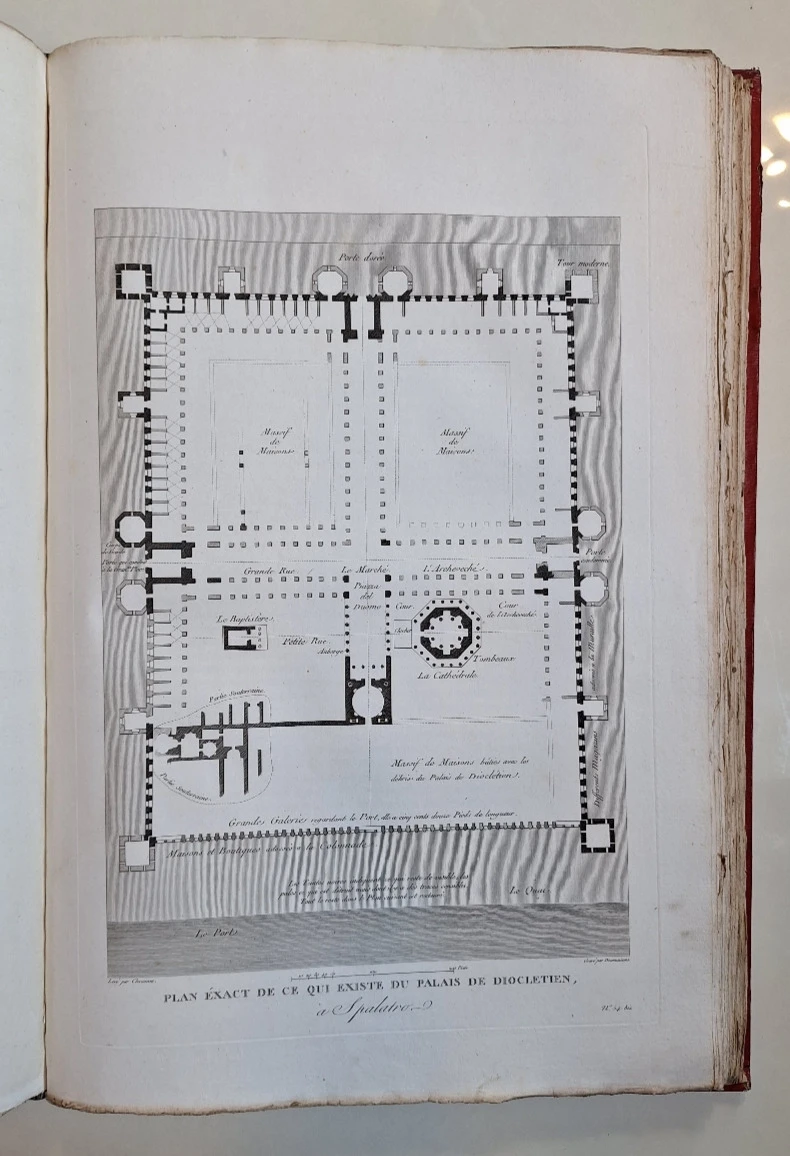
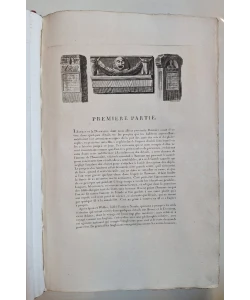
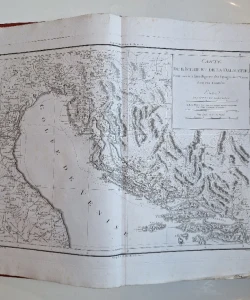
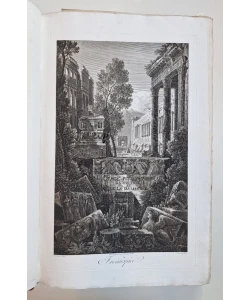
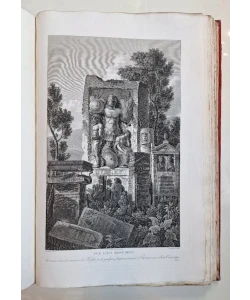
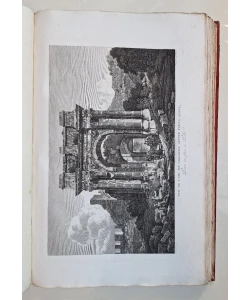
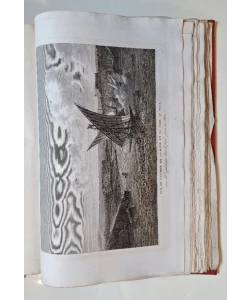
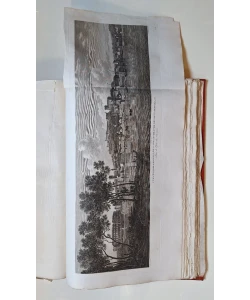
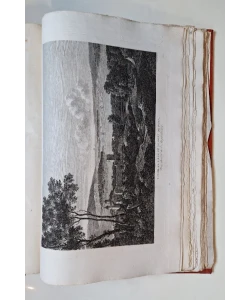
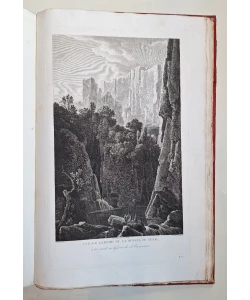
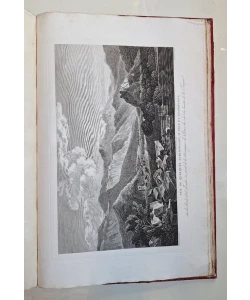
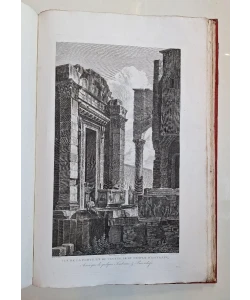
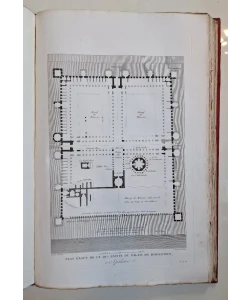
List of subscribers and table of contents at the beginning of the book. Napoleon Bonaparte is among the subscribers. A list of illustrations and two alphabetical indexes (for the first and second part of the book) at the end of the book. Map Carte de l'Istrie et de la Dalmatie, Pour servir à l'Intelligence des Voyages du Cen Cassas dans ces Contrées on a multiple folded sheet between p. 4 and 5. The book was created on the basis of the travel notes (today lost diary), drawings and paintings of Louis François Cassas from his journey along the eastern coast of the Adriatic in 1782, but also on the basis of texts by other authors, primarily Jacob Spon, George Wheler, Albert Fortis and Robert Adam, and is equipped with copper engravings of the cities, landscapes and buildings of the eastern Adriatic coast created according to Cassas' drawings and watercolors. The engravers, who made etchings between 1782 and 1802, were famous French printmakers. The author himself never visited the described regions. The book aroused great interest in France, but also throughout Europe. After the fall of the Venetian Republic in 1797, Dalmatia became part of the Habsburg Monarchy, and a few years later it was annexed to Napoleon's French Empire. The book in question therefore had a clear political significance. The German edition was published as early as 1803 in Vienna, and the English edition in 1805 in London. The work, in addition to research, also contains a painting component, whereby the drawings are not just a mere illustration of the text. The veduta and landscape graphics in the work are a strong artistic expression of Cassas' painting skills. All of them were created on the basis of fifty watercolor drawings that are kept today in the Victoria and Albert Museum in London. The choice of motifs shows Cassas' tendency towards romanticism. The painter did not rigidly adhere to classicist norms, but consciously incorporated romantic buildings of the later period into his landscapes, such as medieval towers and walls, in order to make them more picturesque. The displays are rich in vegetation painted very precisely and in the spirit of the French Rococo landscape. In his vedutas, Cassas very often puts the dark silhouettes of trees in the foreground in order to increase the depth of the image.
Lavallée, Joseph / Cassas, Louis-Francois
Joseph Lavallée (Dieppe, 8/23/1747 – London, 2/28/1816) – French writer. He began his military career and became the commander of an infantry regiment in Brittany, but soon, encouraged by the success and good reception in literary circles of the poems he published in various magazines, he became a freelance artist - writer. He moved to Paris and became an associate of the Paris museum, and later he was the secretary of the Philotechnic Society. He knew many European languages. He was interested in historical, travel and other topics. After the fall of Napoleon, he fled to London, where he died. / Louis-François Cassas (Azay-le-Ferron, 1756 – Versailles, 1827) – French painter and illustrator. Studied painting in Paris, and from 1778 lived in Rome. As a painter, he was interested in ancient monuments and the landscapes in which they were located, which is why he traveled through Italy, the eastern coast of the Adriatic, Greece, the Middle East and Egypt. In 1782, he visited the cities on the eastern Adriatic coast, from Trieste to Split, while making drawings and watercolors of landscapes and ancient monuments. In Paris in 1806, he opened a permanent exhibition of miniature models of architecture from different countries. For the restorations of Louis XVIII. in 1816 he became a supervisor and drawing teacher in tapestry workshops.
List of subscribers and table of contents at the beginning of the book. Napoleon Bonaparte is among the subscribers. A list of illustrations and two alphabetical indexes (for the first and second part of the book) at the end of the book. Map Carte de l'Is
trie et de la Dalmatie, Pour servir à l'Intelligence des Voyages du Cen Cassas dans ces Contrées on a multiple folded sheet between p. 4 and 5. The book was created on the basis of the travel notes (today lost diary), drawings and paintings of Louis François Cassas from his journey along the eastern coast of the Adriatic in 1782, but also on the basis of texts by other authors, primarily Jacob Spon, George Wheler, Albert Fortis and Robert Adam, and is equipped with copper engravings of the cities, landscapes and buildings of the eastern Adriatic coast created according to Cassas' drawings and watercolors. The engravers, who made etchings between 1782 and 1802, were famous French printmakers. The author himself never visited the described regions. The book aroused great interest in France, but also throughout Europe. After the fall of the Venetian Republic in 1797, Dalmatia became part of the Habsburg Monarchy, and a few years later it was annexed to Napoleon's French Empire. The book in question therefore had a clear political significance. The German edition was published as early as 1803 in Vienna, and the English edition in 1805 in London. The work, in addition to research, also contains a painting component, whereby the drawings are not just a mere illustration of the text. The veduta and landscape graphics in the work are a strong artistic expression of Cassas' painting skills. All of them were created on the basis of fifty watercolor drawings that are kept today in the Victoria and Albert Museum in London. The choice of motifs shows Cassas' tendency towards romanticism. The painter did not rigidly adhere to classicist norms, but consciously incorporated romantic buildings of the later period into his landscapes, such as medieval towers and walls, in order to make them more picturesque. The displays are rich in vegetation painted very precisely and in the spirit of the French Rococo landscape. In his vedutas, Cassas very often puts the dark silhouettes of trees in the foreground in order to increase the depth of the image.
Lavallée, Joseph / Cassas, Louis-Francois
Joseph Lavallée (Dieppe, August 23, 1747 – London, February 28, 1816) – French writer. He began his military career and became the commander of an infantry regiment in Brittany, but soon, encouraged by the success and good reception in literary circles of the poems he published in various magazines, he became a freelance artist-writer. He moved to Paris and became an associate of the Paris museum, and later he was the secretary of the Philotechnic Society. He knew many European languages. He was interested in historical, travel and other topics. After the fall of Napoleon, he fled to London, where he died. /
Louis-François Cassas (Azay-le-Ferron, 1756 – Versailles, 1827) – French painter and illustrator. Studied painting in Paris, and from 1778 lived in Rome. As a painter, he was interested in ancient monuments and the landscapes in which they were located, which is why he traveled through Italy, the eastern coast of the Adriatic, Greece, the Middle East and Egypt. In 1782, he visited the cities on the eastern Adriatic coast, from Trieste to Split, while making drawings and watercolors of landscapes and ancient monuments. In Paris in 1806, he opened a permanent exhibition of miniature models of architecture from different countries. For the restorations of Louis XVIII. in 1816 he became a supervisor and teacher of drawing in tapestry workshops.
Publisher: P. Didot L'aine
Place of publication: Paris
Year of publication: 1802
Number of pages: 190
Dimensions: 34.5x52cm
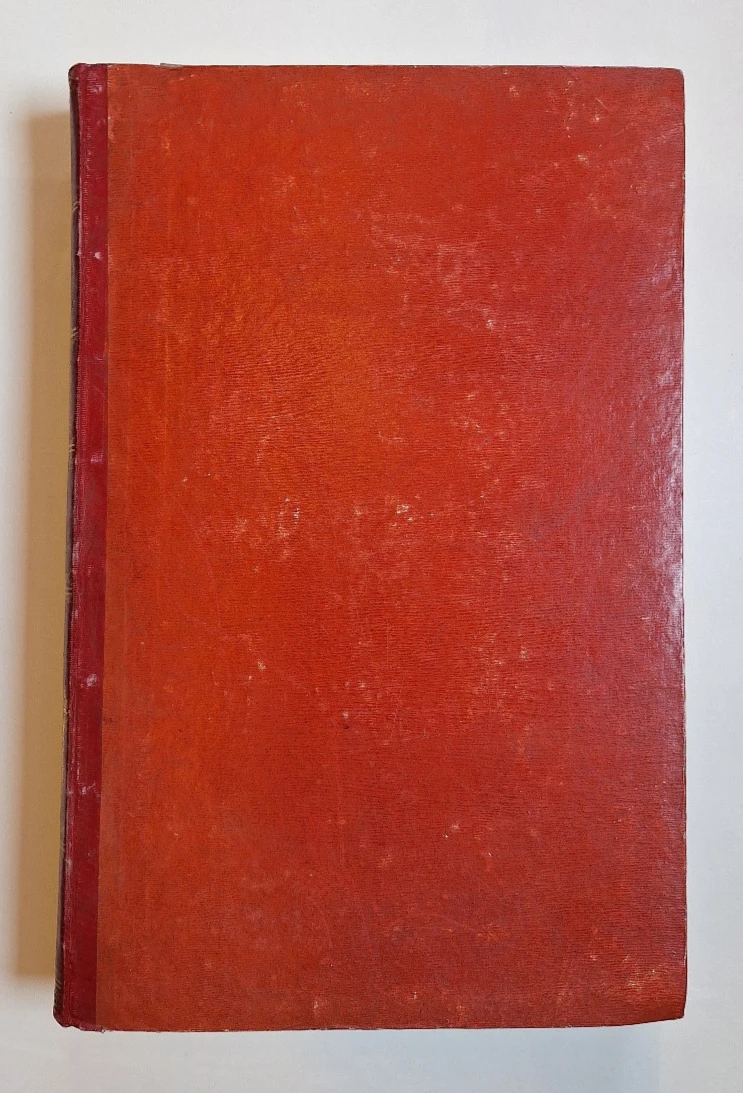
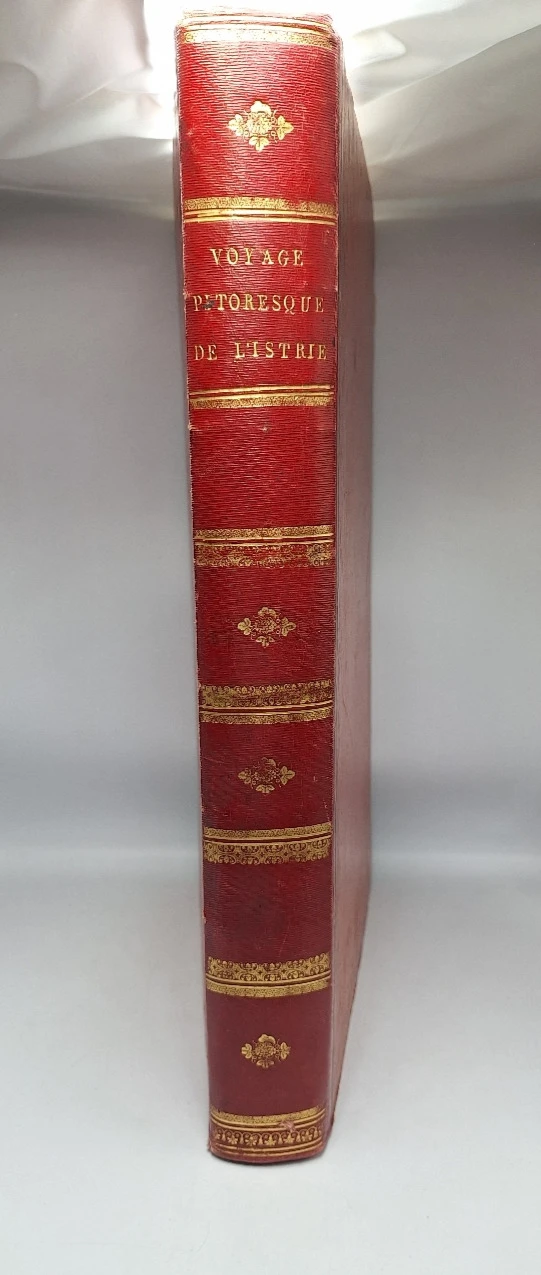
Binding: Hard
Condition: Very good
Keywords: first edition, Istria, Dalmatia, Croatia

Biblos Newsletter
New titles, special copies and quiet recommendations from the antiquarian bookshop.