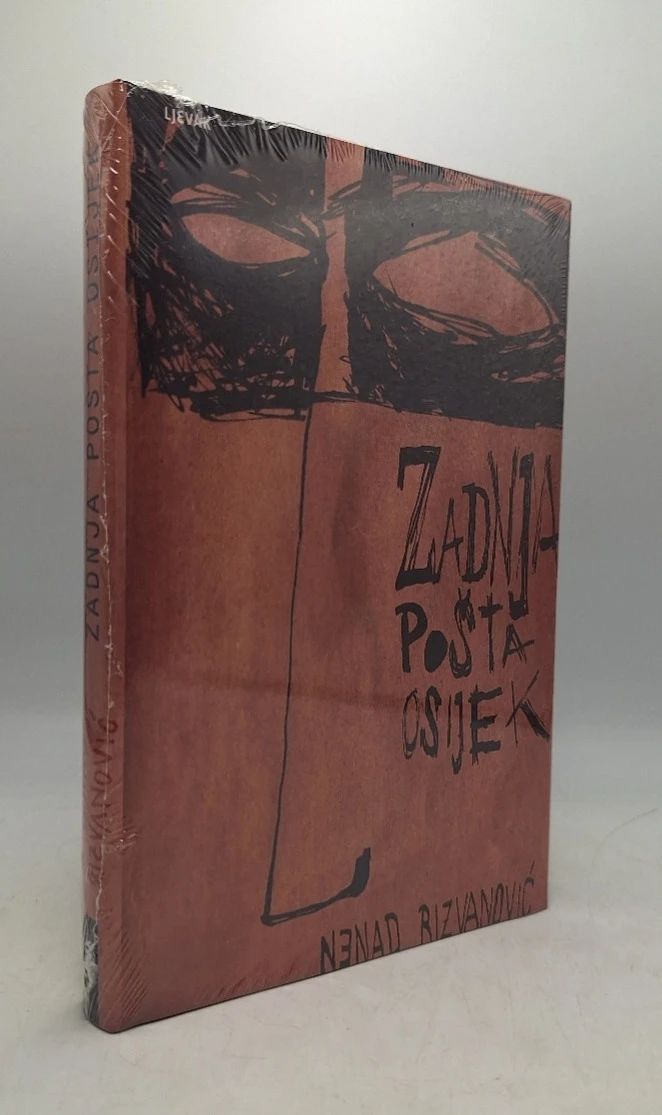
Zadnja pošta Osijek
Basic information
- Author: Rizvanović Nenad
- Publisher: Naklada Ljevak d.o.o.
- Availability: Available
- Condition: New book
- Code: 84163
Shipping options
Payment methods
Explore more
Zadnja pošta Osijek
Rizvanović Nenad
Summary
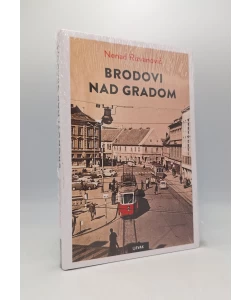
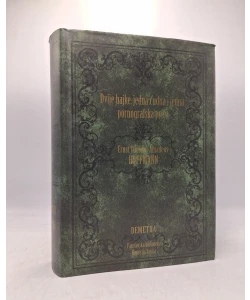
Nenad Rizvanović: Last Post Osijek
The novel Last Post Osijek is an unusual picaresque of an anti-hero who, while narrating his life - a biography that, of course, should not be completely trusted - actually narrates Osijek's twentieth century, but also that of Slavonia, Croatia, Austria-Hungary and Yugoslavia.
The greatest value of this novel lies in its style and its special element: completely unforced language. From the beginning, this prose, especially compared to the burden of rules of syntax and vocabulary of local writers, creates the feeling of narrators and characters speaking naturally and freely. Although this naturalness is an illusion, the writer's skill is to make the narration and speech of the characters natural and uninhibited - from dialogue, internal monologues, through testimonies that are on the border of a kind of record or transcript of the speech of a mad narrator and modernist grotesque, to the heroine's thoughts and reminiscences about the battles of the First World War on the front lines of the European East.
The author takes many liberties in stylistic choices, especially those related to language and vocabulary, are rarely seen in domestic literature. His Slavonians sound persuasive precisely because the author removes and removes language restrictions, lexical and syntactic ones above all, reductions that were mostly imposed by ideology. The language standard of another time, dialectalisms, "Swabian", "Shoka", "Eastern", idiomatic expressions, Slavonic ikavica and ekavica, loanwords, the speech of the city, colloquialisms, all these are mixed at the point where the narrator tries to unify his language, discourse, attitudes, thoughts and his own history, which takes place through the general, political and, unfortunately, history of conflicts, wars, hatred and misunderstandings of loved ones.
Additional information
- Author: Rizvanović Nenad
- Publisher: Naklada Ljevak d.o.o.
- Year of publication:2025
- Place of publication:Zagreb
- Pages:187
- Dimensions:14.5x21.5 cm
- Script:Latin script
- Condition:New book
- Binding:Hardcover
Reviews
0 reviewsWrite a review
Share your experience and help other readers choose.
This item has no reviews yet. Be the first to share your experience.
More books by Rizvanović Nenad
More books from Naklada Ljevak d.o.o.



You may also like




Recently viewed