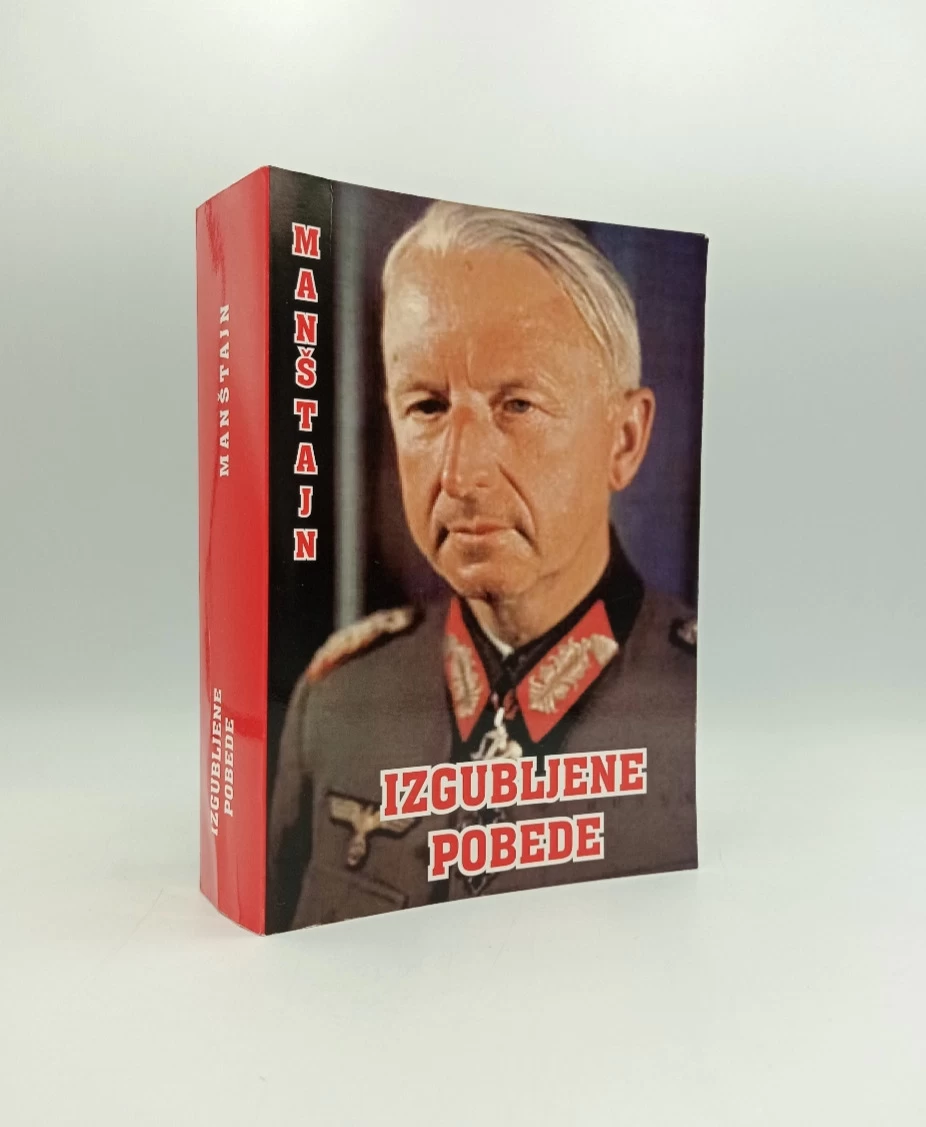
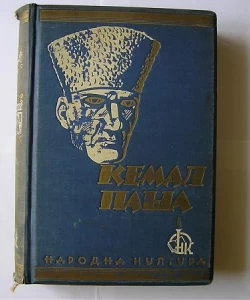
Erich von Manstein: Lost Victories
Field Marshal Erich von Manstein was the best German military leader in World War II. In fact, he was the only one who knew everything: to strategically design an operation (as he did by designing the German attack on Western Europe in the spring of 1940), to lead large formations in the offensive, but also what is militarily the most difficult - to lead large formations in retreat. Quite enough for Basil Liddell Hart to simply declare him a military genius. Eh, now, when this von Manstein was like that, then it was expected that he wrote the best military memoirs about the Second World War on the German side.
The memoirs of von Manstein are a combination of small historical 'tickles' (for example, about the way in which Field Marshal von Rundstedt read crime stories in his free time, how Croatian sailors helped him on the Black Sea or how the commands during the campaign in France were located in comfortable castles, and during the campaign in the Soviet Union wherever they could go) and military analyzes of the battles in which he participated until the spring of 1944, when Hitler retired him. These military analyzes (recommended to be read with the map) are the most important and most brilliant part of the book. Only a slightly less important part of the book is Manstein's analysis of Hitler. He sees him as a politician who deals with military affairs, which he does not understand enough, and in which he is further limited by the fact that he is a politician and a dictator. Hitler often comes with Göring (somewhat less often also Himmler) and this is where you can see the depth of the gap in Nazi Germany between the Nazis who wanted to be military leaders and the soldiers who didn't really think much about political goals, but didn't want politics to interfere operationally with their military work.
However, the character and worldview of von Manstein. He is primarily a German officer of the imperial forge. For him, the Russians, although he never denies their courage (on the contrary), are somewhat less valuable and somewhat wilder people. He states that atrocities were committed in the Soviet Union at the beginning of the war, but there is no mention of the Germans committing any crimes, except for the infamous "commissar's order" (which, of course, he refused to carry out). The imperial German spirit of the Prussian officer is also evident in the fact that Manstein, as a true soldier, does not think much about politics. When he describes in detail the war operations on the soil of the USSR, he does not ask the question "what are we doing in someone else's homeland?". For him, the attack on the USSR was almost a given, because if Germany had not attacked the USSR, he would have attacked Germany, so Germany had to attack the USSR. Geopolitical considerations are otherwise the weaker part of this militarily impressive book.