
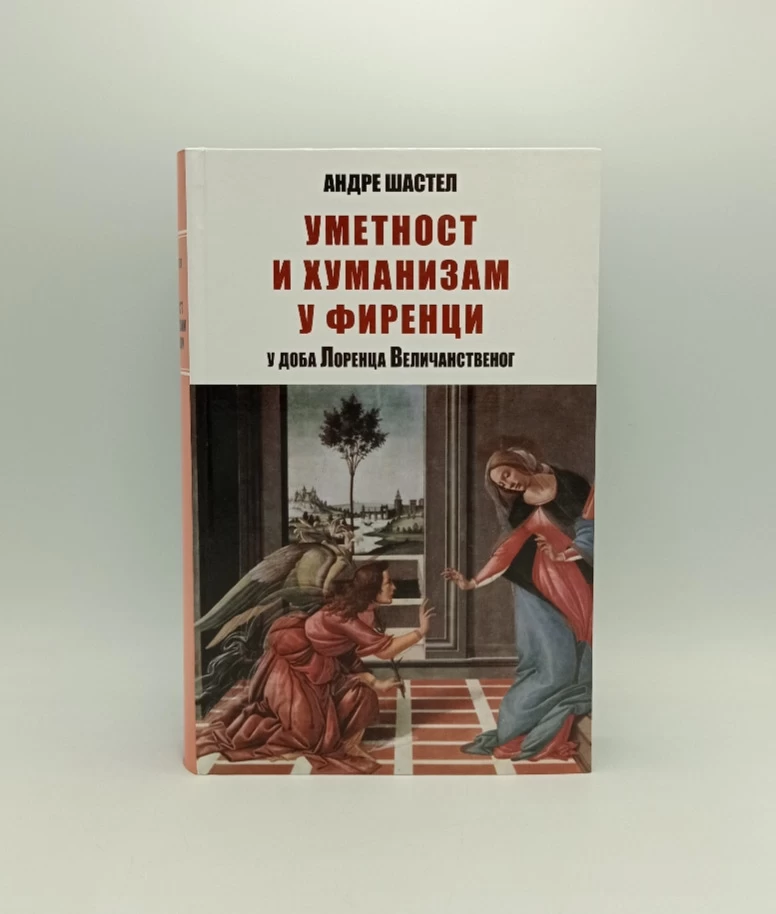
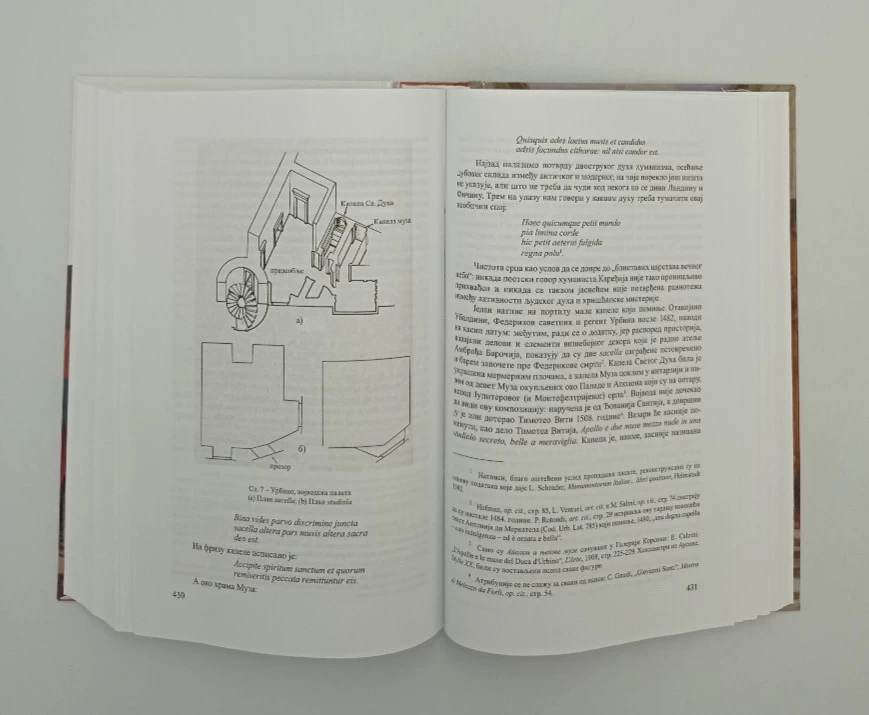
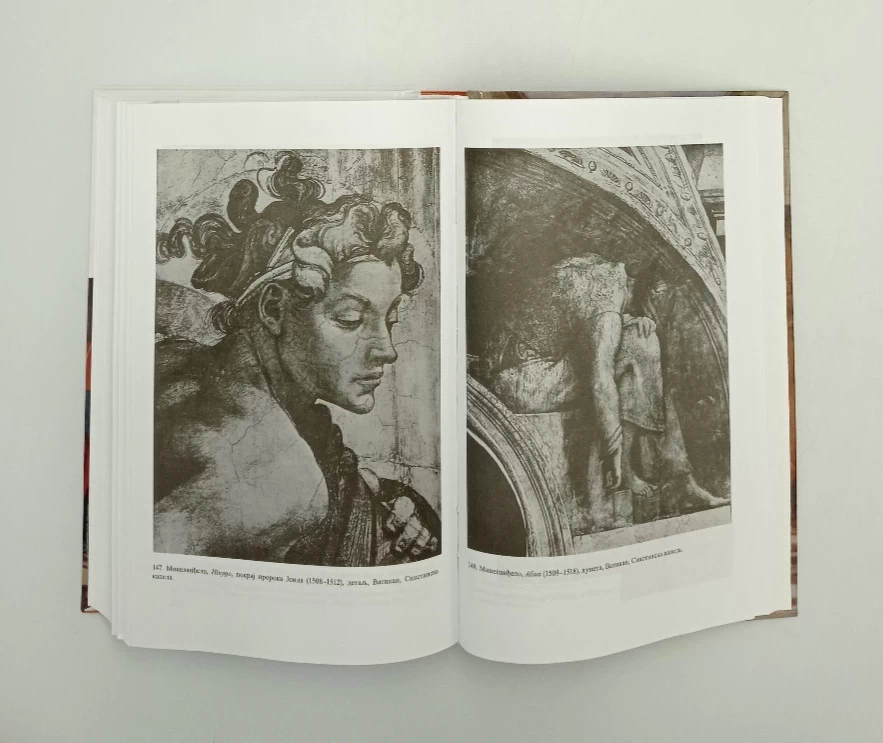
Umetnost i humanizam u Firenci u doba Lorenca Veličanstvenog
Basic information
- Author: Chastel Andre
- Publisher: Izdavačka knjižarnica Zorana Stojanovića
- Availability: Available
- Condition: New book
- Code: 59609
Shipping options
Payment methods
Explore more
Umetnost i humanizam u Firenci u doba Lorenca Veličanstvenog
Chastel Andre
Summary
Andre Chastel: Art and Humanism in Florence in the Age of Lorenzo the Magnificent
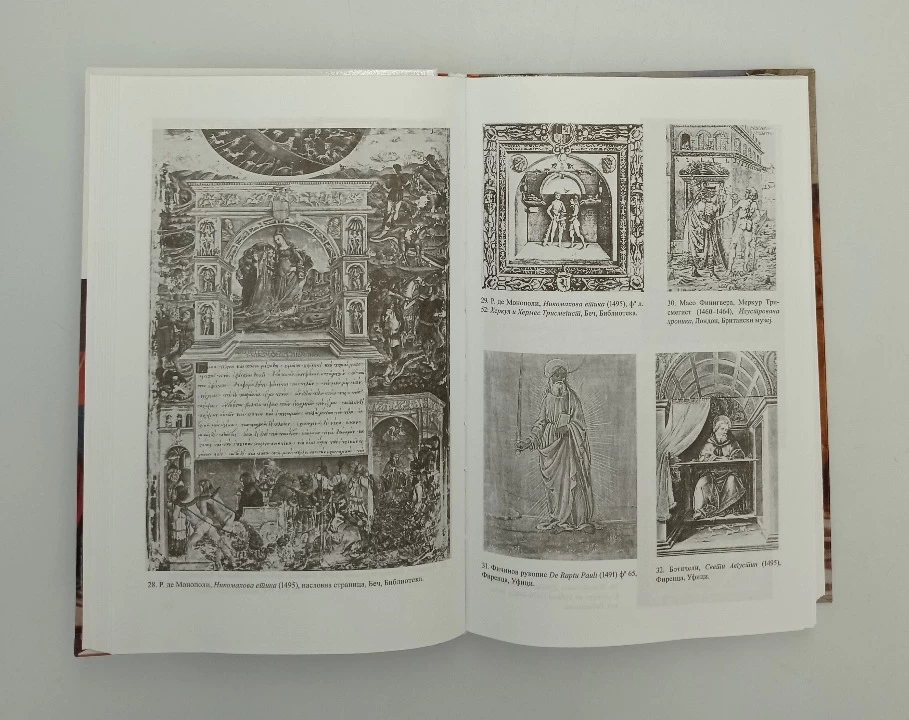
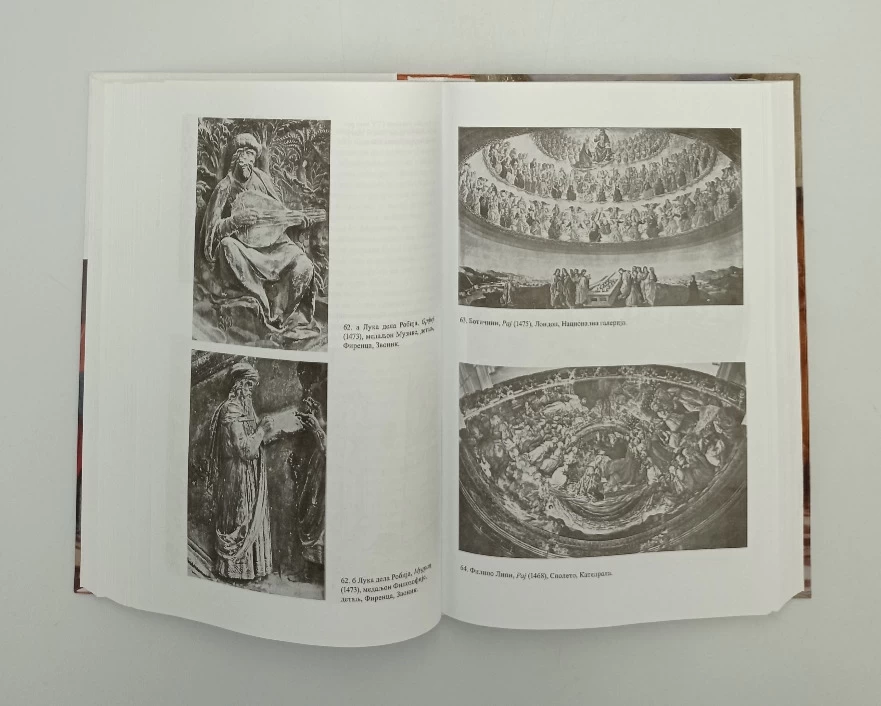
Andre Chastel's work, Art and Humanism in Florence in the Age of Lorenzo the Magnificent is the author's doctoral thesis. He reworked it twenty years after the defense. With this work, at the peak of his career, he tried to give a new form to his long-term dealing with this topic, which was also dealt with by great scientists such as Burckhardt and Panofsky. Chastel puts his work in relation to their research by criticizing their approach to the Renaissance. The questions he tried to answer in this book relate to both art and philosophy. He is interested in whether a philosophy of art can be developed based on the works of the Tuscan humanist school in the last third of the fifteenth century, and what this humanism owes to the artistic activities in Florence at the time of Lorenzo. Avoiding the trap of searching for an all-encompassing view of the "spirit of the age", Chastel concentrated on specificities, doubts and ambiguities - in the philosophical circles around the Medici family and among artists. The division of the study into three parts guarantees an exhaustive insight into all topics that the author deals with in the book. For his doctorate, Chastel was awarded an award from the French Academy of Arts. This book invites us to reconsider the views on the role of art in the Florentine and later Roman Renaissance and tries to offer us a general model for considering the problem of the close relationship between art and culture. One of her most significant assumptions is that there was no Frentine golden age, and this is supported by a large number of facts. Chastel shows us that, during the Quattrocento, artists in certain aspects of the intellectual culture of their time discovered a whole series of new themes for which they sought new symbols. Giving a very exhaustive table of the relationship between the ideas of that time and the themes or values that art dealt with, Chasel points to the symbiosis that existed between art and humanism in the Quattrocento and prioritizes the development of speculative thought in its Neoplatonic form.
Additional information
- Author: Chastel Andre
- Publisher: Izdavačka knjižarnica Zorana S...
- Year of publication:2015
- Place of publication:Novi Sad
- Pages:604
- Dimensions:16x24 cm
- Script:Cyrillic script
- Condition:New book
- Binding:Hardcover
Reviews
0 reviewsWrite a review
Share your experience and help other readers choose.
This item has no reviews yet. Be the first to share your experience.
More books from Izdavačka knjižarnica Zorana Stojanovića
You may also like