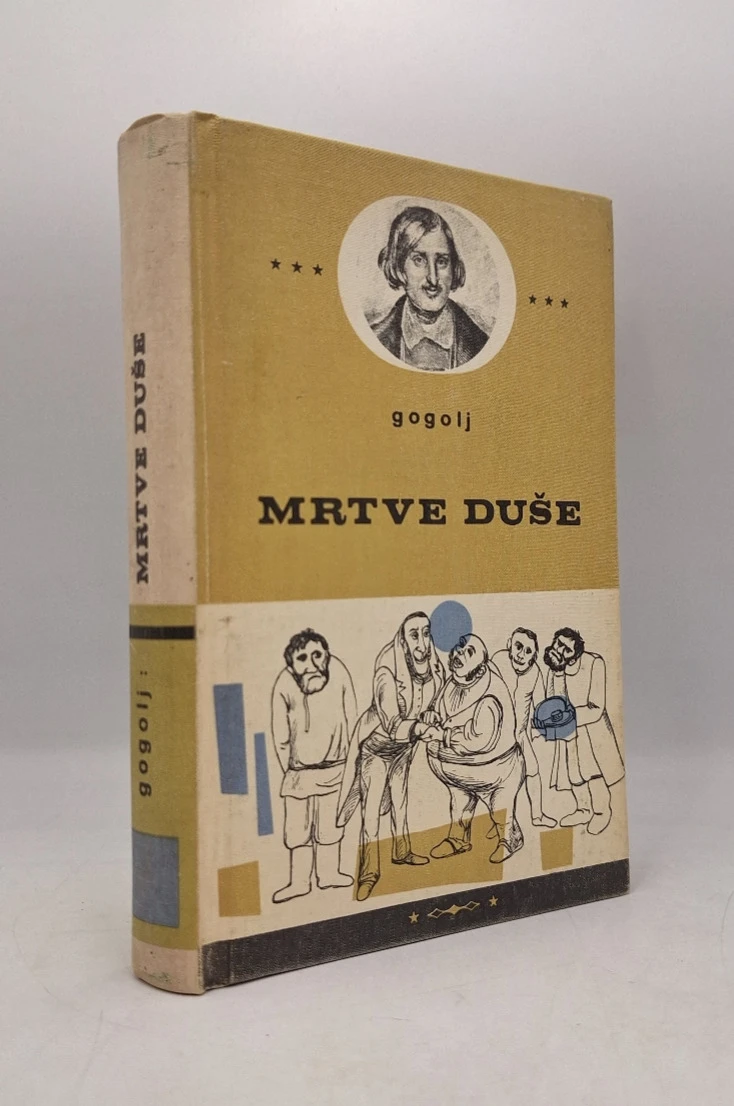
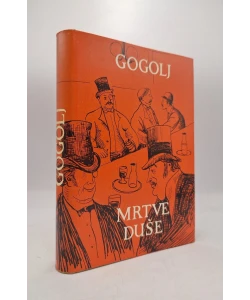
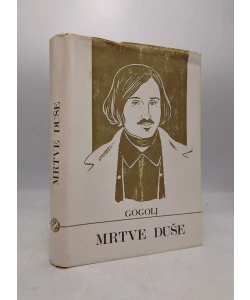
Mrtve duše
Basic information
- Author: Gogolj Nikolaj Vasiljevič
- Publisher: Matica hrvatska
- Availability: Available
- Condition: Good
- Code: 14047
Shipping options
Payment methods
Explore more
Mrtve duše
Gogolj Nikolaj Vasiljevič
Summary
Gogol: Dead Souls
A masterpiece of Russian literature. A clerk arrives in an unnamed town in a Russian province, neither beautiful nor ugly, neither too fat nor too thin, neither old nor young. Immediately after his arrival, the main character Pavla Ivanovich Chichikov sets out to meet well-known residents, the provincial administration and local landowners, and then visits their estates in turn, buying "dead souls". In feudal Russia of the first half of the 19th century, owners paid taxes on all their movable and immovable property, including serfs, i.e. souls. Since the inventory of property was done every five years, the lord also paid taxes on those peasants who had died in the meantime. Čičikov uses this loophole in the law, buying deceased peasants, that is, their names, which he then intends to pledge as his property and thus extract a lot of money from the state coffers. The understanding of Gogol's novel from the very beginning caused disagreements and polemics: while some believed that it was a satirical depiction of Russia at that time, the feudal system and the corrupt bureaucratic apparatus, others recognized in the novel the apotheosis of the Russian idea, written by the pen of a religious mystic. Like most masterpieces of world literature, the novel Dead Souls remains open to a large number of interpretations and an inexhaustible source of pleasure for generations of readers.
Additional information
- Author: Gogolj Nikolaj Vasiljevič
- Publisher: Matica hrvatska
- Year of publication:1965
- Place of publication:Sarajevo
- Pages:385
- Dimensions:15.5x20.5 cm
- Script:Latin script
- Condition:Good
- Binding:Hardcover
Reviews
0 reviewsWrite a review
Share your experience and help other readers choose.
This item has no reviews yet. Be the first to share your experience.
More books by Gogolj Nikolaj Vasiljevič
More books from Matica hrvatska
You may also like