
Sažetak
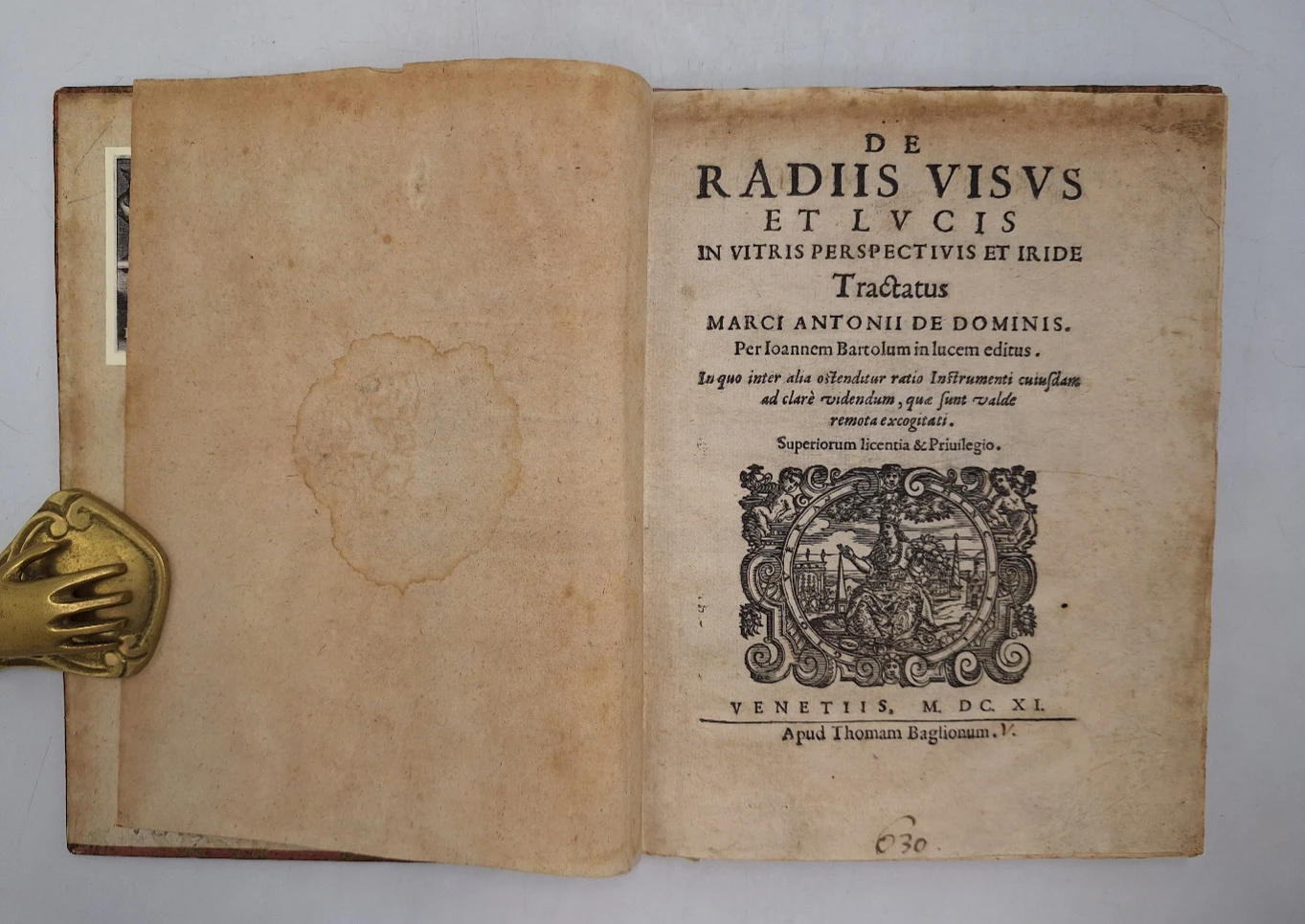
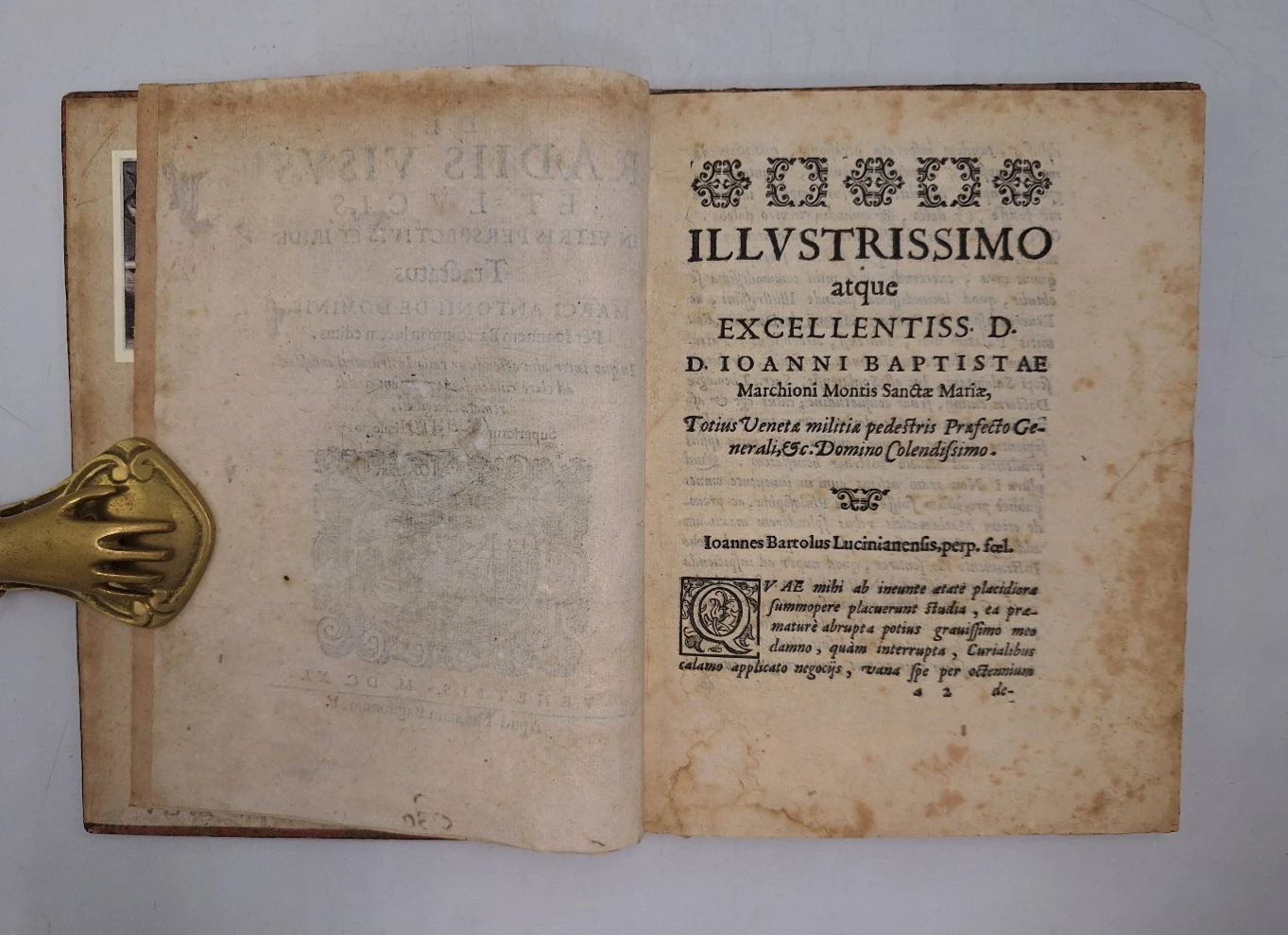
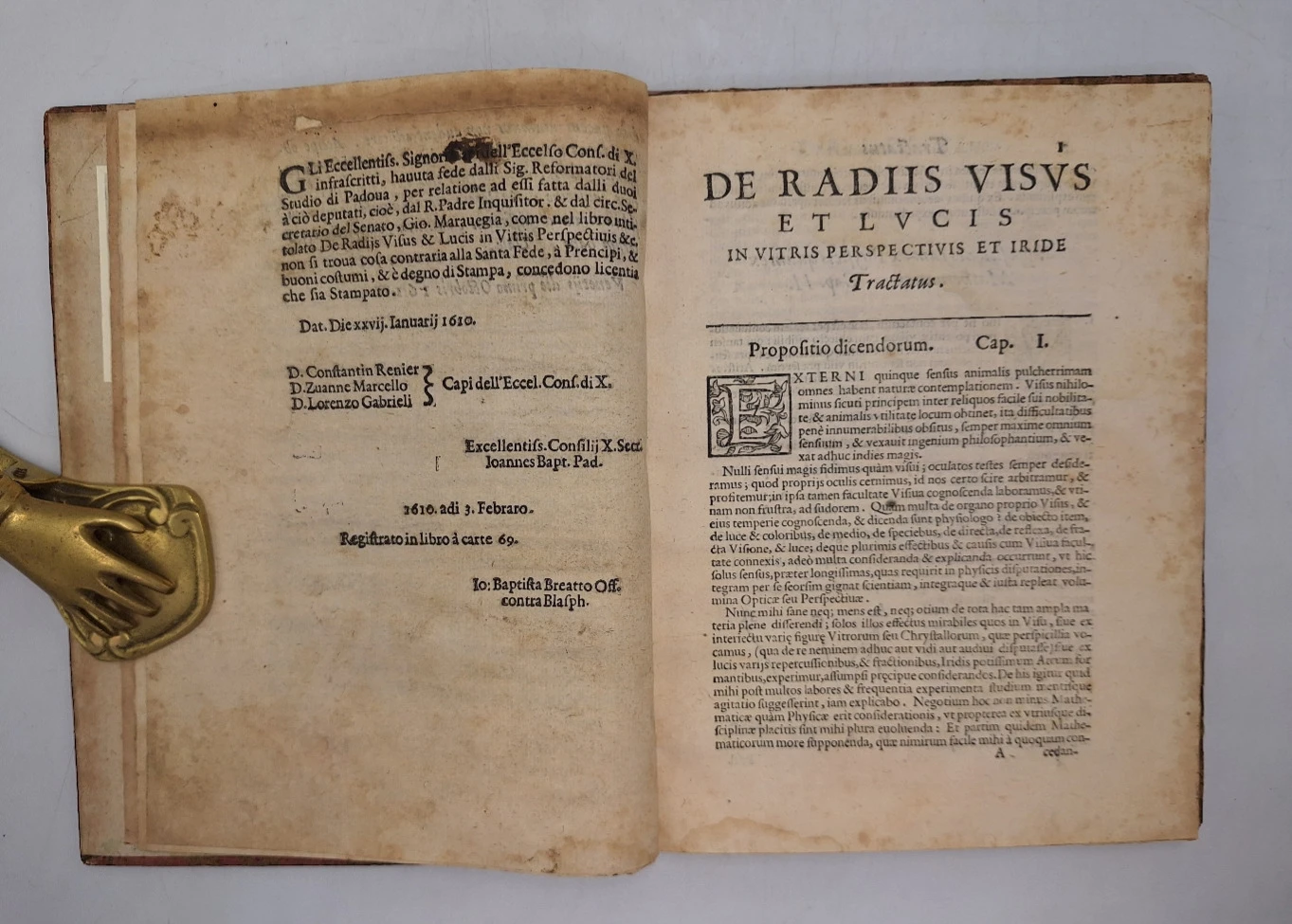
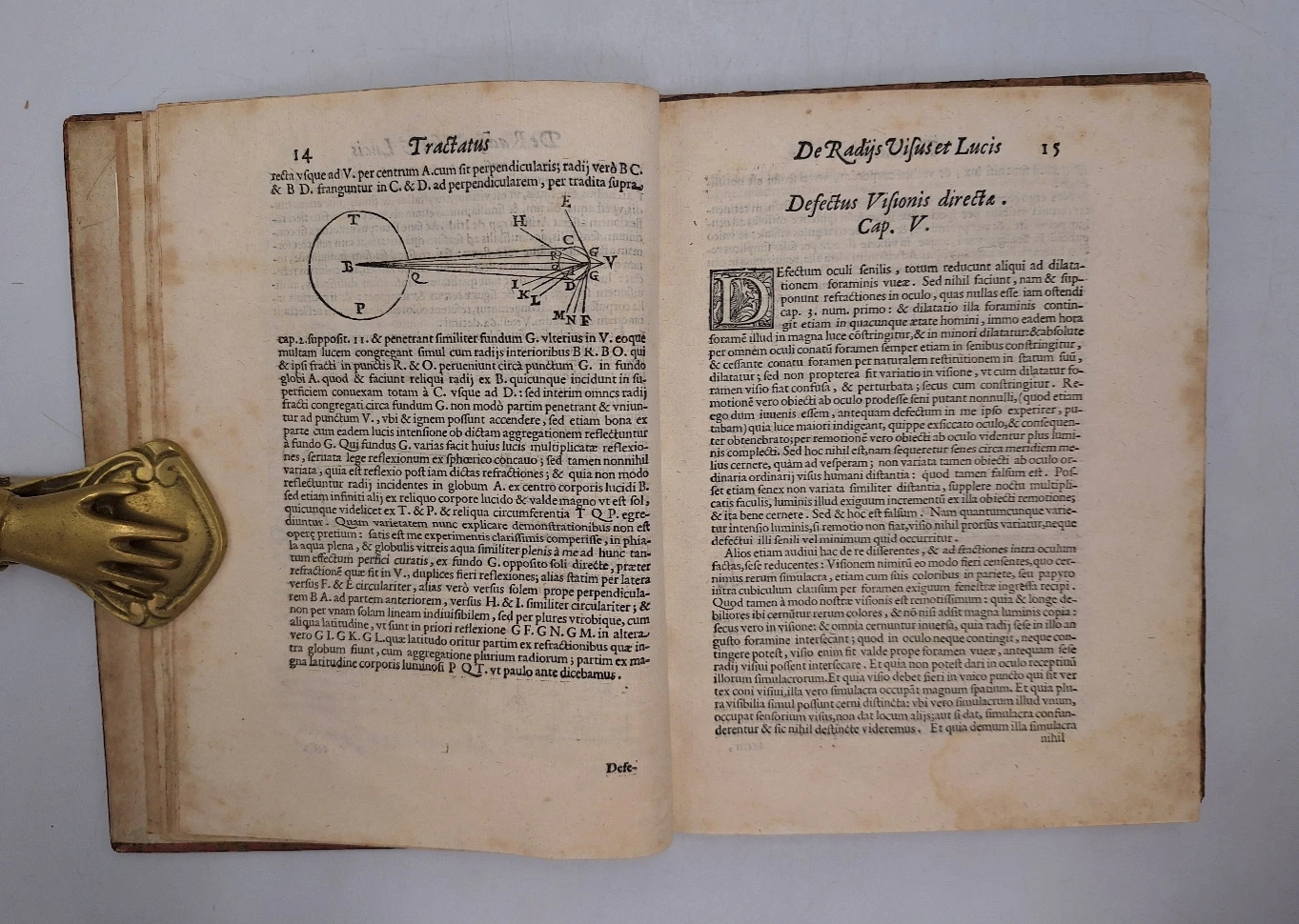
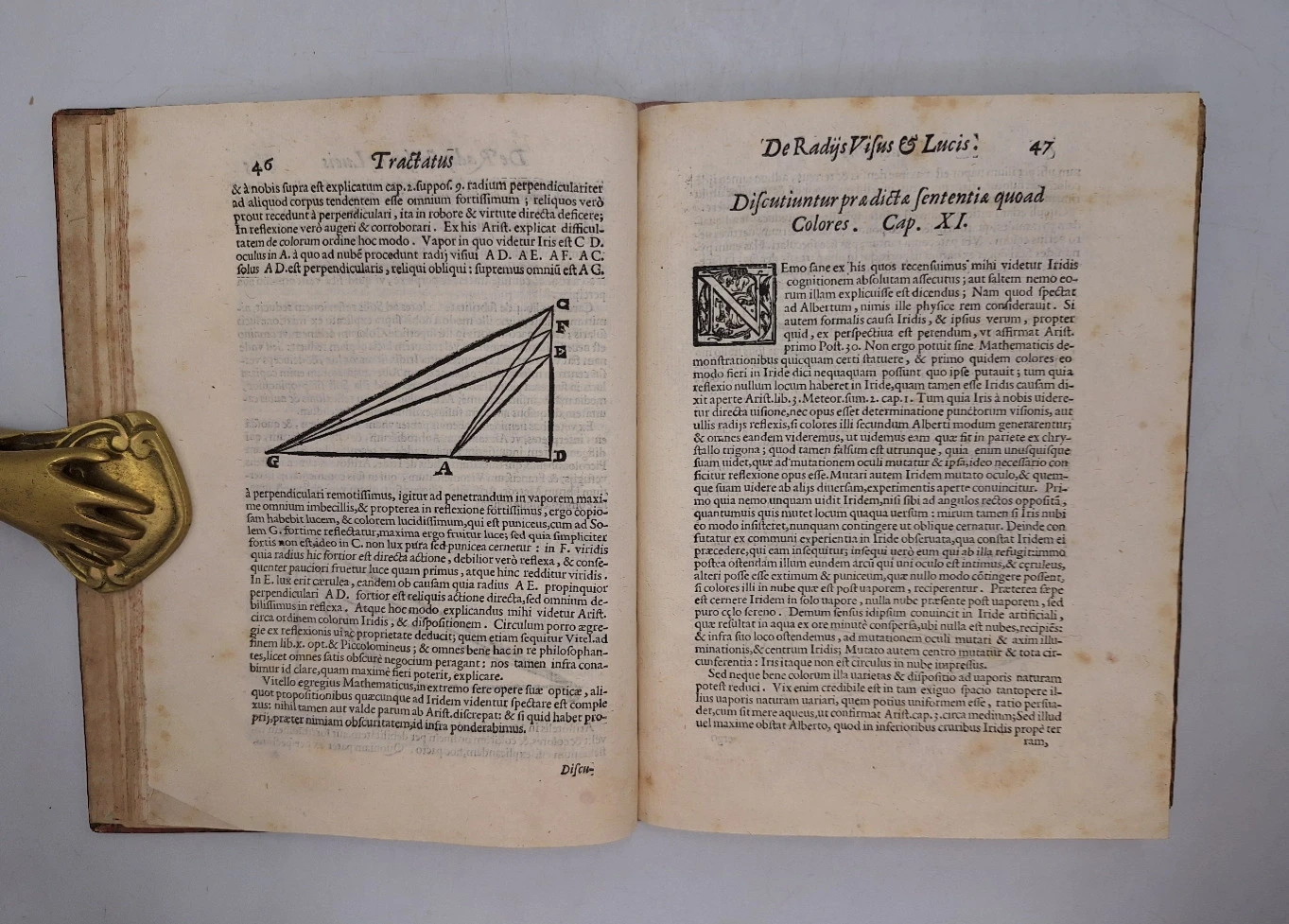
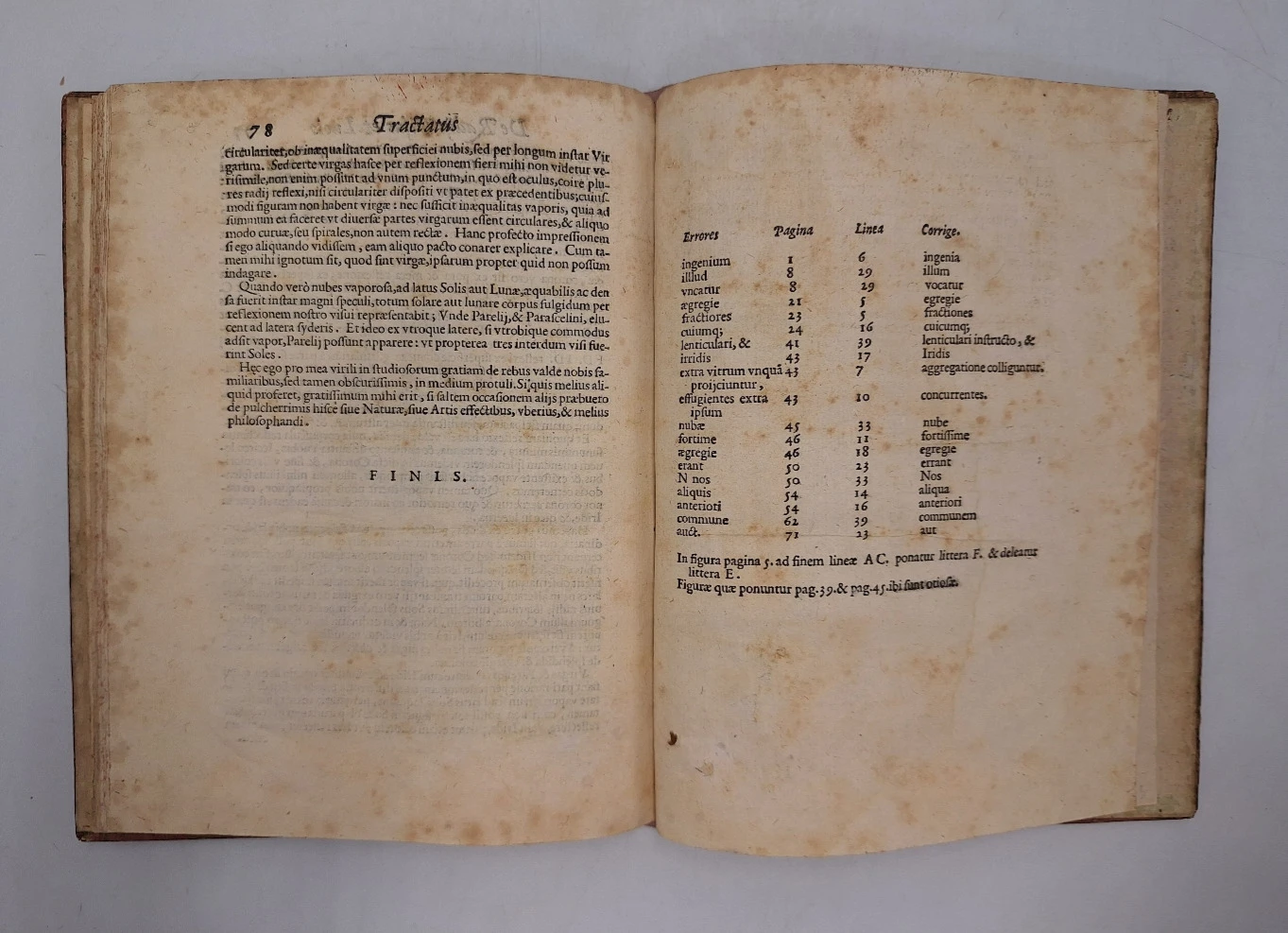
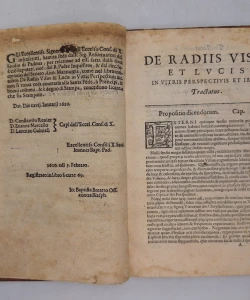
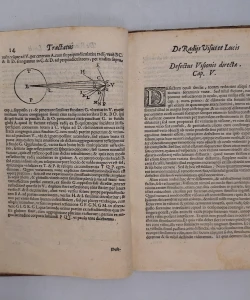
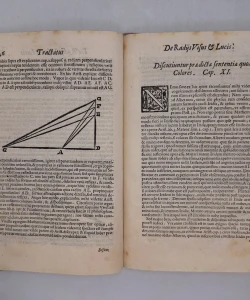
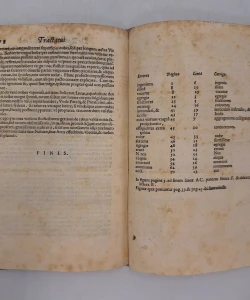
U djelu De radiis visus et lucis objavljenom 1611. u Veneciji, Markantun de Dominis izlaže svoja shvaćanja o optici. Između ostaloga u njemu daje teorijsko obrazloženje praktično otkrivenog dalekozora. Daje i teoriju nastanka duge na koju upućuju mnogi kasniji autori, a osobito ju je dobro ocijenio Isaac Newton u svojoj Optici. Više o samo djelu: https://hrcak.srce.hr/en/71691
Markantun de Dominis (hrv. Marko Antun Domnianić ili Marko Antun Gospodnetić, Rab, 1560. - Rim, 8. rujna 1624.), hrvatski isusovac, matematičar, fizičar i filozof. Bio je senjski biskup (1600.-1602.), splitski nadbiskup i primas Dalmacije i cijele Hrvatske (1602.-1616.)
Rodom je od plemićke obitelji Dominis s otoka Raba, koja po predaji potječe od krčkih knezova Frankapana. Nakon školovanja u isusovačkim kolegijima u Italiji, predavao je retoriku, logiku, filozofiju, matematiku i prirodopis u Bresci i Padovi.
Godine 1596. istupio je iz isusovačkog reda i postao upravitelj senjske biskupije, da bi četiri godine kasnije imenovan njenim biskupom. U Senju se zadržao dvije godine, da bi ga 15. studenog 1602. godine papa Klement VIII. imenovao splitskim nadbiskupom. U Splitu je napisao životno djelo De republica ecclesiastica u kojem se zalaže za dijalog unutar Crkava i njihovo ujedinjenje što ga čini pretečom ekumenizma.
U periodu 1604.-1607. boravio je u Rimu i Veneciji, a potom se vraća u Split gdje piše ovaj traktat De radiis visus et lucis in vitris, perspectivis et iride, objavljen u Veneciji 1611. godine. Godine 1615. sukobio se s klerom i drugim biskupima, nakon čega je otišao u Veneciju i odrekao se titule splitskog nadbiskupa (1616.). U Heidelbergu objavio je žestoku kritiku Katoličke Crkve. Iz Njemačke odlazi u Englesku, gdje mu je u Cambridgeu dodijeljen doktorat teologije čime je postao prvi Hrvat koji je na nekom engleskom sveučilištu dobio tu titulu.
U Londonu je 1617. godine objavio prvi svezak knjige De republica ecclesiastica koja uskoro potom dolazi na Index Librorum Prohibitorum. Iste godine držao je predavanja u Oxfordu i Cambridgeu.
Godine 1622., nakon izbora pape Grgura XV. napustio je London i preko Bruxellesa vratio se u Rim. Dvije godine kasnije došao je u sukob sa Inkvizicijom, proglašen je heretikom, te zatočen u dvorac Sant Angelo, gdje je umro prirodnom smrću. Nakon smrti, 20. prosinca je nad njegovim lešom proglašena osuda u crkvi Santa Maria iznad Minerve. Inkvizicijskom je odredbom njegov leš izvađen iz lijesa, provučen ulicama Rima, i javno spaljen u Campo di Fiore, te bačen u Tiber skupa sa njegovim pisanim djelima, 21. prosinca 1624. godine.
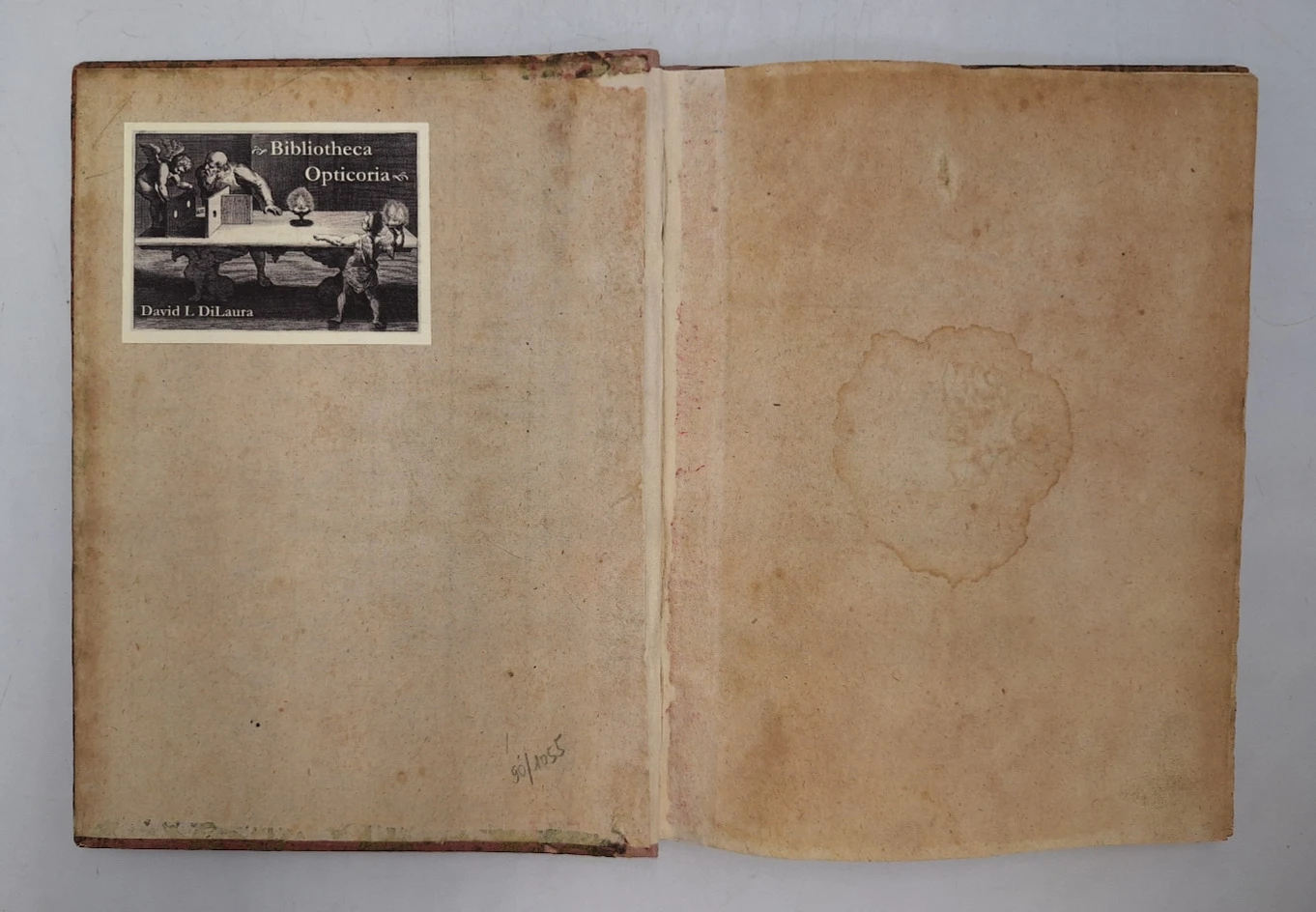
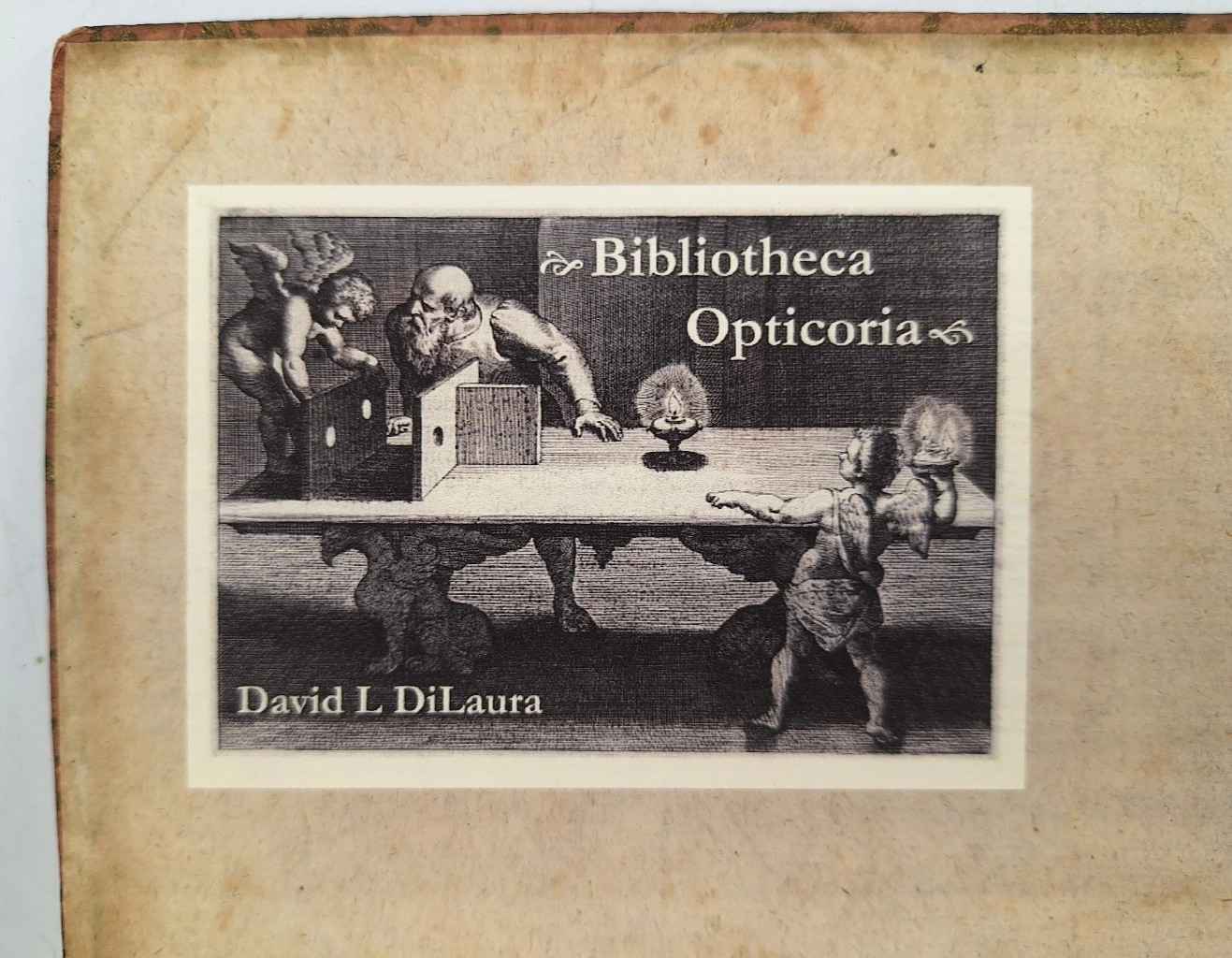
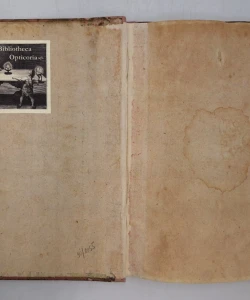
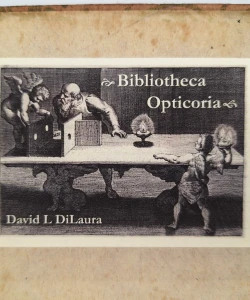
Prethodni vlasnik knjige bio je David L. DiLaura (Boulder, Colorado) američki inženjer, edukator i pionir u softveru za izračun rasvjete. DiLaura, osim što je je član i dobitnik zlatne medalje Društva za rasvjetno inženjerstvo, član Američkog udruženja za unapređenje znanosti, objavio je i 42 tehnička rada, prijevod i analizu Johann Lambertovog temeljnog latinskog djela "Photometria", autor je knjige "Povijest svjetla i rasvjete" te je osam godina bio glavni urednik časopisa LEUKOS, časopisa Društva za rasvjetno inženjerstvo. Primljen je u Kuću slavnih arhitektonske rasvjete 2001. godine, a 2008. godine Sveučilište u Coloradu dodijelilo mu je počasni doktorat.
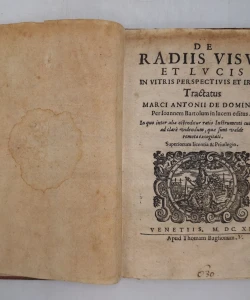
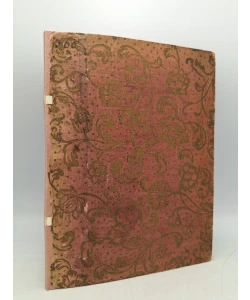
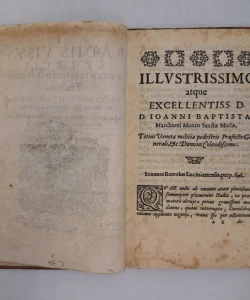
Marcus Antonius de Dominis: De radiis visus et lucis in vitris perspectiuis et iride tractatus Marci Antonii de Dominis / Per Ioannem Bartolum in lucem editus. In quo inter alia ostenditur ratio instrumenti ciusdam ad clarè videndum, quæ sunbt valde remonta excogitati.
(De radiis visus et lvcis in vitris perspectivis et iride tractatus Marci Antonii de Dominis) In the work De radiis visus et lucis published in 1611 in Venice, Markantun de Dominis presents his understanding of optics. Among other things, it gives a theoretical explanation of the practically discovered binoculars. He also gives the theory of the formation of the rainbow, which is referred to by many later authors, and it was particularly well evaluated by Isaac Newton in his Optics. More about the work itself and the significance of its content: https://hrcak.srce.hr/en/clanak/106793
Markantun de Dominis (Croatian Marko Antun Domnianić or Marko Antun Gospodnetić, Rab, 1560 - Rome, September 8, 1624), Croatian Jesuit, mathematician, physicist and philosopher. He was bishop of Senj (1600-1602), archbishop of Split and primate of Dalmatia and the whole of Croatia (1602-1616).
He comes from the noble Dominis family from the island of Rab, which according to tradition is descended from the Frankapans of Krk. After his education in Jesuit colleges in Italy, he taught rhetoric, logic, philosophy, mathematics and natural history in Brescia and Padua.
In 1596, he left the Jesuit order and became the administrator of the diocese of Senj, and four years later he was appointed its bishop. He stayed in Senj for two years, and on November 15, 1602, Pope Clement VIII. appointed archbishop of Split. In Split, he wrote his life's work, De republica ecclesiastica, in which he advocates dialogue within the Churches and their unification, which makes him a forerunner of ecumenism.
In the period 1604-1607 he stayed in Rome and Venice, and then returned to Split, where he wrote this treatise De radiis visus et lucis in vitris, perspectivis et iride, published in Venice in 1611. In 1615, he clashed with the clergy and other bishops, after which he went to Venice and renounced the title of Archbishop of Split (1616). In Heidelberg, he published a fierce criticism of the Catholic Church. He left Germany for England, where he was awarded a doctorate in theology in Cambridge, making him the first Croatian to receive that title at an English university.
In London in 1617, he published the first volume of the book De republica ecclesiastica, which soon appeared on the Index Librorum Prohibitorum. In the same year, he gave lectures in Oxford and Cambridge.
In 1622, after the election of Pope Gregory XV. he left London and returned to Rome via Brussels. Two years later, he came into conflict with the Inquisition, was declared a heretic, and imprisoned in Sant Angelo Castle, where he died of natural causes. After his death, on December 20, condemnation was pronounced over his corpse in the church of Santa Maria above Minerva. By order of the Inquisition, his corpse was taken out of the coffin, dragged through the streets of Rome, and publicly burned in Campo di Fiore, and thrown into the Tiber along with his written works on December 21, 1624.
The previous owner of the book was David L. DiLaura (Boulder, Colorado), an American engineer, educator and pioneer in lighting calculation software. DiLaura, in addition to being a member and winner of the gold medal of the Lighting Engineering Society, a member of the American Association for the Advancement of Science, has also published 42 technical papers, a translation and analysis of Johann Lambert's seminal Latin work "Photometria", is the author of the book "History of Light and Lighting" and was editor-in-chief of LEUKOS, the journal of the Lighting Engineering Society, for eight years. He was inducted into the Architectural Lighting Hall of Fame in 2001 and was awarded an honorary doctorate by the University of Colorado in 2008.
Place of publication: Venice
Year of publication: 1611
Number of pages: 78
Dimensions: 16x21.5cm
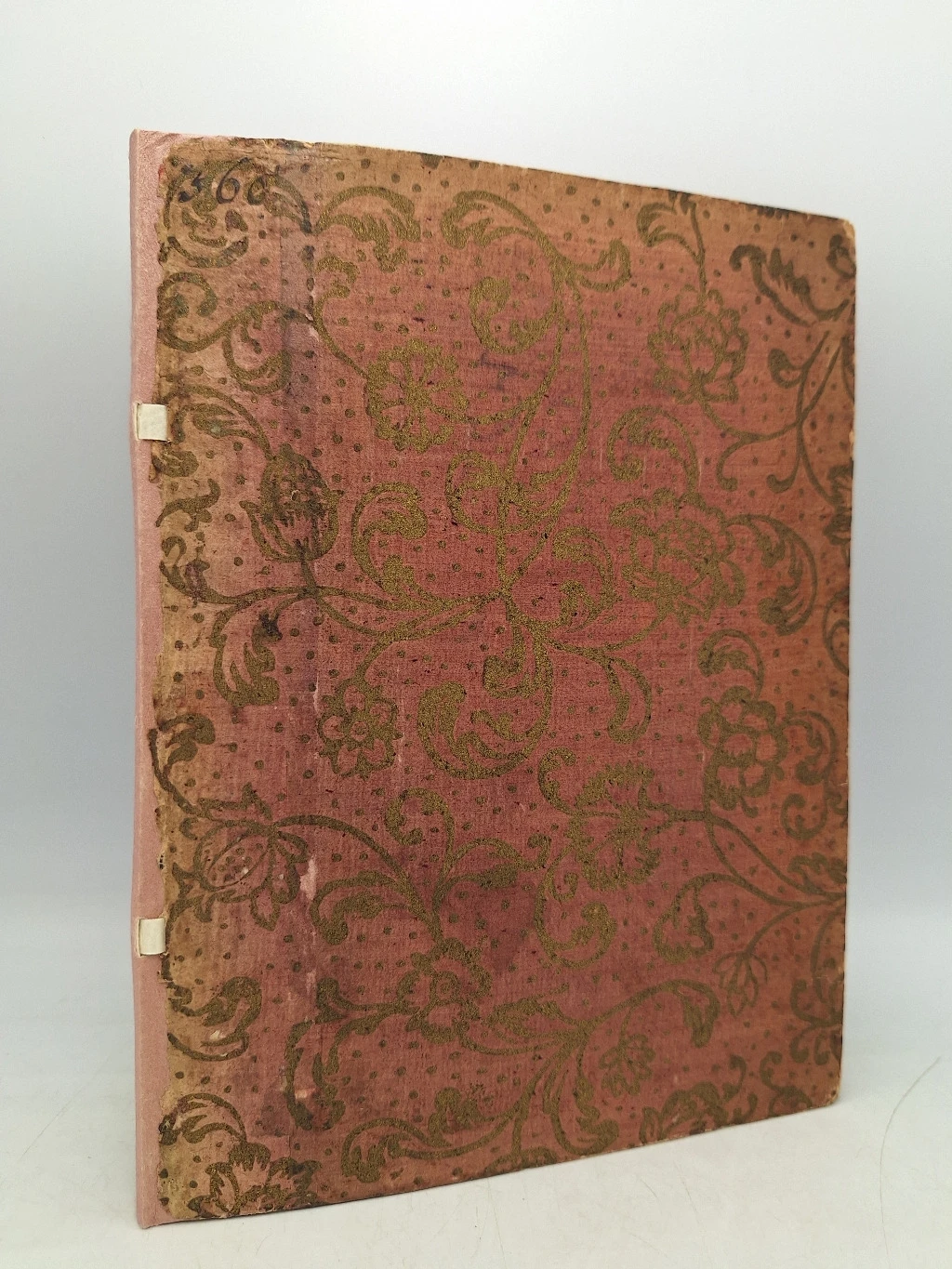
Binding: Hard
Condition: Very good
Keywords: 17th century

Biblos Newsletter
Novi naslovi, posebni primjerci i tihe preporuke iz antikvarijata.