
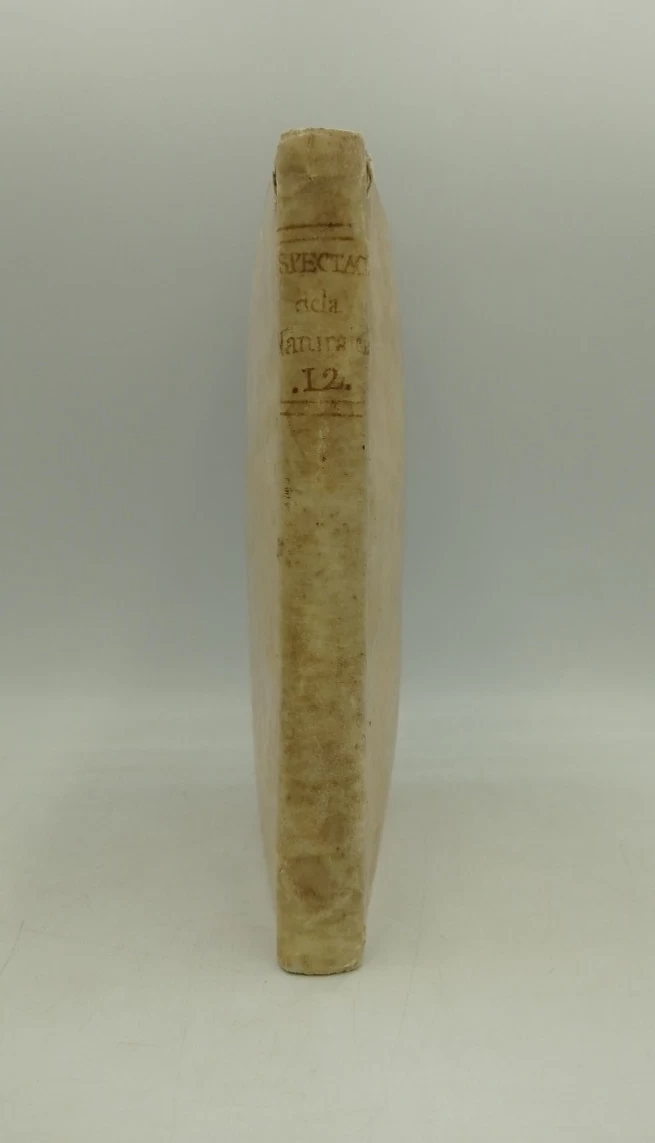
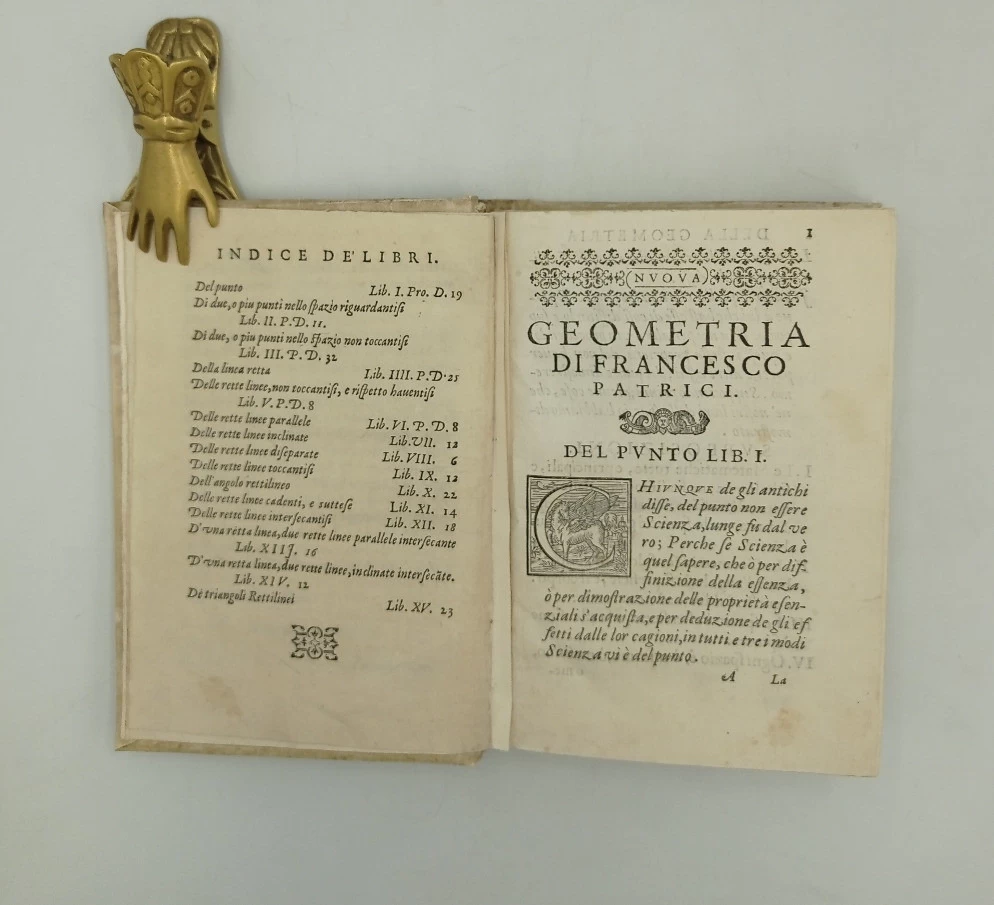
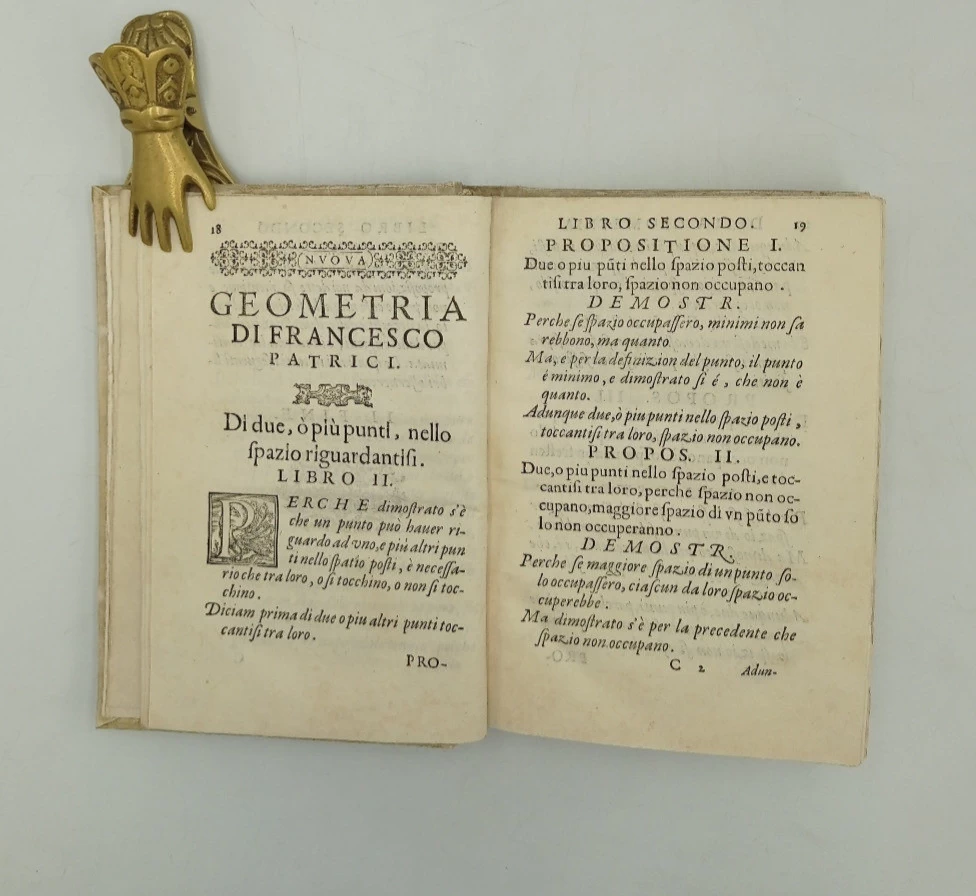
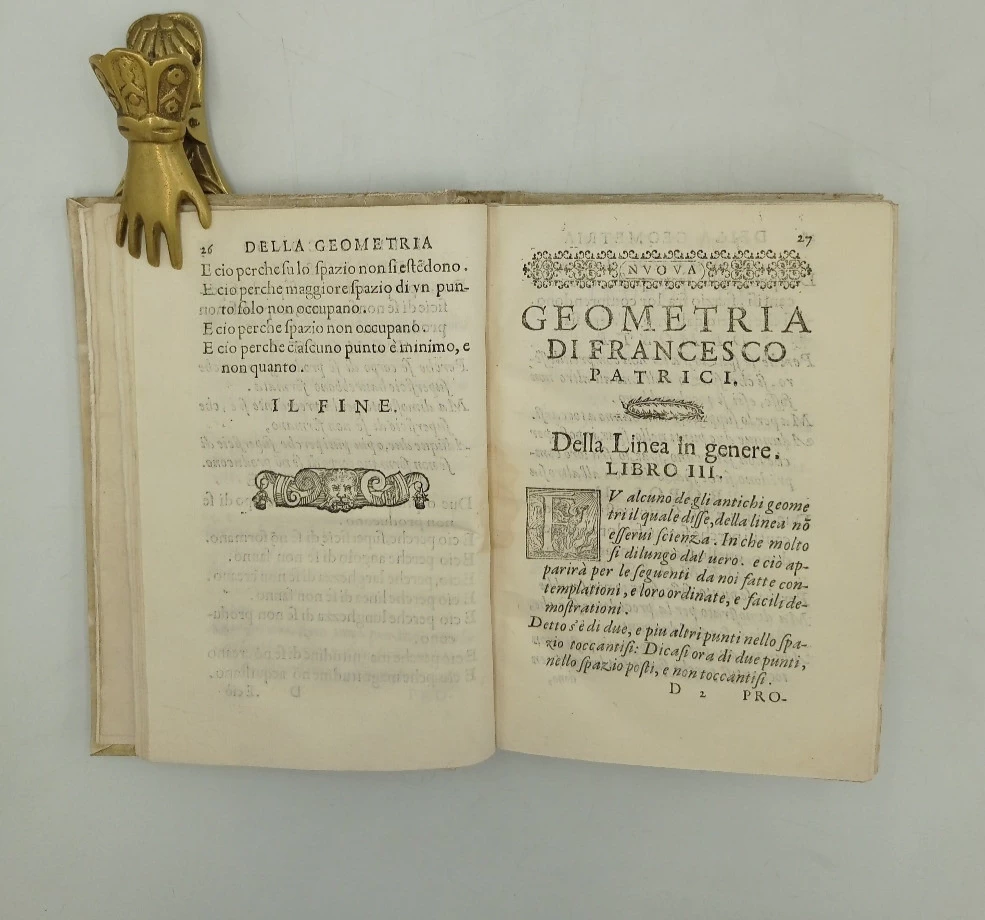
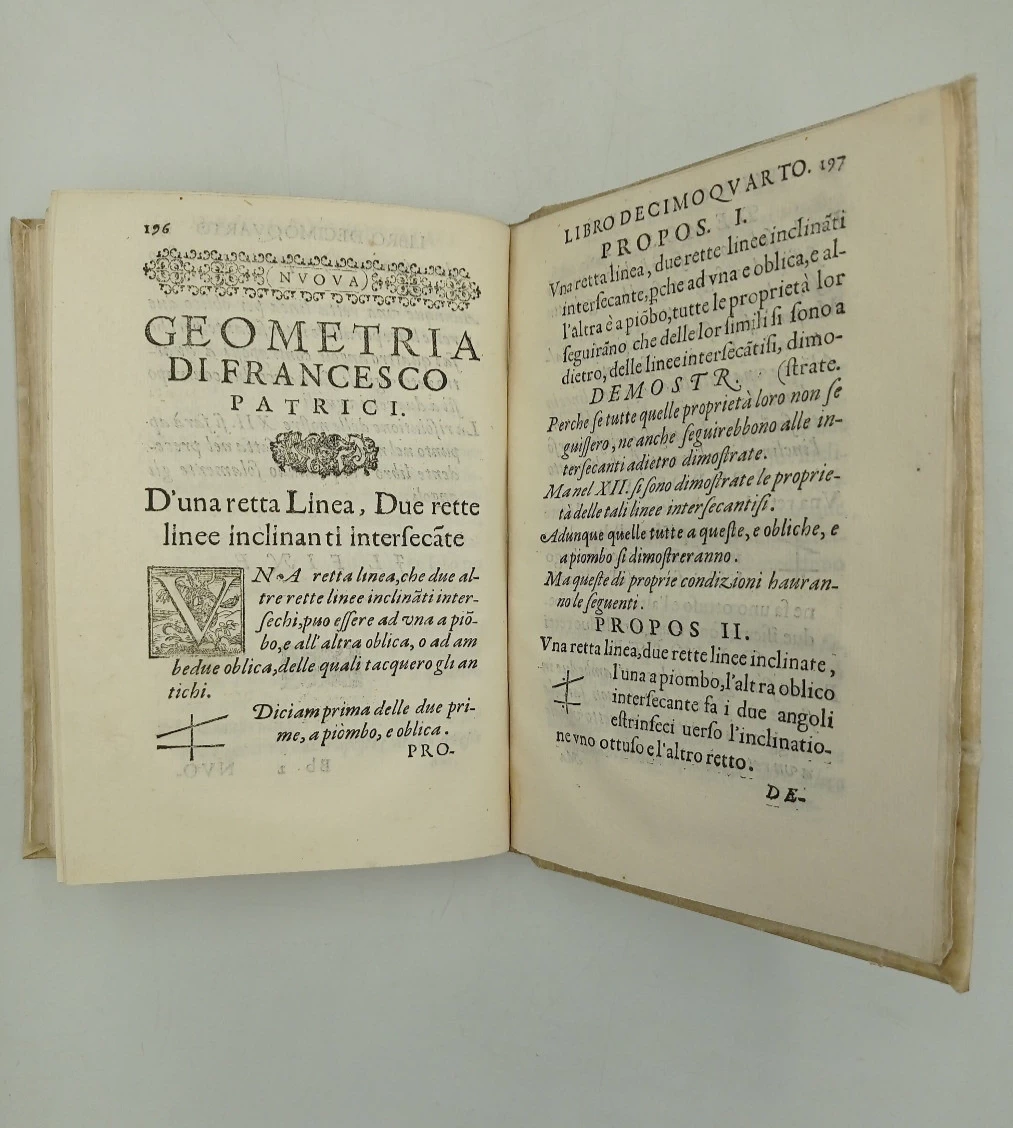
Della nuova geometria
Osnovne informacije
- Autor: Petrić Frane
- Nakladnik: Baldini
- Dostupnost: Dostupno
- Stanje: Odlično
- Šifra: 57316
Opcije dostave
Načini plaćanja
Istražite još
Della nuova geometria
Petrić Frane
Sažetak
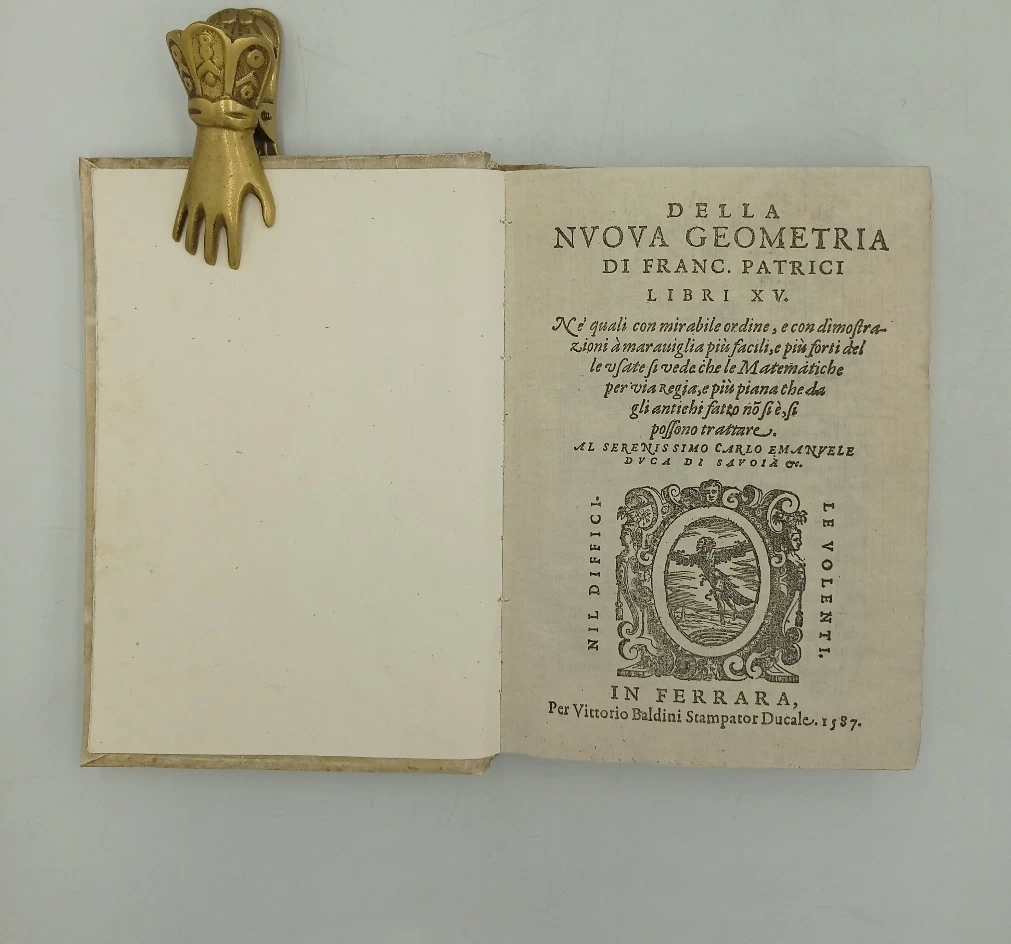
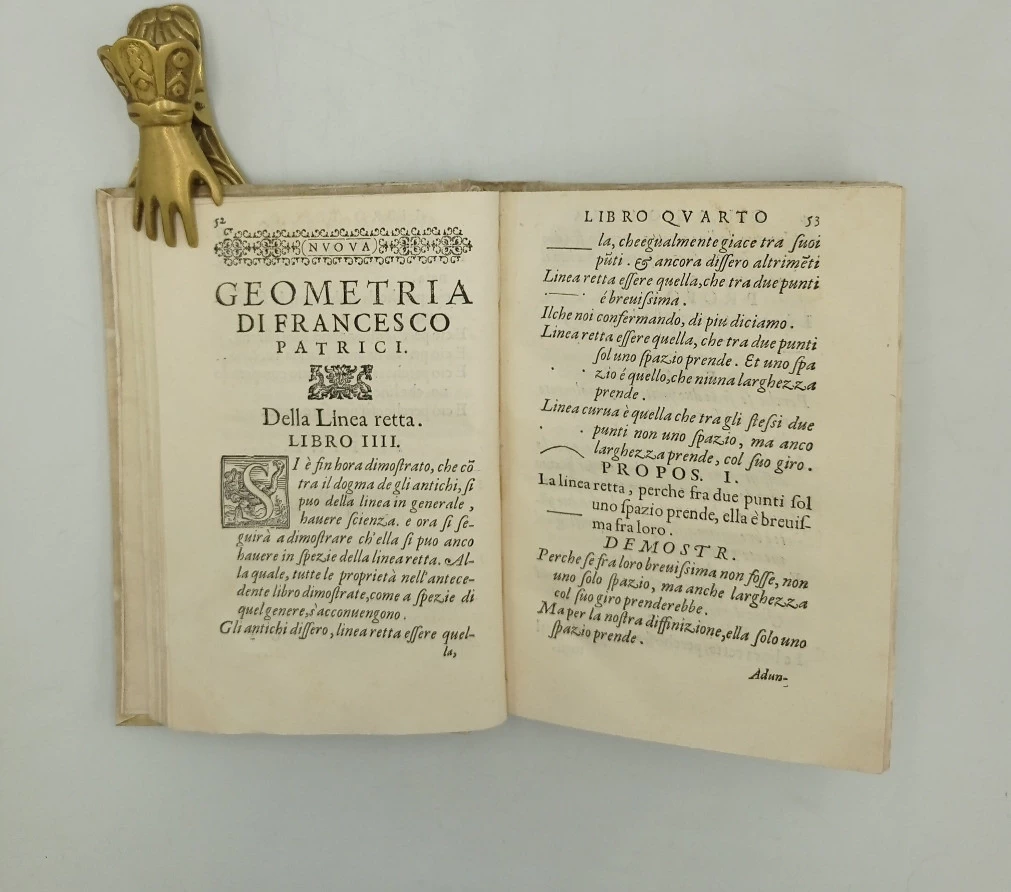
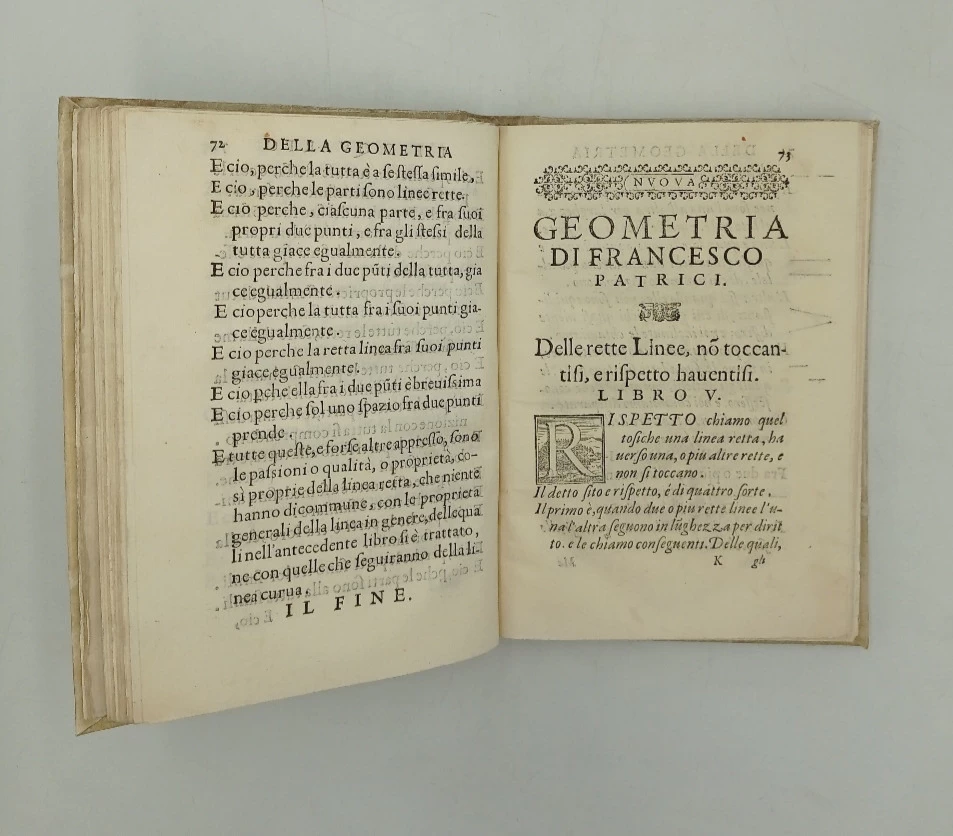
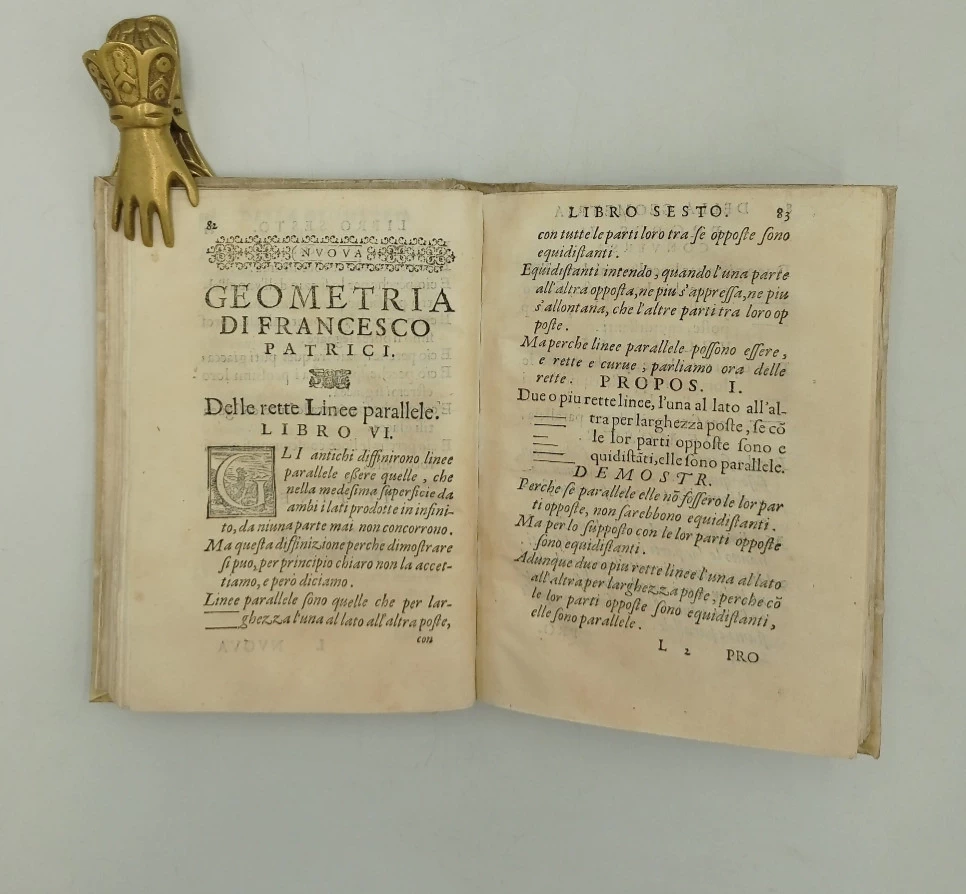
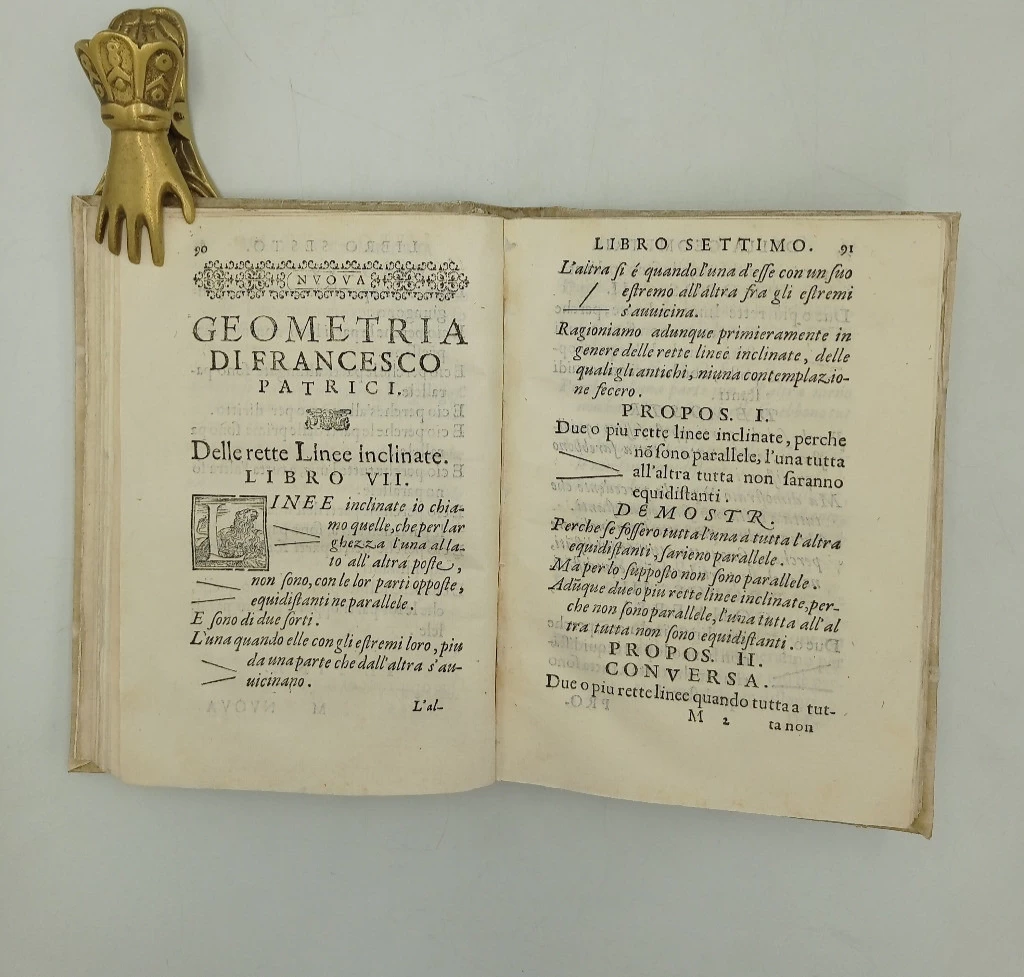
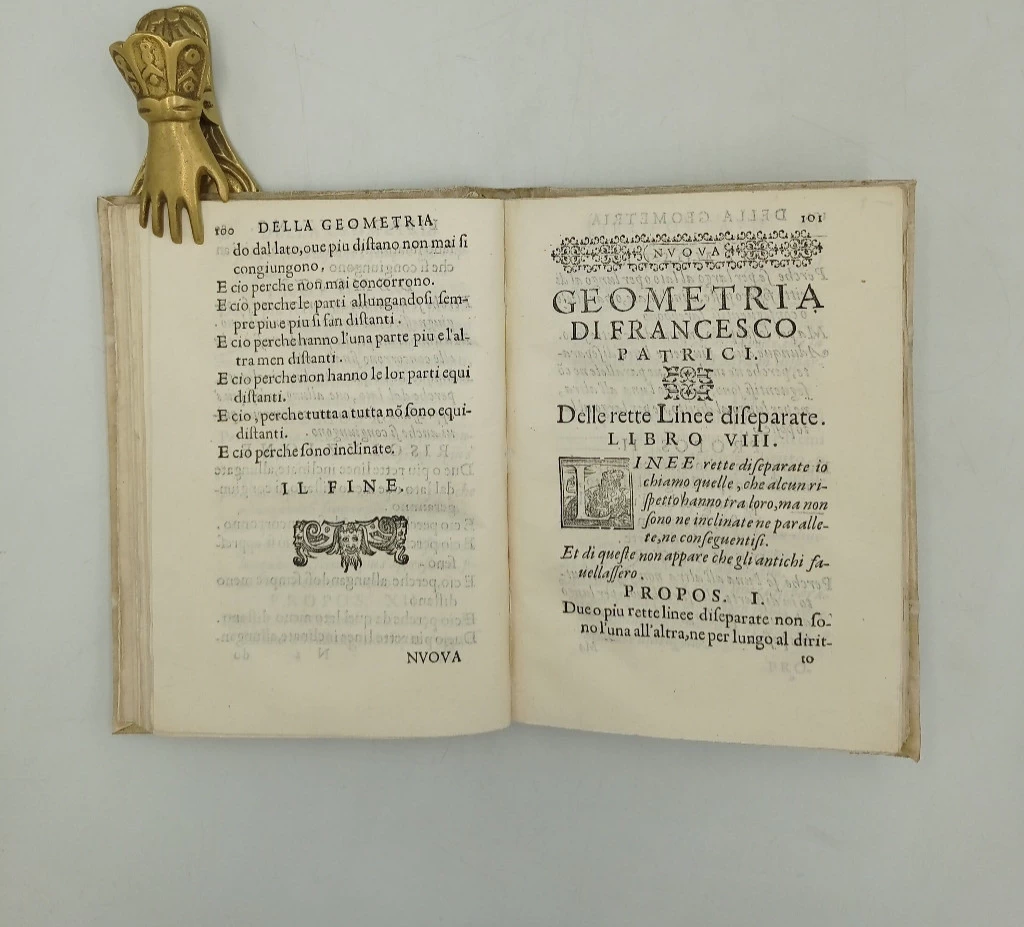
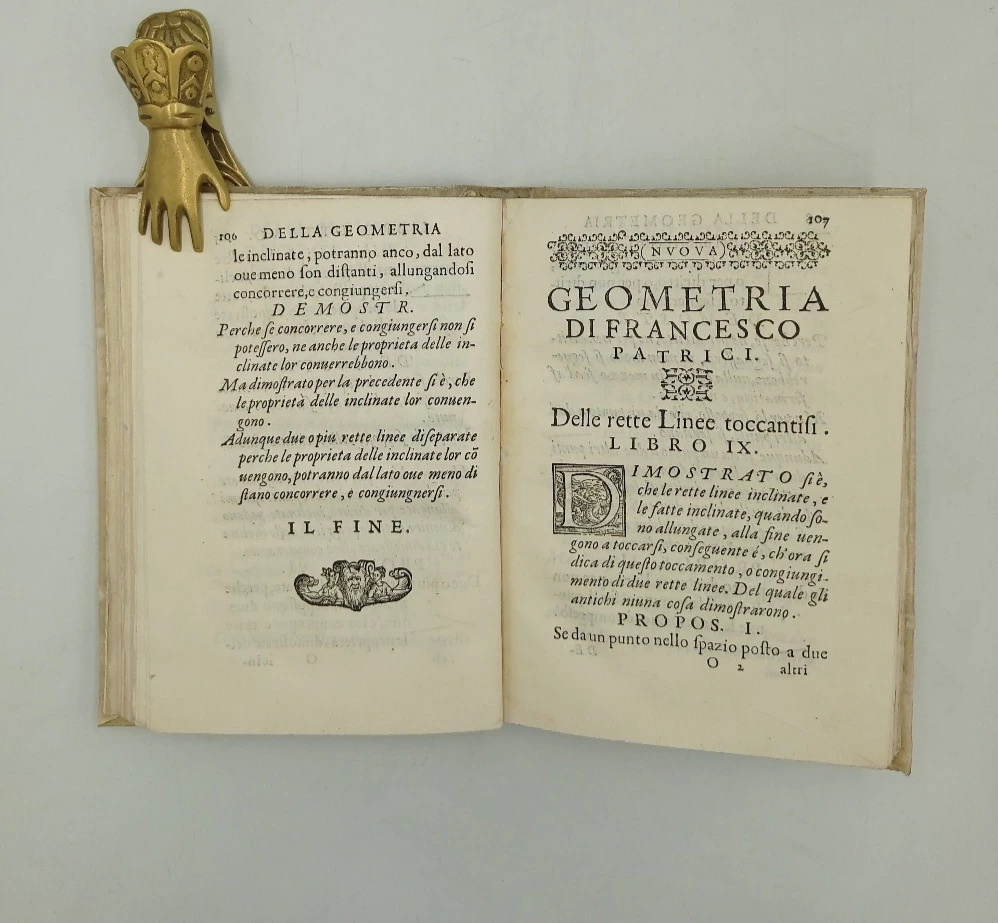
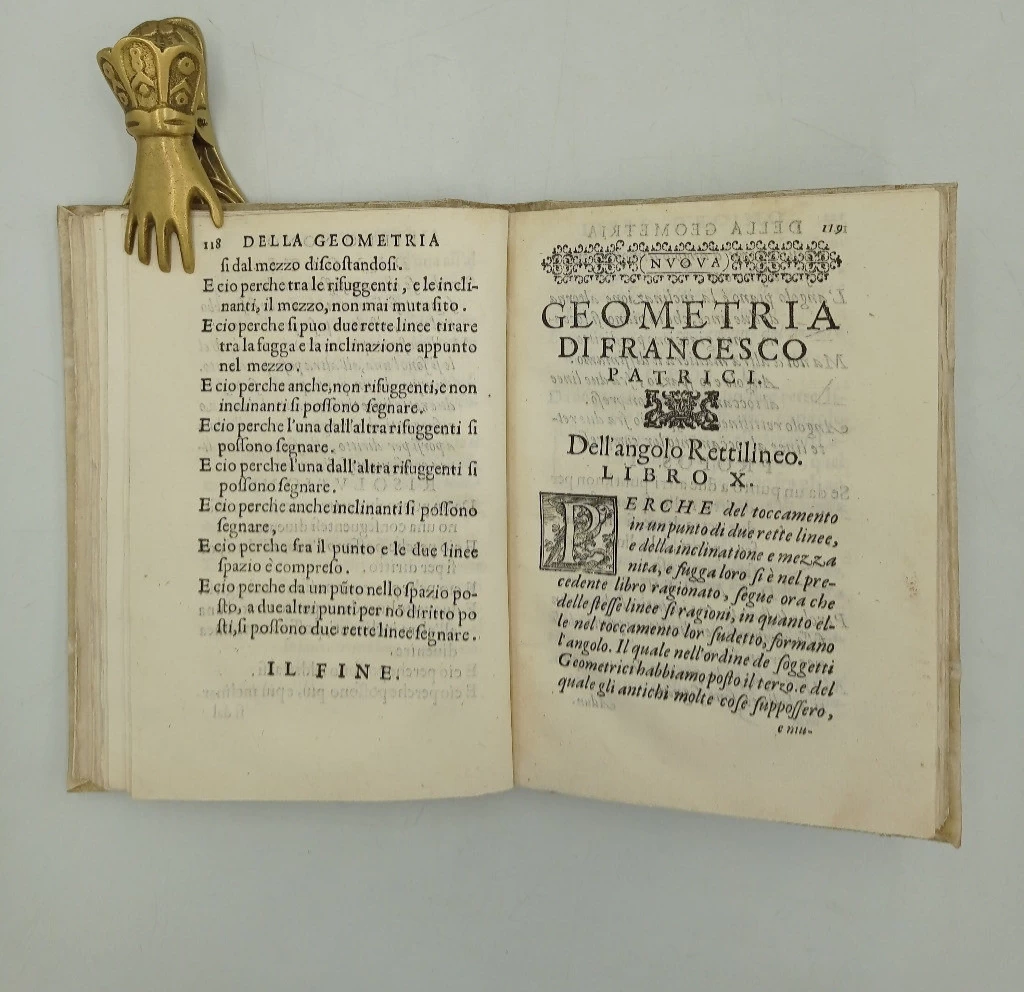
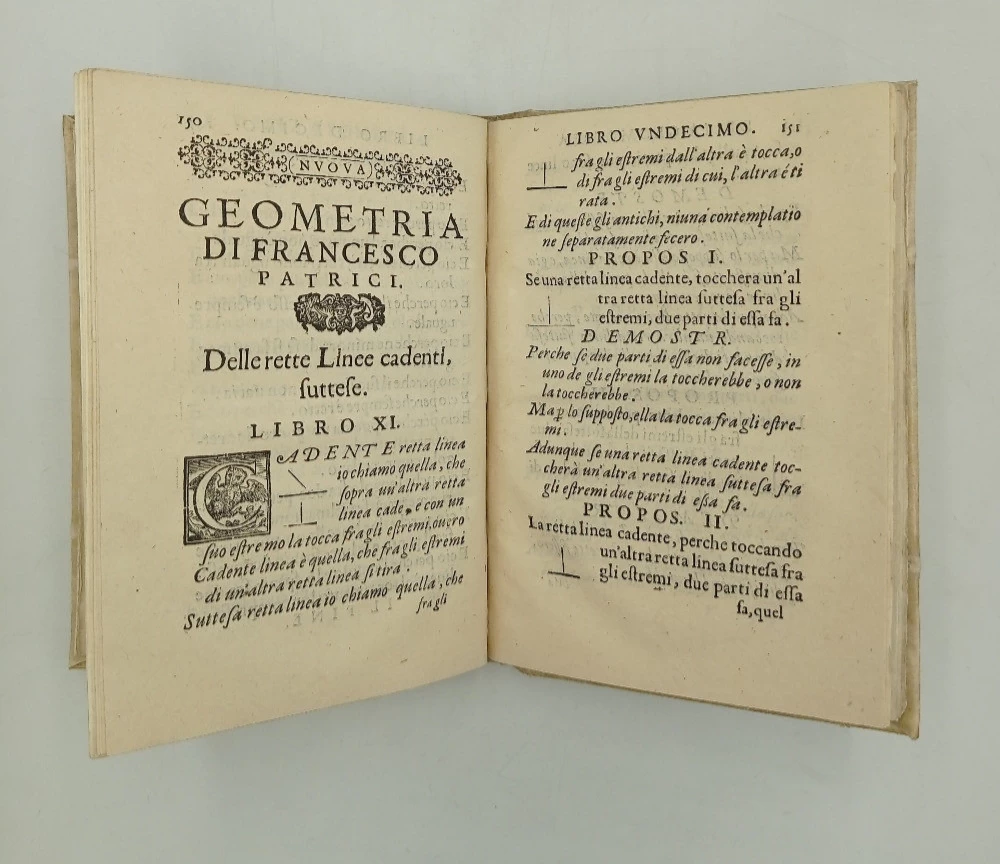
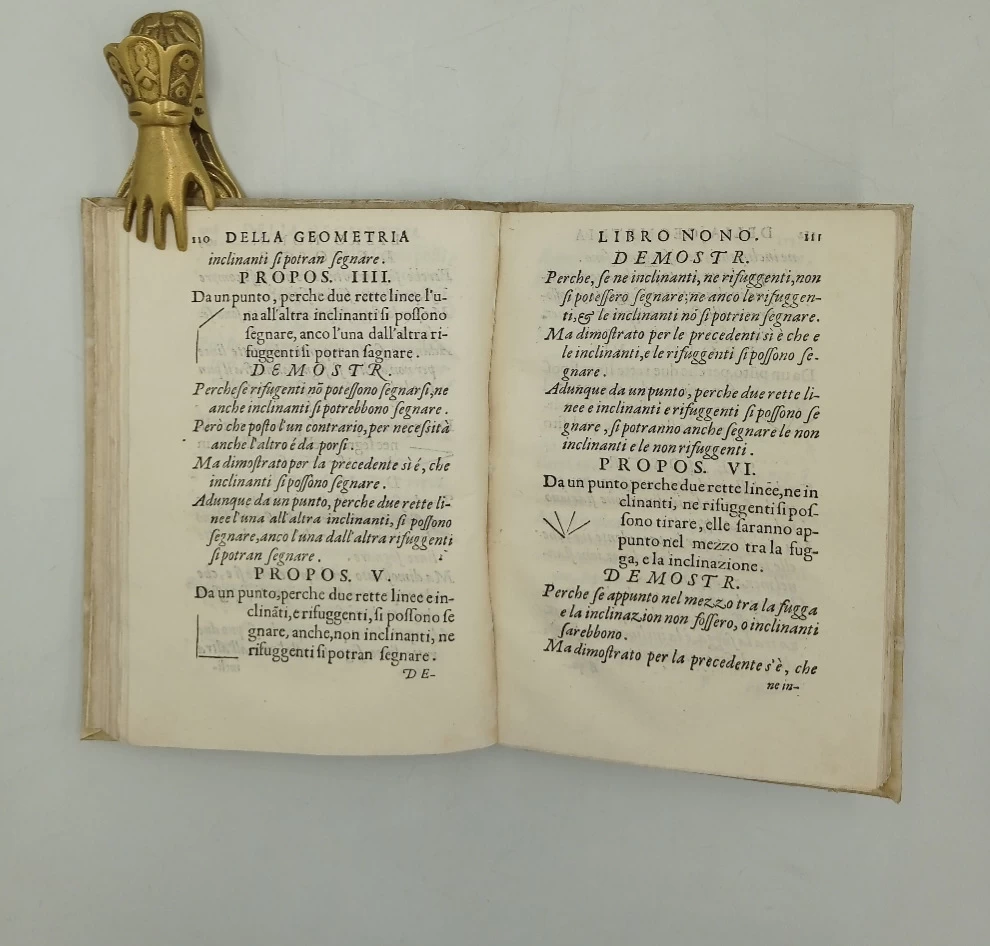
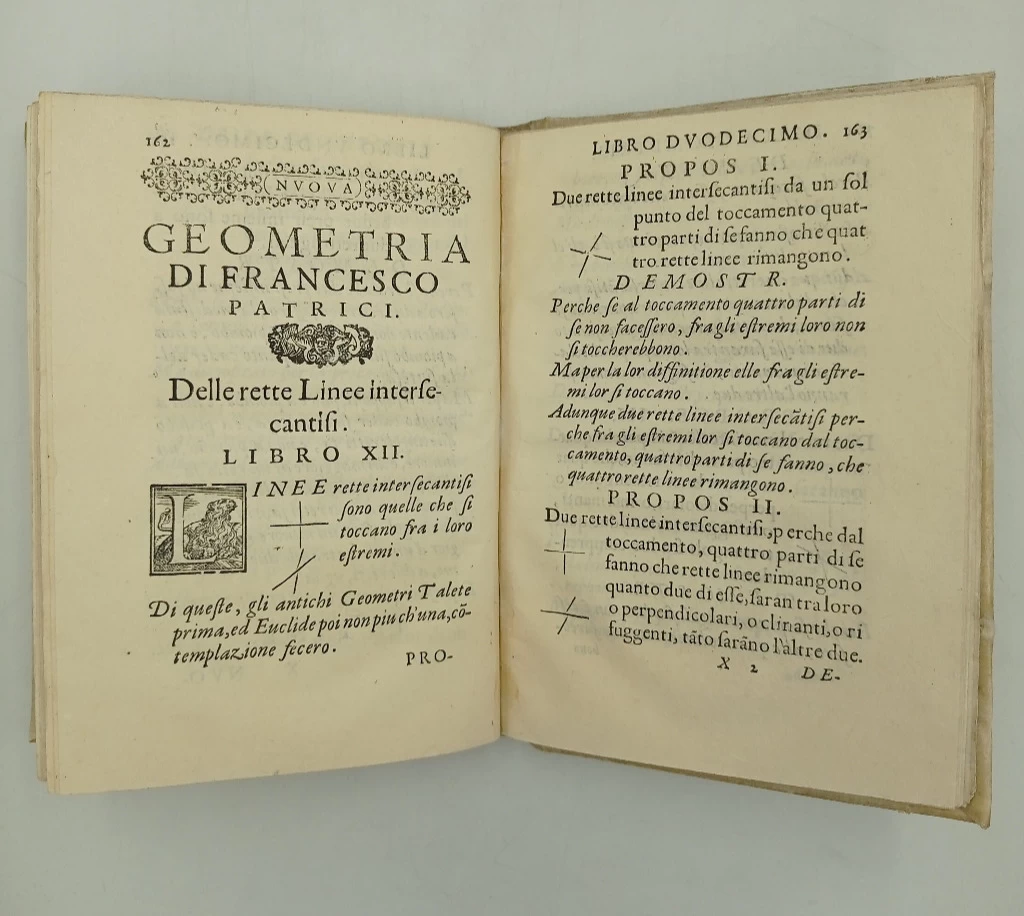
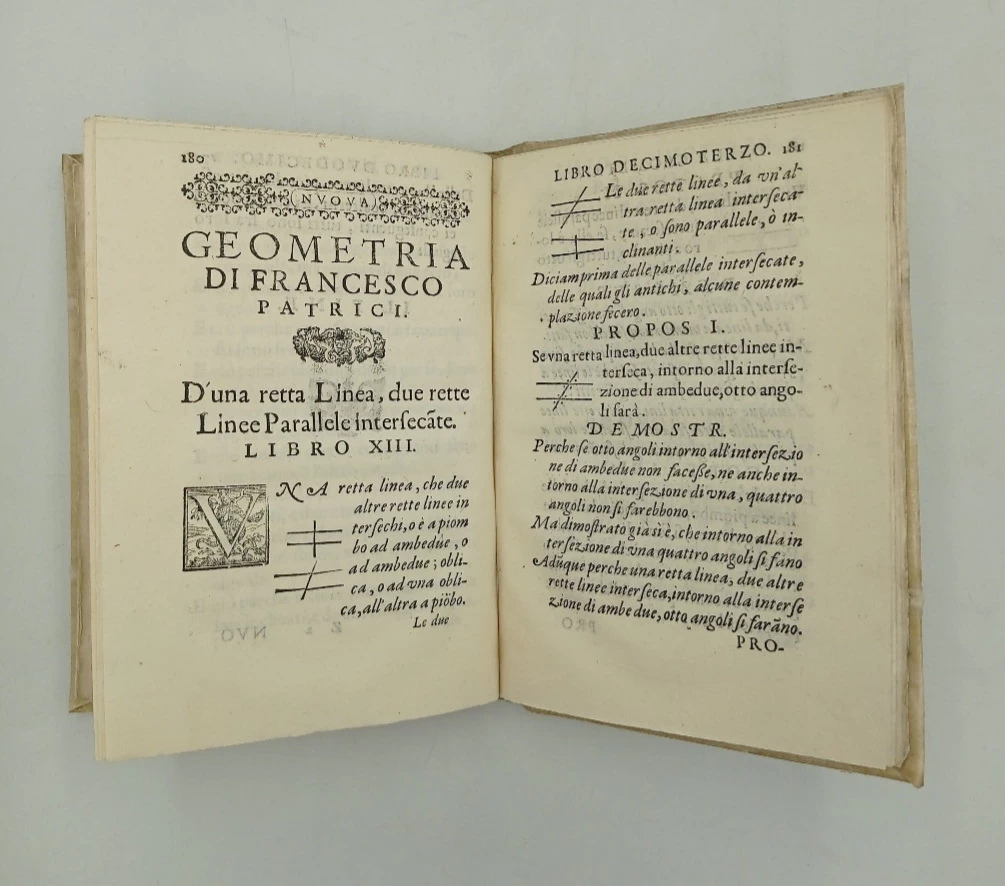
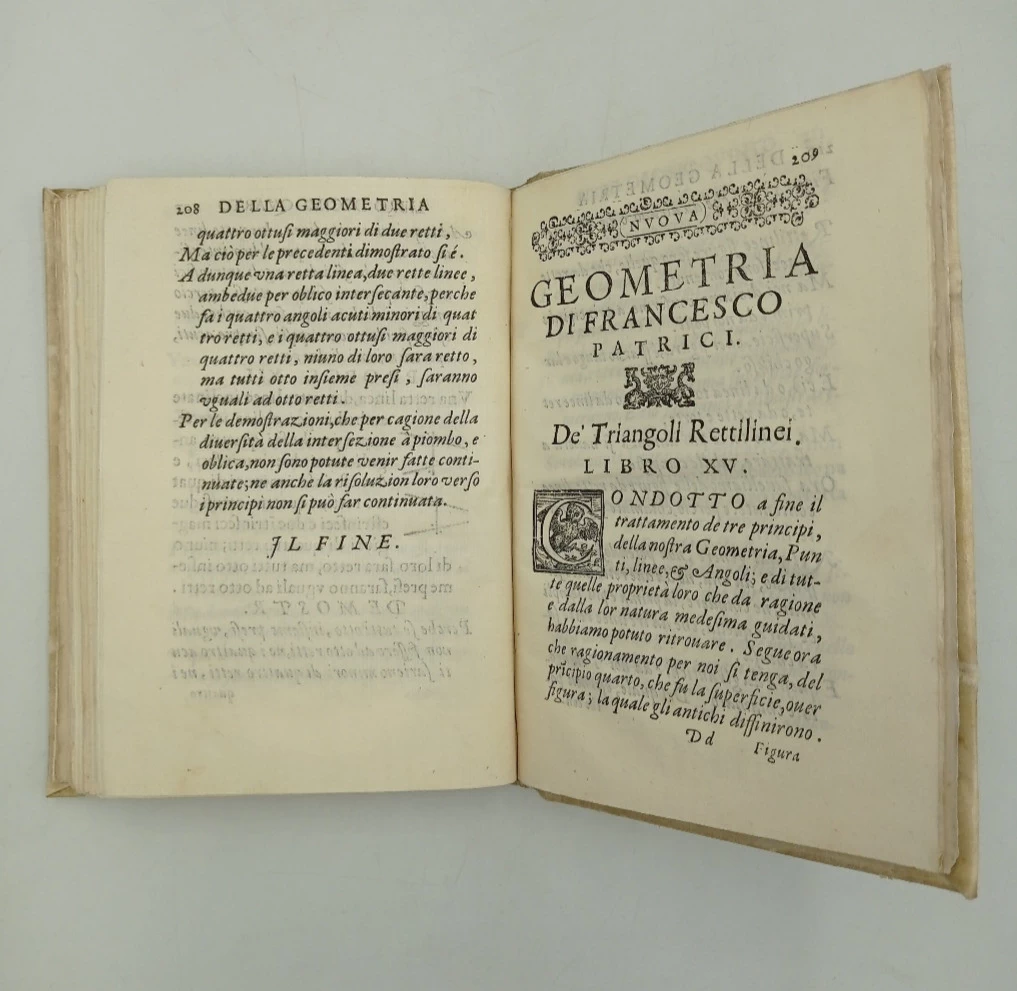
Frane Petrić: Della nuova geometria di Franc. Patrici : libri XV. ne’ quali con mirabile ordine e con dimostrazioni a maraviglia più facili e più forti delle usate si vede che le matematiche per via Regia e piu piana che da gli antichi fatto non si è, si possono trattare.
Petrić je matematici pridavao veliku važnost. U skladu sa svojom matematičkom filozofijom, u djelu Della nuova geometria (O novoj geometriji), koje je objavio u Ferrari 1587., stvara geometrijski sustav u kojem je prostor fundamentalni pojam. Od prostora kao nedefiniranog pojma, nezavisne egzistencije, Petrić izvodi geometrijske pojmove i njihove definicije. Usprkos tome što u ovom djelu nije uspio izgraditi aksiomatsku deduktivnu geometriju u kojoj bi bili dokazivani geometrijski poučci na način kao kod Euklida, ovo djelo ima veliku važnost. U njemu pronalazimo prve nedefinirane geometrijske pojmove potrebne u izgradnji logičkog sustava, što se kod Euklida tek može naslućivati, a matematička filozofija na kojoj se djelo temelji utjecala je na najveće znanstvenike Petrićeva doba i kasnijih razdoblja.
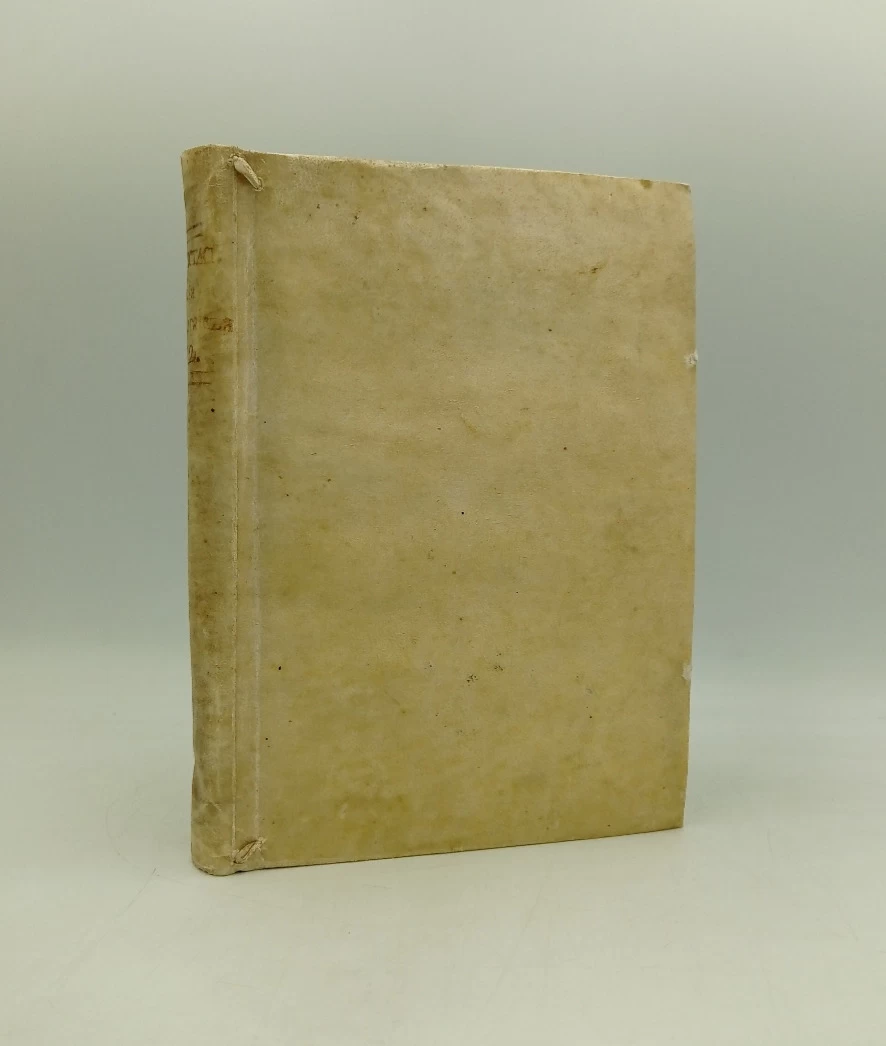
Savršeno očuvani primjerak. Vrlo rijetka knjiga.
Osim našega primjerka, prodaju se još tri primjerka ove knjige. Raspon cijena je od 9000-18000 Eur.
ENGLISH:
Frane Petrić: Della nuova geometria di Franc. Patrici : libri XV. ne' quali con mirabile ordine e con dimostrazioni a maraviglia più facili e più forti delle usate si vede che le matematiche per via Regia e piu piano che da gli antichi fatto non si è, si possono trattare.
Petrić attached great importance to mathematics. In accordance with his mathematical philosophy, in the work Della nuova geometria (On New Geometry), which he published in Ferrara in 1587., he creates a geometric system in which space is a fundamental concept. From space as an undefined concept, an independent existence, Petrić derives geometric concepts and their definitions. In spite of the fact that in this work he failed to build an axiomatic deductive geometry in which geometric teachings would be proven in the manner of Euclid, this work is of great importance. In it, we find the first undefined geometric concepts needed in the construction of a logical system, which can only be guessed in Euclid, and the mathematical philosophy on which the work is based influenced the greatest scientists of Petrić's era and later periods.
A perfectly preserved specimen. A very rare book.
Publisher: Baldini
Place of publication: Ferrara
Year of publication: 1587
Number of pages: 219
Dimensions: 14x20
Binding: Hard
Condition: Excellent
Keywords: geometry
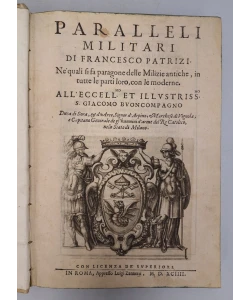
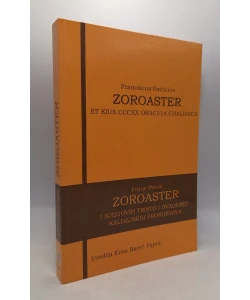
Petrić, Frane (Patritius, Patricius [pa:tri'ci∙us], Patrizzi, Franciscus), Croatian philosopher and polymath (Cres, 25 April 1529 – Rome, 6 February 1597). Son of Stjepan, a Cres city judge, and Maria Lupetina, a cousin of M. Flacius Illyricus. On the basis of the indictment that he was working against the Venetian authorities and was a supporter of Protestants, his father was sentenced to exile from the city and died in exile. Petrić interrupted his education, left Cres in 1538. and went with his uncle on his ship. This began his turbulent life, numerous travels (he participated in the war of the Venetian fleet against the Ottomans commanded by A. Doria, then in military operations near Novigrad) and changes of occupation (he traded in books and cotton, was engaged in publishing – he published the works of Giulio Camillo Delmini and B. Kotruljević). He began his education as a merchant in Venice, but soon went to a private school run by the priest Andrew of Florence. Under the protection of M. Flacius Illyricus, he went to Ingolstadt, where he studied Greek and remained there until Charles V's war against the Protestants; from 1547 he continued his medical studies in Padua, but soon abandoned it and devoted himself to philosophical and mathematical studies. He studied the philosophical and literary texts of ancient writers, especially the philosophy of Plato and Aristotle, and became acquainted with the rich tradition of Peripateticism, the speculative-ideological richness and diversity of the oldest traditions of thought and syncretistic religions, mystical, Chaldean, Arabic and Hebrew traditions, and Egyptian hermetic writings. After his father's death in 1551, he sold medical books, then went to Ancona, and from there on short trips to Venice, Bologna, Verona, Vicenza, Mantua, Modena and Ferrara. He spent some time in Cyprus, where he managed the estate of Count Giorgio Contarini-Zaffo and the Cypriot Archbishop Filippo Mocenigo, engaged in land reclamation work, and traveled to Spain and Italian cities. In 1571, he sold a collection of 75 Greek codices of philosophical, theological, scientific, and musical content, which he had brought from Cyprus, to the Spanish King Philip II for his library in the Escorial (few of them have survived to this day, the rest were destroyed in a fire in 1671). He taught Plato's philosophy in Ferrara until 1592, when, at the invitation of Cardinal Ippolito Aldobrandini, he arrived in Rome and became a professor of Platonic philosophy at the Sapienza, until his death. During his Paduan period, Petrić was a member of the Dalmatian Students' Club, and was also a member of the St. Jerome's Choir and a member of several academies (Accademia della Crusca and Accademia della Fama).
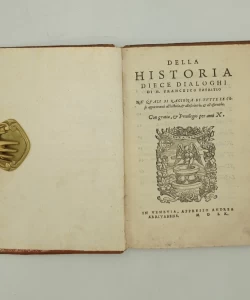
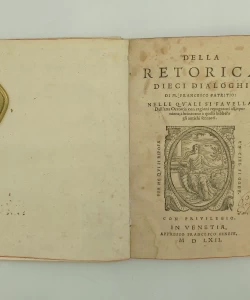
Petrić's work is embedded in the foundations of Croatian and world philosophical and scientific thought. Among his first philosophical and literary writings in Italian, he published the small-scale work The Happy City (La città felice, 1550), written as a guide and model for human happiness. Basing his views on the ontological-epistemological doctrines of Plato and Aristotle, Petrić reshaped them in his conception of an aristocratic state-political order, different from the utopian works of that period. Petrić also left evidence of his versatile interest and broad education in other literary, poetic and music-theoretical analyses, contributing to European spiritual dialogue. During his time in Padua, he wrote a treatise on poetic ecstasies, a commentary on one of Petrarch's sonnets, and a poem by Luca Contile, to which he contributed to Renaissance literary theory and criticism, and textual hermeneutics in the spirit of the Petrarchist literary fashion. These commentaries and some dialogues (on the kiss and the philosophy of love) set Petrić's works apart from the body of Platonist-Petrarchist written treatises of the time. Methodologically, historically-critically, polemically and literary-historically, Petrić opposed Aristotle's normative poetics with his own new rules (free choice of content, poetic imagination, fantasy, sublimation, etc.). One of the important roles in the history of European aesthetic-poetic reflection of the Renaissance was played by his polemics conducted around literary genres and types, epic and heroic poetry, T. Tasso and L. Ariosto, etc. In his interpretation of Tasso's poem Liberated Jerusalem, Petrić criticized his poetics and literary theoretical postulates in which he followed Aristotle. Petrić also dealt with the science of language and speech. Reflecting on the relationship between rhetoric and related disciplines, he built a theory of language and the process of understanding, explaining his thesis of perfect rhetoric-anti-rhetoric, based as a philosophical-scientific discipline, according to the model of certain and perfect knowledge of mathematical science. He was also historically and methodically-critically preoccupied with the epistemology of history and historical knowledge. He discussed the nature of history, its truth and objectivity, the role and place of history in human life and social reality. His model of scientific history encompasses not only political, but also general spiritual, economic and cultural history. With his method, understandings and ideas, he influenced some theorists of history (J. Bodin), and some consider him a modern historiographer and an original thinker.
Dodatne informacije
- Autor: Petrić Frane
- Izdavač: Baldini
- Godina izdanja:1587
- Mjesto izdavanja:Ferrara
- Broj stranica:219
- Dimenzije:14x20 cm
- Pismo:Latinica
- Stanje:Odlično
- Uvez:Tvrdi
Recenzije
0 recenzijaNapišite recenziju
Podijelite iskustvo i pomozite drugim čitateljima pri odabiru.
Ovaj artikl još nema recenzija. Budite prvi koji će podijeliti iskustvo.